
Meet Bourbon Coffee: Why This Classic Variety Still Matters
Meet Bourbon Coffee: Why This Classic Variety Still Matters
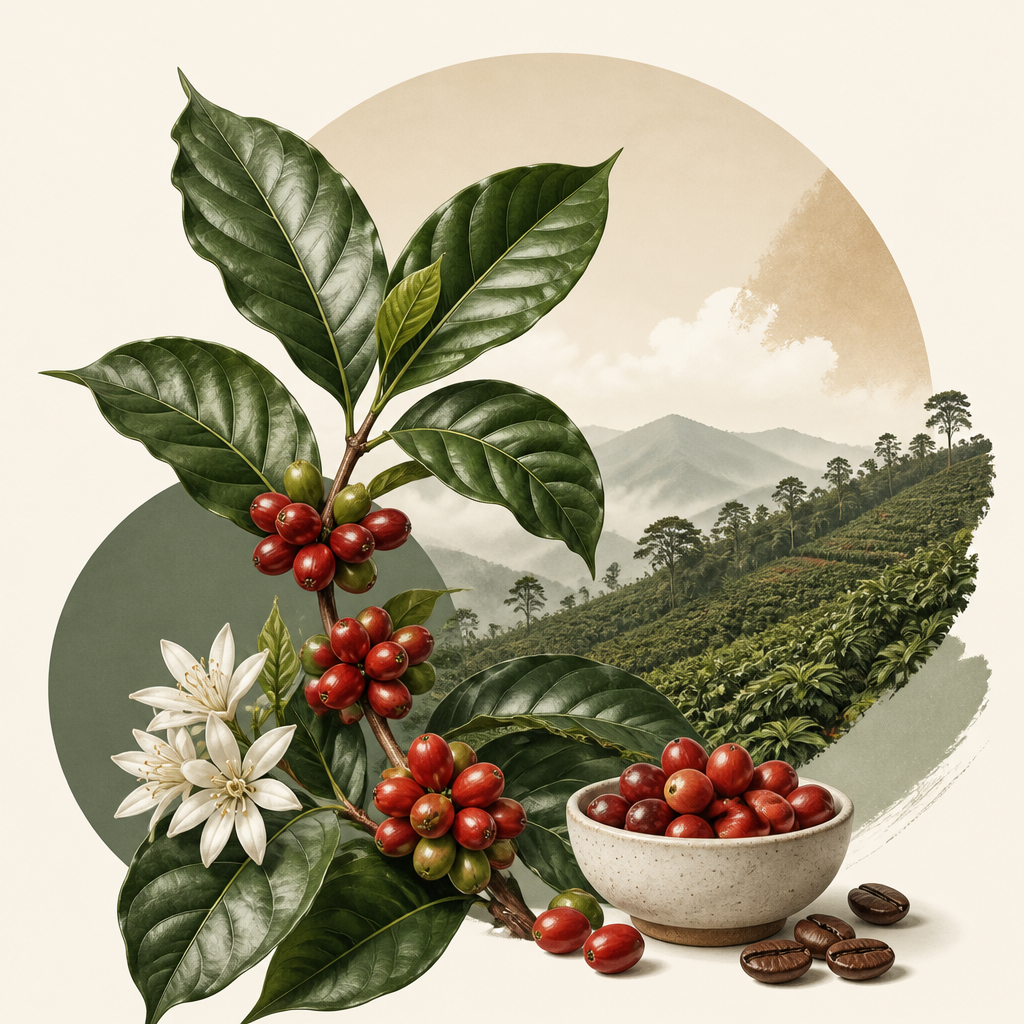
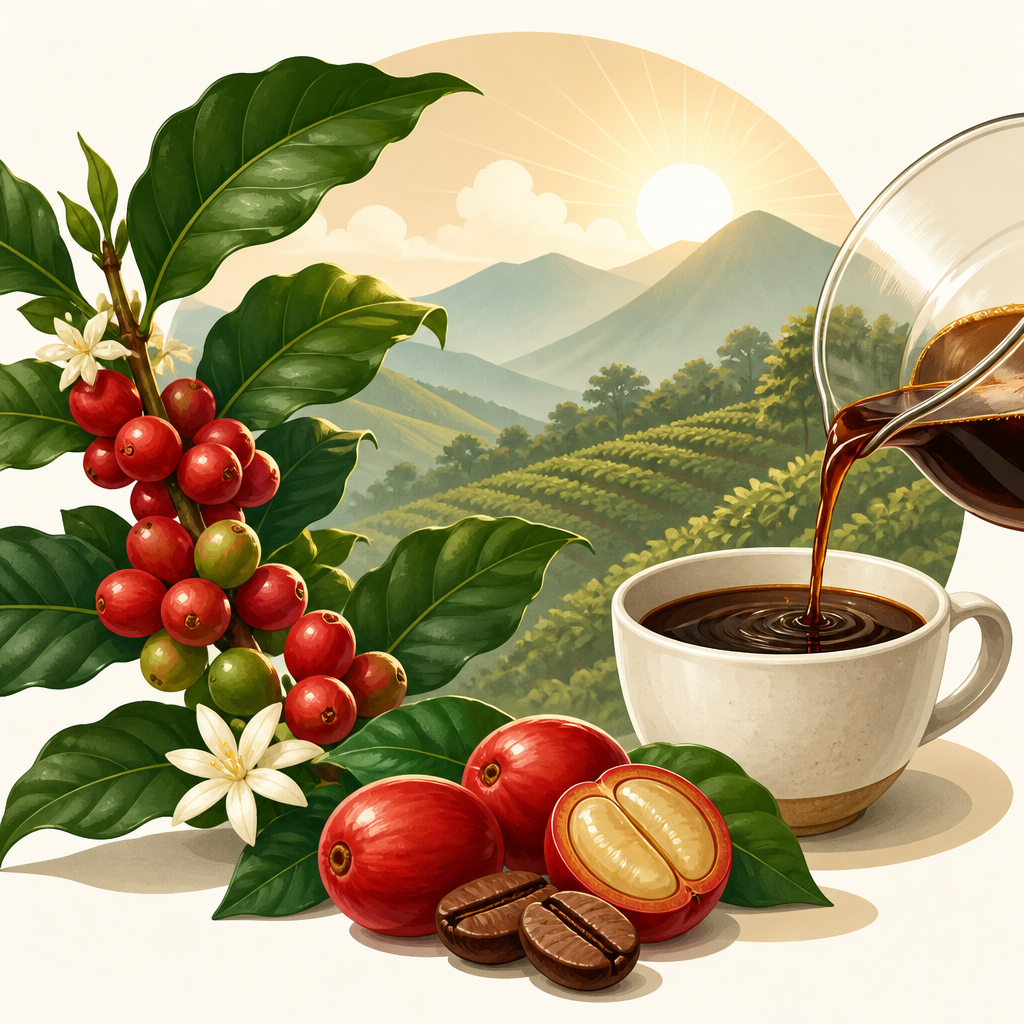
Bourbon coffee beans have a name that can cause a little confusion at first. Despite the spelling, Bourbon is not coffee flavored with whiskey, nor does it have anything to do with bourbon spirits. It is a celebrated variety of Coffea arabica, the species behind many of the world’s most enjoyable specialty coffees.
For coffee lovers, Bourbon is often associated with a cup that feels naturally sweet, balanced and satisfying. Depending on where it is grown and how it is processed, it may bring out notes of caramel, chocolate, berries, citrus or delicate flowers. Its rounded body and gentle acidity make it appealing whether you enjoy a bright pour-over, a comforting French press, or a smooth espresso.
Growers and roasters value Bourbon for a related reason: when it is cultivated with care, it can produce coffee of exceptional quality. The plants tend to thrive in cooler, higher-elevation areas with dependable rain, healthy soil and attentive farm management. They are not always the easiest plants to grow, since they can be more vulnerable to disease than some modern hybrids. Still, many producers consider the extra attention worthwhile because of the flavor potential in the cup.
Bourbon has also played an important role in the history of coffee cultivation. As an old Arabica lineage, it has traveled widely and helped shape coffee production in regions known for outstanding beans.
In the sections ahead, we will explore Bourbon’s story, its recognizable flavor profile and the essentials of cultivating Bourbon coffee beans. You will also learn about the benefits of Bourbon coffee beans and get straightforward tips on how to prepare Bourbon coffee beans at home, so you can make the most of this classic variety.
The Story Behind Bourbon Coffee Beans
The Story Behind Bourbon Coffee Beans
Despite its French-sounding name, Bourbon coffee began its journey with Arabica plants from Yemen. In the early 1700s, French colonists brought these plants to the island then called Bourbon, now Réunion, in the Indian Ocean. Over time, the coffee adapted to the island’s conditions and developed into the distinct Arabica variety now known as Bourbon.
From Réunion, Bourbon traveled widely through colonial trade routes and agricultural exchanges. It reached the Americas during the 19th century and became especially influential in Brazil, Central America and other Latin American growing regions. Many farms valued it for its cup quality, productive potential and relatively compact growth compared with some older Arabica types. Bourbon remains an important genetic parent in the region, even where growers now use newer, more disease-resistant varieties.
The variety also found a home in East Africa, particularly in Rwanda and Burundi. There, high elevations, rich volcanic soils and careful processing can bring out Bourbon’s celebrated sweetness, lively fruit character and clean acidity. In fact, Bourbon is closely associated with many of the memorable coffees produced in these countries.
You may also see several Bourbon names on coffee bags. Red Bourbon is the classic form, named for its ripe red cherries. Yellow Bourbon produces yellow cherries and is especially well known in Brazil, where it can offer a sweet, mellow cup. Pink Bourbon has pinkish cherries and is often linked with exceptional floral and fruity flavors. Its exact genetic background is still debated, and it may not be a simple Bourbon mutation, but it is commonly sold and discussed alongside Bourbon coffees.
These variations show how one historic coffee plant has continued to evolve, travel and delight coffee drinkers around the world.
What Does Bourbon Coffee Taste Like?
What Does Bourbon Coffee Taste Like?
Bourbon coffee is widely loved for a cup that feels sweet, balanced and satisfying from the first sip to the finish. It often has a smooth, rounded body, meaning it feels pleasantly full on the tongue without becoming heavy or harsh. Its acidity is usually bright enough to keep the flavor lively, yet balanced by a gentle sweetness that many people find easy to enjoy.
Common tasting notes can include caramel, brown sugar and chocolate, especially in coffees roasted to a medium level. Depending on where and how the beans were grown, you may also notice red fruit flavors such as cherry, raspberry or plum. Some Bourbon coffees offer citrus-like brightness, perhaps orange or lemon, while high-elevation lots can show delicate floral notes reminiscent of jasmine, tea or orange blossom.
Of course, no two Bourbon coffees taste exactly alike. Growing region, elevation, soil, climate, roast style and processing method all shape the final cup. A washed Bourbon from Colombia or Rwanda may taste clean, crisp and citrusy, with clear floral or fruit notes. A natural-processed Bourbon, where the coffee fruit dries around the bean, can lean toward richer berry sweetness and a more syrupy texture. Honey-processed lots often sit somewhere in between, combining fruitiness with a smooth sweetness.
Compared with Typica, another classic Arabica variety, Bourbon is often described as sweeter and rounder, while Typica can seem lighter, more delicate and more tea-like. Caturra, a compact natural mutation of Bourbon, may share some of Bourbon’s brightness and sweetness, but it can produce a sharper, more direct cup. Bourbon often stands out for its balance: lively but not overly tart, sweet but not flat, and complex without being difficult to drink.
Cultivating Bourbon Coffee Beans: Conditions and Challenges
Cultivating Bourbon Coffee Beans: Conditions and Challenges
Cultivating Bourbon coffee beans takes patience and close attention, but the reward can be exceptional quality. Like many Arabica varieties, Bourbon generally performs best at higher elevations, often between about 1,000 and 2,000 metres above sea level. Cooler mountain conditions help cherries ripen slowly, giving more time for sugars and flavour compounds to develop.
Bourbon plants prefer mild temperatures, roughly 18 to 24°C, along with dependable rainfall and well-draining, nutrient-rich soil. Volcanic soils are especially valued in many famous Bourbon-growing regions, although healthy soil can be built and maintained in many locations through compost, cover crops and careful nutrient management. A dry period before harvest can also support even flowering and ripening, depending on the local climate.
The variety has a challenge, however. Bourbon is admired for cup quality, but it is often less disease-resistant than many modern hybrids. Coffee leaf rust, a fungal disease that damages leaves and weakens plants, can be a serious risk in warm, wet conditions. Growers also need to watch for pests such as the coffee berry borer, as well as other fungal diseases that may affect cherries and foliage.
Good farm management makes a major difference. Regular pruning improves airflow and keeps trees at a manageable height, making harvesting easier. Thoughtful shade management can protect plants from excessive heat while still allowing enough light for healthy cherry development. Farmers also monitor fields frequently for early signs of pests or disease.
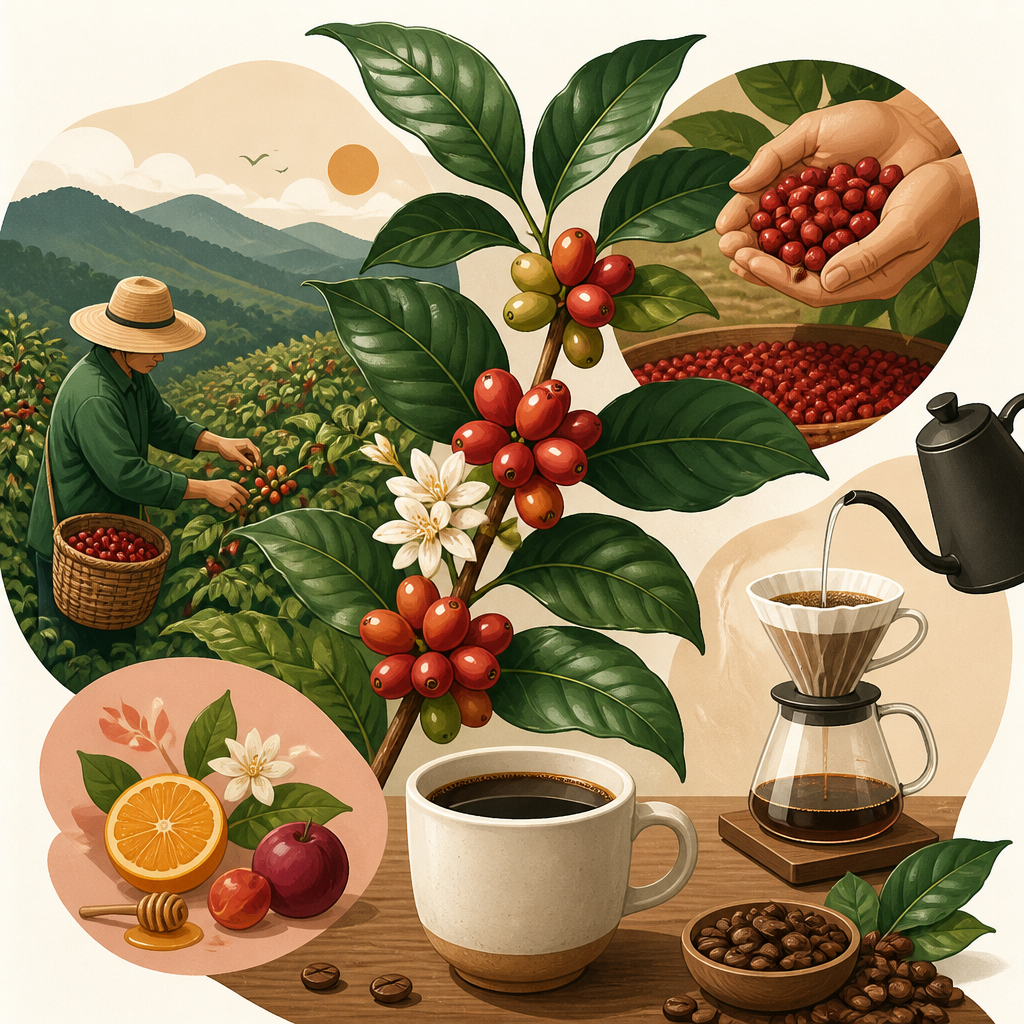
Finally, selective harvesting is particularly important for Bourbon. Ripe cherries are usually picked by hand over several passes, rather than stripping every cherry from a branch at once. This extra effort helps ensure that only fully mature fruit reaches processing, preserving the sweetness and balanced character Bourbon is known for.
From Coffee Cherry to Green Bean
From Coffee Cherry to Green Bean
Once Bourbon cherries reach peak ripeness, timing matters. The fruit is commonly harvested by hand, with pickers making several passes through the same plants as cherries ripen. This selective approach costs more than mechanical or strip harvesting, but it helps prevent under-ripe, overripe or damaged fruit from lowering the quality of the lot.
After picking, the cherries are processed to remove the fruit and reveal the seeds inside, which become coffee beans after drying and roasting. The chosen method has a noticeable effect on the final cup.
In the washed process, the cherry skin and pulp are removed soon after harvest, and the sticky mucilage is fermented and washed away. Washed Bourbon coffees often taste clean and crisp, with clear acidity, floral notes and a distinct sense of origin.
Natural processing leaves the whole cherry intact while it dries. As the fruit dries around the seed, it can bring out fuller sweetness and fruit-forward flavors, such as berry, jam or chocolate. These coffees may have a heavier body, although careful drying is essential to avoid uneven or fermented flavors.
Honey processing sits between the two. The skin is removed, but some mucilage remains on the bean during drying. Depending on how much is left, honey-processed Bourbon can offer rounded sweetness and fruit character while retaining more clarity than many natural coffees.
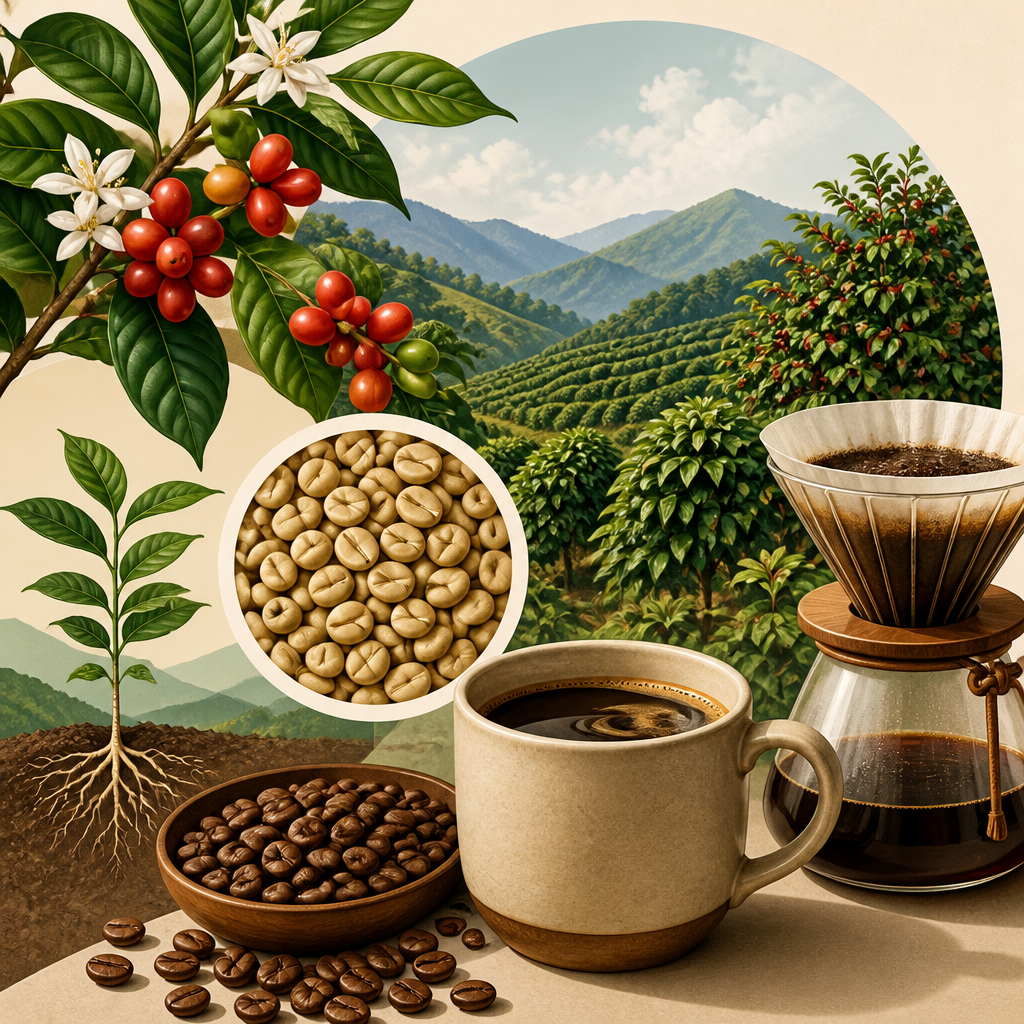
After processing, the beans dry to a stable moisture level, either on raised beds, patios or mechanical dryers. They are then milled to remove their parchment layer, sorted by size and density, and checked for defects. The resulting green coffee is bagged and exported to roasters. Finally, roasting develops the aromas and flavors that make Bourbon coffee ready for your cup.
Benefits of Bourbon Coffee Beans for Coffee Lovers
Benefits of Bourbon Coffee Beans for Coffee Lovers
For coffee drinkers, one of the main benefits of Bourbon coffee beans is their naturally appealing balance. A well-grown Bourbon often combines a rounded body with lively but not overwhelming acidity, making it easy to enjoy black while still offering plenty to explore. Its sweetness can suggest caramel, brown sugar or chocolate, while fruitier lots may bring red berry, stone fruit or gentle citrus notes.
Bourbon also has real potential as an expressive single-origin coffee. Because the variety can reflect its growing place so clearly, a Bourbon from Guatemala may taste quite different from one grown in Rwanda, Colombia or Brazil. Soil, elevation, climate and processing method all leave their mark. This gives curious drinkers a rewarding way to compare regions and discover the styles they prefer.
Specialty roasters often seek Bourbon lots because the variety has a strong reputation for cup quality when it is carefully cultivated, selectively harvested and properly processed. The beans can develop impressive sweetness and clarity, giving roasters a useful foundation for highlighting a farm’s character. That does not mean every Bourbon coffee tastes the same or is automatically exceptional, but careful production can make its quality potential shine.
Beyond variety-specific flavor, brewed Bourbon coffee offers the familiar pleasures associated with coffee in general: a comforting aroma, a satisfying daily ritual and a moderate caffeine lift. Caffeine affects people differently, so it is sensible to enjoy coffee in amounts that suit your own needs. For many people, though, the greatest benefit is simple: Bourbon can turn an ordinary coffee break into a more flavorful, memorable cup.
How to Prepare Bourbon Coffee Beans at Home
How to Prepare Bourbon Coffee Beans at Home
Wondering how to prepare Bourbon coffee beans? Start with freshly roasted whole beans, clean filtered water and a burr grinder. Bourbon’s sweetness and balanced acidity are easiest to notice when the coffee is ground just before brewing. Check the roast date when you buy: beans are often especially enjoyable from a few days after roasting through the following several weeks.
Match the grind to your brewing method. Use a medium grind for a standard drip coffee maker, a medium-fine grind for pour-over and a coarse grind for French press. Espresso needs a fine grind, adjusted to suit your machine. A burr grinder is useful because it produces more even particles than a blade grinder, helping the cup taste clearer and more balanced.
A simple starting ratio is 1 gram of coffee for every 16 grams of water. In everyday terms, that is about 15 grams of coffee, or roughly 2 heaped tablespoons, for 240 ml or 8 ounces of water. Adjust from there: use a little more coffee for a fuller, stronger cup, or slightly more water for a lighter one.
For pour-over, slowly pour hot water, just off the boil, over the grounds in stages. Let the coffee bloom for about 30 seconds first, then continue pouring for a clean, bright cup. For French press, steep coarse grounds for about four minutes before pressing gently. For espresso, aim for a balanced shot with a steady flow, then fine-tune the grind if it runs too quickly or slowly.
Try Bourbon coffee black first. Its caramel-like sweetness, fruit notes and soft body may need no additions. If you prefer milk, add a small amount after tasting it plain, so the coffee’s character still comes through.
Choosing, Storing and Enjoying Bourbon Coffee
Choosing, Storing and Enjoying Bourbon Coffee
When buying Bourbon coffee, a little label reading can make a real difference. Start with the roast date, rather than relying only on a best-by date. Whole beans are often at their most lively after a short resting period and within several weeks of roasting, though the ideal window varies by roast style and packaging.
Origin details also offer useful clues. A Bourbon from Rwanda may show bright berry or tea-like notes, while one from Colombia might lean toward caramel, citrus and chocolate. Look for information about elevation, farm or cooperative, and the processing method. Washed Bourbon coffees often taste clean and crisp, natural-process lots can be fruitier and fuller, and honey-process coffees may land somewhere in between with extra sweetness and a smooth texture. Tasting notes are not guarantees, but they are helpful signposts when choosing a bag.
Once home, keep the beans in an airtight container at room temperature, away from sunlight, heat and moisture. A cool cupboard is usually ideal. Avoid storing coffee in the refrigerator, where condensation and food odors can affect the beans. Freezing can work for longer-term storage if beans are tightly sealed in small portions, but for a bag you use daily, a cupboard is simpler and more reliable.
The most enjoyable way to explore Bourbon is to compare coffees rather than expecting every bag to taste the same. Try different countries, roast levels and processing styles, then note which flavors you prefer. You may find yourself drawn to a bright washed Bourbon in the morning or a rich natural Bourbon after dinner.
The key takeaway: buy fresh, store simply, and taste Bourbon coffees from several origins and processes to find the cup that feels most like yours.