

1. Meet Gesha Coffee: A Bean With a Big Reputation
Meet Gesha Coffee: A Bean With a Big Reputation
Imagine lifting a cup of coffee and catching the scent of jasmine, orange blossom or bergamot before you take the first sip. Then imagine a flavor that feels more like a fragrant tea or a ripe peach than the heavy, roasty coffee you may expect. That is the appeal of Gesha coffee, also commonly called Geisha coffee, one of the most talked-about and sought-after coffees in the specialty world.
Despite the name, Gesha is not a brewing method, a coffeehouse drink or a flavored blend. It is a coffee variety, meaning a particular type of coffee plant with its own growing habits and potential flavor characteristics. When it is grown in the right place and handled carefully from harvest to roasting, it can produce a remarkably distinctive cup.
Gesha has earned its reputation for expressive floral aromas, a delicate tea-like texture, bright fruit notes and exceptional clarity. Depending on where and how it was produced, you might notice hints of jasmine, honey, citrus, peach or tropical fruit. The flavors can seem light at first, but they are often layered, elegant and surprisingly memorable.
Of course, not every Gesha tastes exactly the same. A coffee’s country of origin, farm, elevation, processing method, roast and freshness all shape what reaches your cup. That variety is part of the fun, but it also helps explain why Gesha can range from an approachable café pour-over to a rare auction coffee with a striking price tag.
In the sections ahead, we will explore where this celebrated variety came from, why its cultivation is so demanding, what it tastes like, and how to prepare Gesha / Geisha coffee beans to highlight their delicate character. We will also look at the benefits of Gesha/Geisha coffee beans, along with practical advice for choosing a bag worth trying.
2. Gesha or Geisha: What Is the Correct Name?
Gesha or Geisha: What Is the Correct Name?
Both Gesha and Geisha appear on coffee bags, café menus and competition scorecards, and in most cases they refer to the same celebrated coffee variety. If you are unsure which spelling to use, Gesha is generally considered closer to the name of the Ethiopian area associated with the variety, near the Gori Gesha forest.
So where did “Geisha” come from? As the coffee moved through research programs and later gained a foothold in Central America, the spelling shifted in some records and commercial use. “Geisha” became especially familiar to international coffee drinkers after Panama Gesha attracted major attention in specialty-coffee competitions during the early 2000s. It was memorable, easy to market and quickly became the name many buyers recognized.
Today, neither term on its own tells you everything about what is in the cup. A bag labeled Panama Geisha and one labeled Ethiopian Gesha may share the same broad variety, yet taste strikingly different. Growing altitude, local climate, soil, farm practices, roast style and processing all shape the final result.
For example, a washed Gesha may lean toward crisp jasmine, citrus and black-tea-like elegance. A natural-processed Geisha from another producer may be sweeter, fuller and more expressive, with berry or tropical-fruit notes. Even coffees from neighboring farms can differ considerably.
The useful takeaway is simple: do not worry too much about the spelling. Instead, look beyond the name for details such as country of origin, farm or producer, elevation, harvest date and processing method. Those clues will give you a much better sense of the particular Gesha or Geisha experience waiting in your cup.
3. From Ethiopia to Panama: The Story Behind the Bean
From Ethiopia to Panama: The Story Behind the Bean
Despite its close association with Panama today, Gesha’s story begins in Ethiopia. In the 1930s, coffee plants were collected near the Gori Gesha forest area in southwestern Ethiopia, a region whose name is generally considered the source of “Gesha.” From there, the variety entered coffee research programs, first in East Africa and later farther afield.
Researchers valued coffee varieties that might perform well in different climates and, in some cases, offer resistance to disease. Gesha plants traveled through research stations in places including Tanzania and Costa Rica before making their way into Central American coffee-growing regions. For years, however, the variety was not especially famous. It was grown in small amounts and was not widely recognized for the remarkable cup quality it could produce under the right conditions.
That changed in Panama. Hacienda La Esmeralda, a family-owned estate in Boquete, began cultivating Gesha at high elevations on the slopes of Volcán Barú. In the early 2000s, its Gesha lots achieved striking results in major coffee competitions and auctions. Buyers and judges were captivated by their intensely floral aroma, sparkling fruit character and unusually elegant, tea-like structure. Panama Gesha quickly became one of specialty coffee’s most sought-after names.
Its success also encouraged growers elsewhere to experiment with the variety. Today, Gesha is cultivated not only in Panama and Ethiopia, but also in Colombia, Costa Rica, Guatemala and Ecuador, among other coffee-producing countries. Each origin brings its own growing conditions, soils and processing traditions, so a Colombian Gesha may taste quite different from a Panamanian or Ethiopian one.
That journey, from a forest collection in Ethiopia to celebrated farms around the world, helps explain why Gesha is both a historic variety and a continuing source of excitement for coffee lovers.
4. Cultivation of Gesha / Geisha Coffee Beans
4. Cultivation of Gesha / Geisha Coffee Beans
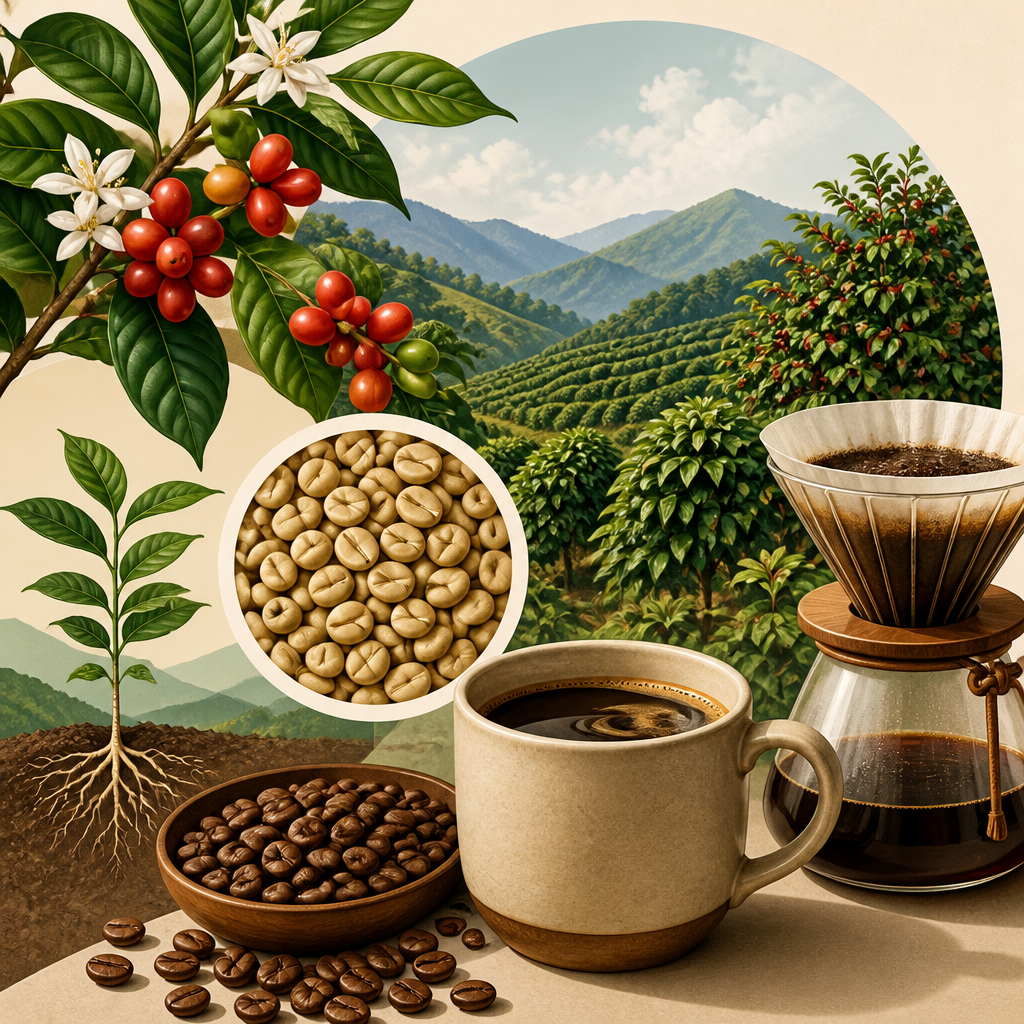
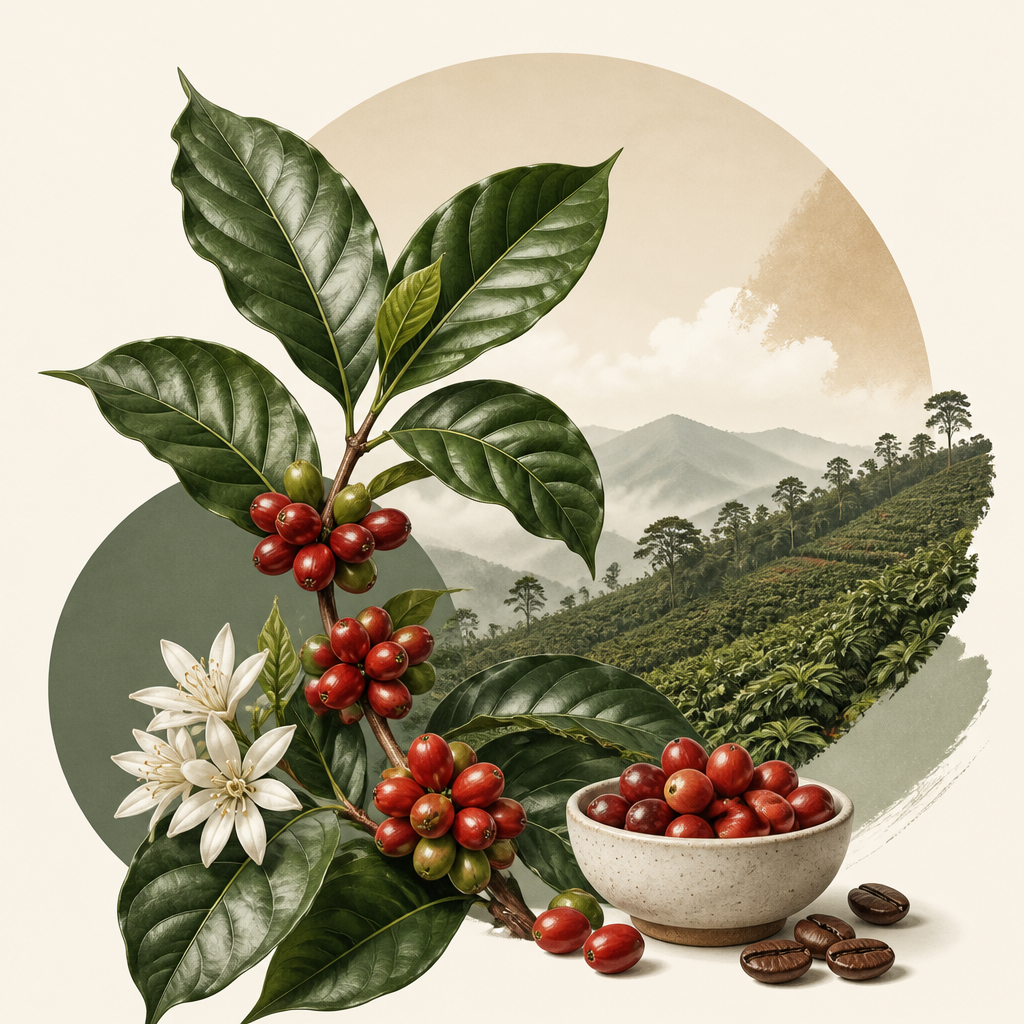
The cultivation of Gesha / Geisha coffee beans is demanding, which is one reason these coffees are relatively scarce and often expensive. While Gesha can grow in different coffee-producing regions, it tends to show its most celebrated qualities at high elevations, where cooler temperatures slow the development of the coffee cherries. Farms in these conditions may be located well above 1,500 meters, although the ideal altitude varies with latitude and local climate.
Gesha plants are also not the easiest coffee trees to manage. They often grow tall, with long, somewhat delicate branches, and they can produce fewer cherries than high-yielding commercial varieties. That lower productivity means a farmer may harvest less coffee from the same amount of land. Pruning, nutrition, pest management and careful spacing all matter if growers want healthy plants and consistently high-quality fruit.
Soil and weather play equally important roles. Rich, well-drained soils help support the trees, while dependable rainfall is needed for flowering and fruit development. Shade management can protect plants from excessive heat and help create a more stable growing environment. When cherries mature slowly, they have more time to develop the sugars and aromatic compounds that later contribute to Gesha’s floral, fruity character.
Harvesting is especially exacting. Workers often hand-pick only fully ripe, red cherries, returning to the same trees several times as fruit matures at different rates. After picking, producers must also process the cherries with care, whether using washed, natural or honey methods. Small mistakes can hide the variety’s delicate character.
Limited yields, hands-on farm work and selective processing all add cost. In the best lots, that extra effort is reflected in a cup that tastes unusually clear, fragrant and complex.
5. What Does Gesha Coffee Taste Like?
5. What Does Gesha Coffee Taste Like?
Gesha coffee is famous for tasting unlike the rich, roasty coffee many people expect. Instead of dark chocolate, smoke or heavy bitterness, a great Gesha often feels light, fragrant and vividly expressive. Its aroma can recall jasmine, orange blossom and bergamot, the citrusy floral note many people recognize from Earl Grey tea.
In the cup, you may notice peach, ripe citrus, tropical fruit or delicate honey-like sweetness. The body is often silky and tea-like rather than thick or creamy, while the finish tends to be clean and lingering. A well-prepared Gesha can seem almost perfume-like at first, then reveal new fruit and floral notes as it cools.
Processing has a major influence on the final flavor. Washed Geshas, where fruit is removed before the beans are dried, are usually crisp, elegant and highly floral. They often highlight bright acidity and a refined, clear structure. Natural Geshas, dried inside the coffee cherry, can be fruitier, sweeter and more wine-like, with flavors that suggest berries, mango or tropical candy. Honey-processed lots often sit somewhere between the two, combining sweetness and fruit with good clarity.
Of course, no two Geshas taste exactly alike. The farm, country of origin, elevation, soil, roast level, processing method and freshness all matter. A Panama Gesha may lean intensely floral and citrusy, while one from Colombia, Costa Rica or Ethiopia may show a different balance of fruit, sweetness and acidity.
Coffee professionals value Gesha for its pronounced aroma, layered acidity and remarkably clean finish. For newcomers, it is best approached as a tasting experience, not as a substitute for a bold dark roast. Sip slowly, especially as the cup cools, and let its subtle character unfold.
6. How to Prepare Gesha / Geisha Coffee Beans
How to Prepare Gesha / Geisha Coffee Beans
Knowing how to prepare Gesha / Geisha coffee beans starts with a gentle approach. These coffees are prized for delicate floral aromas and clear fruit notes, so very dark roasting, overly hot water or an overly fine grind can hide what makes them special. Begin with freshly roasted whole beans, ideally rested for several days after roasting, and grind them just before brewing with a burr grinder for a more even extraction.
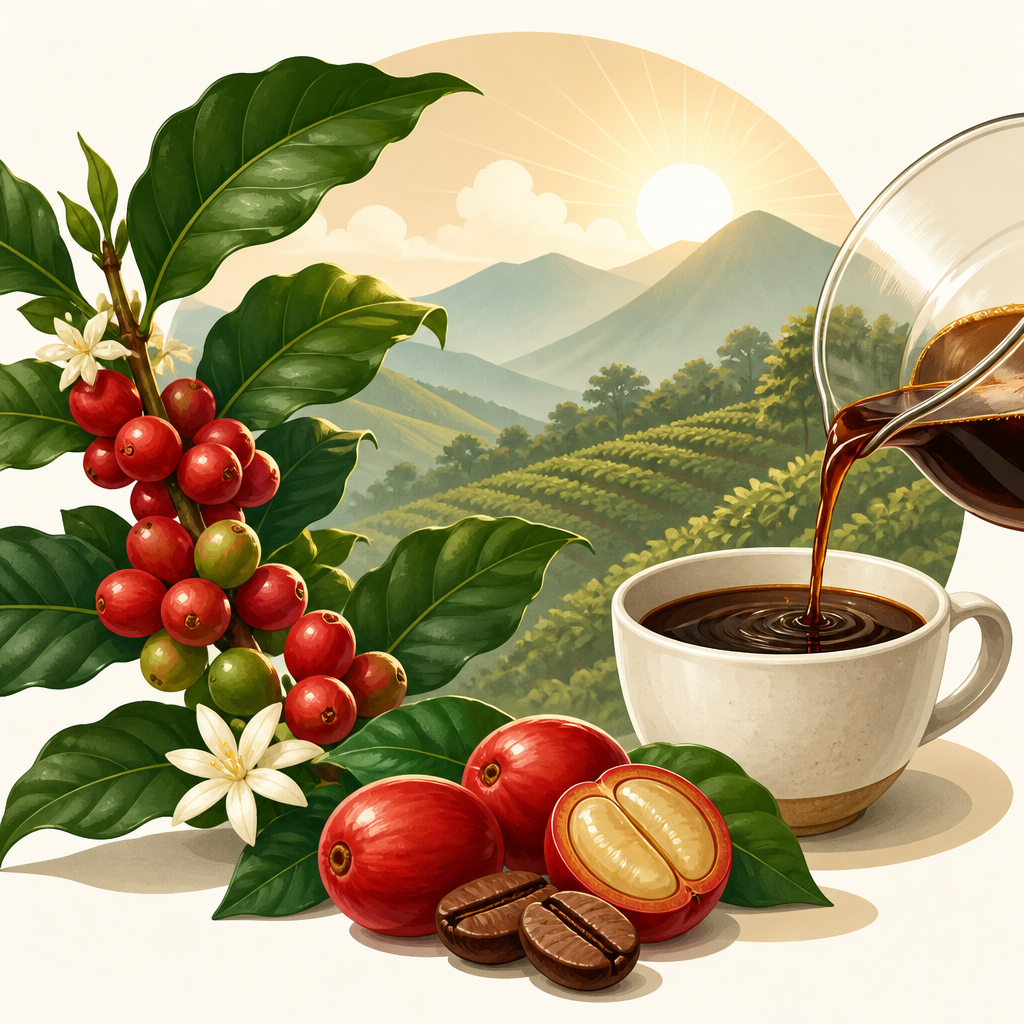
Filter brewing is often the best place to start. A V60, Kalita Wave, Chemex or quality batch brewer can highlight Gesha’s jasmine-like fragrance, tea-like body and bright, clean finish. Pour-over methods also make it easier to notice the differences between a crisp washed Gesha and a sweeter natural or honey-processed lot.
For a straightforward recipe, use 1 gram of coffee for every 15 to 17 grams of water. For example, try 20 grams of ground coffee with 320 grams of water. Use water just off the boil, around 90 to 96°C, and start with a medium-fine grind for most pour-over brewers. A total brew time of roughly 2.5 to 4 minutes is a useful target, although the right timing depends on the brewer, grind and coffee itself.
If the cup tastes sharp or thin, try a slightly finer grind, a little more coffee or hotter water. If it tastes bitter, dry or muddled, grind a touch coarser or shorten the brew.
Espresso can also be excellent, particularly with sweeter natural or honey-processed Geshas. It may take patience to dial in, however, since the variety’s bright acidity can become intense when concentrated. Finally, do not rush the tasting. Gesha often becomes more expressive as it cools, revealing extra floral, peach, citrus or tropical-fruit notes.
7. Benefits of Gesha/Geisha Coffee Beans and What Makes Them Worth Trying
Benefits of Gesha/Geisha Coffee Beans and What Makes Them Worth Trying
The main benefits of Gesha/Geisha coffee beans are found in the cup. A well-grown, carefully processed Gesha can offer an aroma unlike that of most coffees, often recalling jasmine, orange blossom, bergamot or sweet herbs. Its flavors can feel especially layered, moving from bright citrus and ripe peach to honey, tea and tropical fruit as the coffee cools. For coffee lovers, that refined clarity is the real appeal: individual notes are easier to notice, rather than being hidden beneath heavy roast flavors or bitterness.
Like other coffee varieties, Gesha contains caffeine and naturally occurring antioxidant compounds. It can provide the familiar lift of a morning coffee, but it is best enjoyed as a beverage, not viewed as a health remedy. Caffeine content can vary with serving size, brew method and the coffee itself, so anyone sensitive to caffeine should treat it much like any other specialty coffee.
Another advantage of specialty Gesha is traceability. Many roasters share details such as the producing farm, country, elevation, harvest period and processing method. That information gives drinkers a clearer connection to what is in the cup and helps explain why one Gesha tastes delicate and floral while another is juicy, sweet and fruit-forward.
Buying carefully sourced Gesha can also support producers who put substantial skill and labor into selective picking, processing and quality control. These coffees are often expensive for good reason, but that does not mean every bag needs to be a major purchase.
If you are curious, start small. Try a café pour-over, buy a small bag of freshly roasted beans or order a tasting flight alongside other coffees. This makes it easier to decide whether Gesha’s distinctive character feels worth the premium to you.
8. Is Gesha Coffee Worth the Hype?
Is Gesha Coffee Worth the Hype?
For many coffee lovers, the answer is yes, as long as the expectation is not simply “better coffee” in a broad sense. Gesha is a distinctive coffee variety with the potential to taste genuinely unlike the chocolatey, nutty or deeply roasted profiles many people know best. At its best, it can feel closer to a fragrant tea or a fine fruit infusion, with jasmine-like florals, bright citrus, stone fruit sweetness and remarkable clarity.
Its price reflects more than a famous name. Gesha has Ethiopian roots, but it became internationally celebrated through exceptional lots from Panama and coffee competitions. The plants can be demanding to grow, often perform best in carefully managed high-altitude conditions and may produce lower yields than more common varieties. Add selective hand-picking and precise processing, and the limited supply begins to make sense.
Still, not every coffee labeled Gesha or Geisha will deliver the same experience. Origin, farm, elevation, processing method, roast level and freshness all matter. Look for a fresh roast from a transparent seller that shares details such as the producer, region and process. A washed Gesha can be a wonderful choice for crisp florals and citrus, while natural or honey-processed versions may offer a sweeter, fruit-forward cup.
Brew it gently with a filter method, use good water and avoid an overly dark roast or aggressive recipe that could hide its delicate character. Take time to taste it as it cools, too.
The clear takeaway: Gesha is worth trying not because it is rare or expensive, but because a well-grown and carefully brewed cup can turn coffee into a memorable tasting experience, whether it becomes your favorite or an occasional treat.