
Meet Typica, One of Coffee’s Original Stars
Meet Typica, One of Coffee’s Original Stars
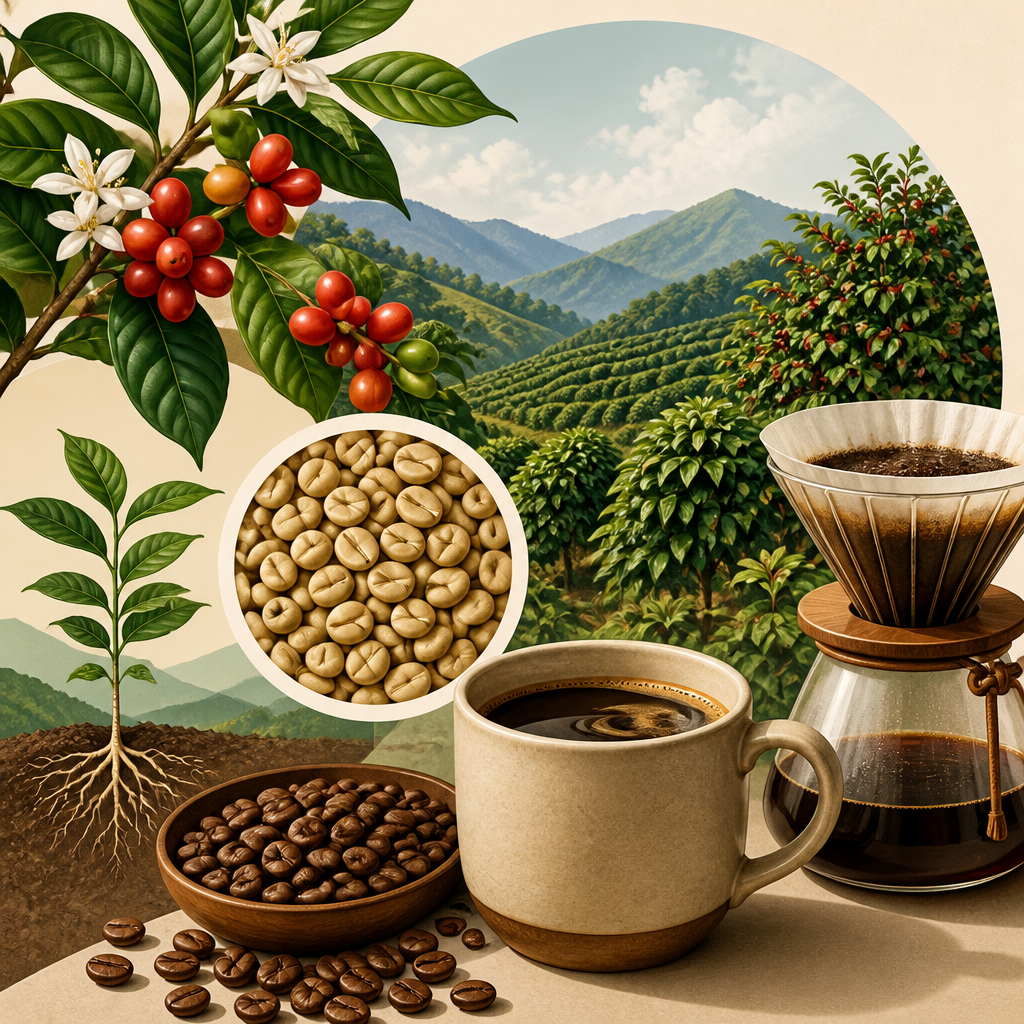
Before coffee became a world of experimental fermentations, rare micro-lots and endlessly varied menu descriptions, there was Typica. This classic Arabica coffee variety sits near the roots of modern coffee history, and its influence can still be found in farms and cups around the world.
Typica is one of the oldest and most important cultivated forms of Coffea arabica. Coffee plants traced from early Arabica cultivation spread from Ethiopia through Yemen and eventually into tropical growing regions across the globe. Along the way, Typica became a foundation for coffee production in places such as the Caribbean, Central and South America, and parts of Asia. Many later varieties are related to it, either directly or through the breeding work that followed its global journey.
That history explains why the name Typica appears so often. Farmers may use it to identify a traditional, quality-focused plant on their land. Roasters and specialty cafés may list it on menus because variety can offer useful clues about a coffee’s character. For curious drinkers, seeing “Typica” on a bag is an invitation to look beyond country of origin and discover another part of the story behind the beans.
Typica is not always the easiest coffee to grow or the most productive. Its plants tend to yield less than some modern alternatives, and they can be vulnerable to disease. Yet growers, roasters and buyers continue to value it for its respected cup quality, genetic importance and long-standing connection to coffee culture.
In the sections ahead, we will explore what makes Typica physically distinct, the flavors it can offer, and the conditions needed for Cultivating Typica coffee beans successfully. We will also look at How to process Typica coffee beans, from ripe cherry to export-ready green coffee, as well as the practical Benefits of Typica coffee beans for both producers and everyday coffee drinkers.
What Makes Typica Coffee Beans Different?
What Makes Typica Coffee Beans Different?
Typica is easy to recognize in the field, at least compared with many compact, high-yielding coffee varieties. Its plants tend to grow tall, often reaching several meters if they are not carefully pruned. They develop long, somewhat spreading branches with wider spacing between the nodes where leaves and cherries grow. The leaves are usually thin, broad, and an attractive light-to-medium green, while the coffee beans themselves are often longer and more elongated than those of many other Arabica types.
These physical traits reflect Typica’s place near the heart of the Arabica family tree. It is one of the foundational Arabica varieties, alongside Bourbon, from which many later cultivars and regional selections have developed. Over generations, growers and breeders have selected coffee plants for qualities such as disease resistance, shorter stature, or heavier production. Even so, Typica remains an important reference point because its genetics helped shape much of the coffee grown and enjoyed around the world today.
Its reputation rests largely on cup quality. When it is grown in suitable conditions and handled with care, Typica can produce a sweet, clean, elegant coffee with good balance and pleasing complexity. That quality has kept it relevant on specialty coffee menus, despite a significant drawback: Typica is not especially productive. Its tall structure can make harvesting more labor-intensive, and it generally produces fewer cherries than modern, high-yield varieties.
For farmers, that means Typica is rarely the easiest choice for maximizing volume. Yet its distinctive plant character, historical value, and potential for excellent flavor can make it worthwhile where buyers recognize and reward quality.
The Flavor Profile of Typica Coffee
The Flavor Profile of Typica Coffee
When Typica is grown carefully and roasted with restraint, it is often prized for a cup that feels clean, sweet, and beautifully balanced. Rather than overwhelming the palate with one bold characteristic, a good Typica coffee tends to bring together gentle acidity, rounded sweetness, and a smooth finish. This approachable balance is one reason the variety remains appealing to both longtime coffee drinkers and people beginning to explore specialty coffee.
Its specific flavors vary widely by origin, harvest conditions, and roast level. Many Typica coffees show familiar notes of chocolate, caramel, or brown sugar, especially at medium roasts. Coffees grown at higher elevations may offer brighter citrus qualities, such as orange, lemon, or mandarin, alongside tea-like clarity. In exceptional lots, drinkers may also notice delicate floral aromas, soft stone fruit, berry-like sweetness, or a gentle ripe-fruit character.
Growing environment has a major influence on the final cup. At higher altitudes, cooler temperatures slow cherry development, often allowing sugars and acids to build more gradually. This can create greater complexity and a livelier, more refined acidity. Healthy, well-drained soils can support sweetness and structure, while local climate, rainfall patterns, and shade all affect how evenly cherries ripen.
Processing adds another important layer. Washed Typica coffees often highlight the variety’s clean profile, crisp acidity, and floral or citrus notes. Natural processing can produce more body and fruit sweetness, sometimes suggesting berries or dried fruit. Honey processing may sit between the two, combining clarity with a fuller, caramel-like sweetness. The result is not one fixed Typica flavor, but a consistently elegant foundation shaped by place and craft.
Cultivating Typica Coffee Beans Successfully
Cultivating Typica Coffee Beans Successfully
Cultivating Typica coffee beans calls for patient farm management and a suitable environment. Like other Arabica coffees, Typica thrives in tropical regions with moderate temperatures, generally around 18 to 24°C (64 to 75°F), dependable rainfall, and fertile, well-drained soil. Coffee roots need moisture, but they do not tolerate waterlogged ground, so sloping sites and soils rich in organic matter are often especially useful.
Typica frequently performs well at higher elevations, often from roughly 1,200 to 2,000 meters, depending on latitude and local climate. Cooler conditions at altitude slow the ripening of coffee cherries. This longer development period can help concentrate sugars and support the clean sweetness, acidity, and layered aromas for which quality Typica is known.
The variety does present challenges. Typica plants are notably tall, with long lateral branches and an open growth habit. They can be harder to harvest and manage than compact modern varieties, while their yields are usually modest. Typica is also susceptible to coffee leaf rust, a fungal disease that can weaken trees and sharply reduce production.
Farmers can reduce these risks through regular monitoring and thoughtful field care. Shade trees may protect coffee from excessive heat and help stabilize moisture, although overly dense shade can limit airflow and encourage disease. Pruning keeps tall plants productive, improves light penetration, and makes cherry picking easier. Balanced nutrition, including organic matter and locally appropriate fertilizer programs, helps trees recover after harvest and produce healthy new growth.
Careful disease monitoring is essential, particularly during wet periods. Removing infected material, maintaining good spacing and airflow, and using locally approved control measures when needed can all support healthier Typica farms. Although it demands more attention than some higher-yielding varieties, Typica can reward skilled growers with exceptional coffee and access to quality-focused markets.
From Cherry to Green Coffee: How to Process Typica Coffee Beans

From Cherry to Green Coffee: How to Process Typica Coffee Beans
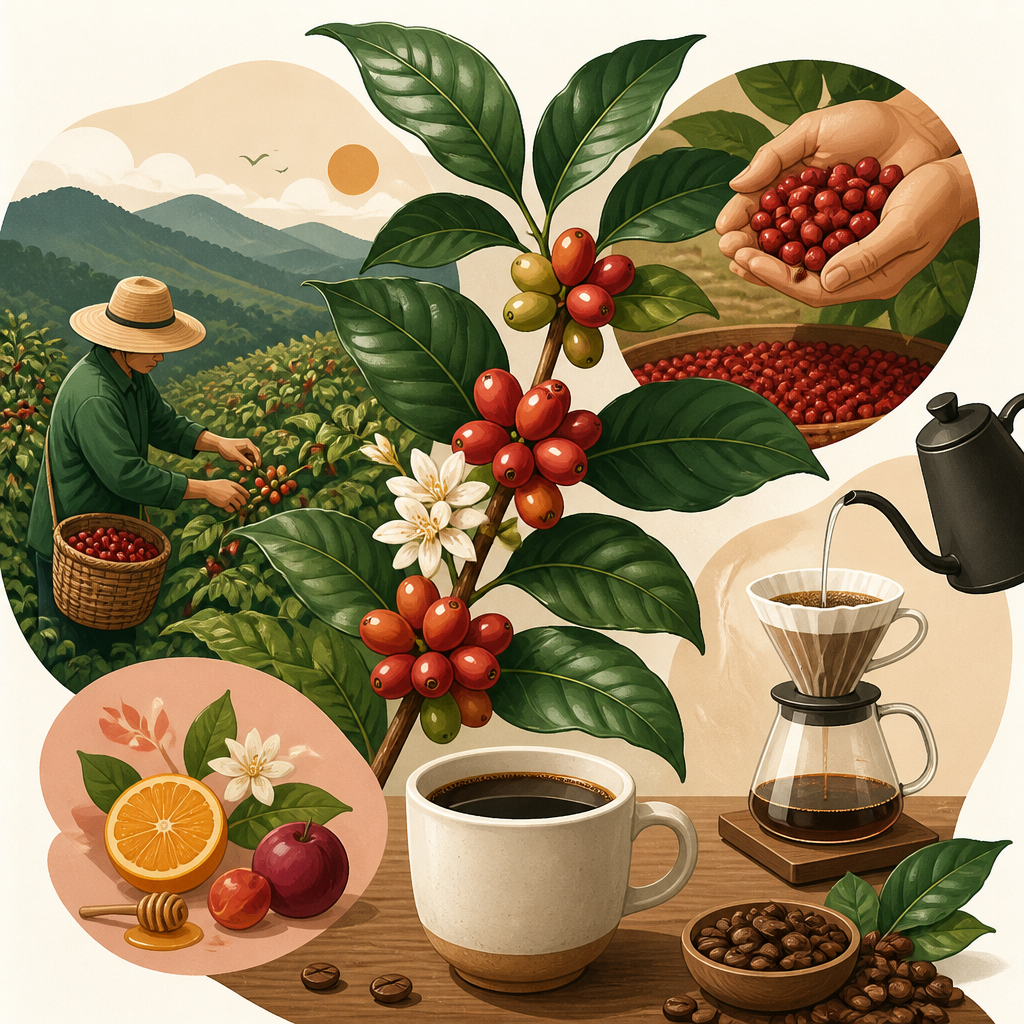
The work does not end when Typica cherries are harvested. Processing has a major influence on how the coffee tastes in the cup, so quality begins with selective picking. Workers should harvest only fully ripe, red cherries whenever possible. Green, underripe cherries can taste grassy or astringent, while overripe fruit may introduce unwanted fermented flavors. Sorting cherries at intake helps create a more even, reliable lot.
There are several common approaches to how to process Typica coffee beans. In washed processing, the fruit skin and pulp are removed soon after harvest, and the beans are fermented or mechanically cleaned to remove their sticky mucilage. The parchment coffee is then dried. This method often emphasizes Typica’s clean sweetness, bright acidity and clear origin character.
With natural processing, whole cherries dry with the fruit still surrounding the seeds. As the cherries slowly dry, they can impart fuller body and richer fruit sweetness to the coffee. Naturals require close attention, however, because cherries must be turned regularly and protected from mold or uneven fermentation.
Honey processing sits between these methods. The skin is removed, but some or all of the mucilage remains on the bean during drying. Depending on how much mucilage is left, honey-processed Typica may offer both washed-coffee clarity and a rounder, sweeter texture.
After any method, careful drying is essential. Coffee must reach a stable moisture level, commonly around 10 to 12 percent, without drying too quickly or too unevenly. The dried parchment is rested, hulled to remove its protective layer, then graded and sorted to remove defective beans. These final steps help ensure that the green Typica coffee arriving at a roastery has the consistency needed to show its best qualities.
Roasting and Brewing Typica at Home
Roasting and Brewing Typica at Home
Typica is often at its most expressive when roasted lightly to a medium level. These roast styles preserve the qualities that make the variety so appealing: gentle sweetness, lively but balanced acidity and delicate aromas that can suggest flowers, citrus, caramel or soft fruit. A light roast may reveal more of a coffee’s origin, especially when the beans were grown at high altitude and carefully processed.
Medium roasting brings a little more body and sweetness while still allowing Typica’s character to come through. It is a good middle ground for drinkers who enjoy a rounded cup without losing all the bright, refined notes. Medium-dark roasts can also work well, drawing out richer chocolate, toasted sugar and nutty flavors. However, very dark roasting can overwhelm the subtle differences created by the farm, elevation and processing method, making an exceptional Typica taste much like any heavily roasted coffee.
Brewing choices can further shape the cup. A pour-over, such as V60 or Chemex, is well suited to washed Typica coffees because it highlights clarity, clean sweetness and aromatic detail. A French press produces a fuller texture and can emphasize the comforting chocolate or fruit notes of natural and honey-processed lots. For espresso, Typica can offer an especially pleasing balance of sweetness, body and mild acidity, whether served on its own or with milk.
Small adjustments make a meaningful difference. Use a finer grind if the brew tastes thin or sour, and a coarser grind if it tastes harsh or bitter. Water just below boiling, roughly 195 to 205°F (90 to 96°C), is a useful starting point. Experiment with your coffee-to-water ratio as well, then let the particular Typica in your cup guide the final recipe.
Benefits of Typica Coffee Beans for Farmers and Drinkers
The benefits of Typica coffee beans begin with cup quality. When it is grown carefully and processed well, Typica is widely valued for its sweetness, balance and clean structure. It can offer chocolate and caramel richness alongside gentle citrus, floral or fruit notes, depending on where it was grown. That quality gives farmers and exporters an opportunity to position exceptional lots in premium specialty markets, where clear variety information and strong traceability can add value.
Typica also matters beyond the individual harvest. As one of coffee’s foundational Arabica varieties, it has played an important role in the development of many later cultivars. Maintaining Typica plantings and preserving its genetic material supports coffee diversity, which is increasingly important as growers and researchers seek plants with better resilience, disease tolerance and cup quality. Breeding programs can learn from older varieties like Typica while working toward coffees suited to changing climates and farming conditions.
For drinkers, Typica is an approachable choice with plenty to explore. Its refined profile tends to work across a range of roasting and brewing styles. A light roast pour-over may highlight floral sweetness and citrus-like clarity, while a medium roast can bring forward a rounder chocolate, nutty or caramel character. It can be enjoyable black, yet it often remains balanced enough for espresso drinks with milk.
There is an important trade-off, however. Typica plants generally produce fewer cherries than many modern varieties, and they can be vulnerable to coffee leaf rust and other pressures. Farmers may need attentive management, from pruning and nutrition to disease monitoring, while accepting a lower yield per hectare. For cultivating Typica coffee beans to remain worthwhile, higher quality must often translate into higher prices. When buyers pay fairly for well-produced Typica, they help support both distinctive coffee and the diversity that keeps the wider coffee world resilient.
Why Typica Still Matters in Modern Coffee

Why Typica Still Matters in Modern Coffee
Typica has earned its lasting place in coffee not because it is the easiest variety to grow, but because it represents so much of what people value in a memorable cup. Its history reaches back through the development of Arabica coffee, and many varieties grown today can trace part of their family story to Typica. For growers, it can offer a path to high-quality specialty markets. For roasters, it provides a versatile bean with enough clarity and sweetness to express both origin and craft. For drinkers, it is often a reliably elegant, approachable coffee.
That enduring appeal also makes Typica worth protecting. In an industry facing disease pressure, changing weather patterns and demand for more resilient crops, genetic diversity matters. Typica’s role in coffee breeding and agricultural history gives it importance beyond any single harvest or roast profile.
When buying Typica coffee, look beyond the variety name on the bag. Check the country and region of origin, since altitude, soil and climate have a major influence on flavor. Processing information is useful too: a washed Typica may offer a crisp, clean profile, while a natural or honey-processed lot may lean toward fuller body and fruitier sweetness. A recent roast date is equally important, especially if you want to enjoy the coffee’s delicate aromatics and balanced acidity at their best.
Typica may produce less than some modern alternatives, but its character continues to justify the care it requires. The clear takeaway is simple: choosing a well-sourced, freshly roasted Typica is a chance to enjoy a refined coffee while connecting with one of the foundational varieties in coffee’s long agricultural history.