
Welcome to the World of Java Coffee
Welcome to the World of Java Coffee
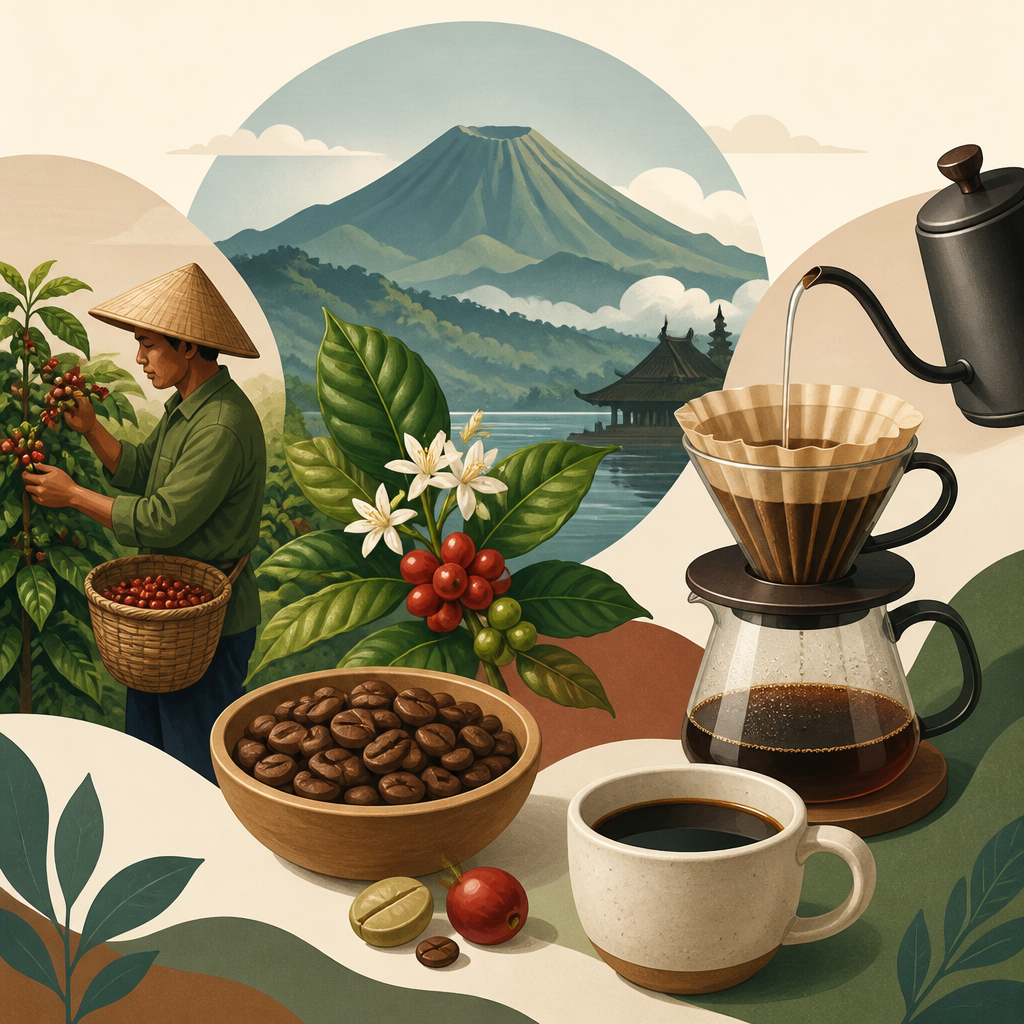
Few coffee names are as familiar as Java. You may have heard someone casually ask for “a cup of Java,” but the phrase points to much more than a simple morning drink. Java coffee beans come from one of the world’s most historically important coffee-growing places: the Indonesian island of Java.
Coffee has been cultivated on Java for centuries, and the island helped introduce Indonesian coffee to drinkers around the globe. Over time, its name became so closely linked with coffee that “Java” entered everyday language as a friendly nickname for a cup of coffee. Today, true Java coffee still has a distinct identity, shaped by the island’s fertile volcanic landscapes, varied elevations and generations of farming knowledge.
Java coffee beans are widely appreciated for their approachable character. Many cups offer a smooth body, balanced flavor and gentle richness that can suit both longtime coffee fans and people beginning to explore specialty coffee. While every bag can taste a little different, Java is often a dependable choice when you want a satisfying, well-rounded brew.
In this guide, you will get to know the story behind Java coffee, from its early origins to the conditions that make the island well suited to coffee farming. We will explore Cultivating Java coffee beans, including the journey from coffee cherry to roasted bean, and look at the flavors you may find in the cup.
You will also discover the Benefits of Java coffee beans, practical tips for choosing fresh beans and clear advice on How to prepare Java coffee beans at home. Whether you prefer a bright pour-over, a comforting French press or a bold espresso, Java offers a flavorful connection to coffee history in every sip.
What Makes Java Coffee Beans Special?
What Makes Java Coffee Beans Special?
Java coffee beans are traditionally grown on the Indonesian island of Java, a place with a remarkable coffee heritage and a landscape well suited to the crop. Much of the island’s best-known coffee comes from elevated areas, where cooler temperatures can help coffee cherries mature more gradually. This slower development often supports greater flavor complexity in the finished bean.
Many Java coffees are Arabica, the species commonly associated with nuanced aroma, gentle sweetness and a refined cup. Arabica grown in Java is often appreciated for its even, approachable character. The island also produces Robusta coffee, which tends to have more caffeine, a stronger taste and a heavier body. Robusta may be used in blends, espresso-style coffees and products where a bolder profile is wanted.
For many drinkers, the appeal of Java lies in its balance. A well-prepared cup often has a smooth, satisfying body without feeling overly heavy, along with low to moderate acidity. Rather than leaning sharply fruity or intensely bitter, Java coffee can offer rounded flavors that feel familiar and easy to enjoy. Notes of cocoa, toasted nuts, caramel or mild spice are common, depending on the specific growing area, processing style and roast.
Java also has a long-standing reputation for dependable quality. Of course, individual coffees vary, but careful farming, sorting and roasting can produce consistently enjoyable results. This makes Java a welcoming choice for people new to single-origin coffee, while still offering enough character to interest experienced coffee lovers.
The History Behind the Name Java
The History Behind the Name Java
Coffee’s connection to Java reaches back to the late 1600s, during the Dutch colonial period. The Dutch introduced coffee plants to the island, first as an agricultural experiment and later as a major export crop. Java’s fertile volcanic landscapes, suitable elevations and tropical climate helped the plants flourish.
By the 1700s, Java had become one of the world’s important coffee-producing regions. Beans grown on the island were shipped abroad in large quantities, particularly to Europe, where coffee drinking was becoming increasingly popular. Because so much coffee passed through trade routes associated with the island, the name “Java” gradually became closely linked with coffee itself.
That history is why people sometimes casually call a coffee “a cup of Java.” The phrase does not always mean the beans were actually grown on Java today. Instead, it reflects the island’s lasting role in bringing coffee to a wider global audience.
Modern Java coffee carries this legacy forward, although farming and processing have changed considerably over the centuries. Many producers now focus on more selective harvesting, improved drying methods and careful sorting to protect bean quality. Farmers and roasters may also use different processing approaches to highlight particular flavors, from clean and balanced chocolate notes to deeper, earthier profiles.
The story behind the name is therefore more than a fun coffee expression. It is a reminder that every cup has ties to long-standing farming traditions, international trade and the ongoing work of growers who continue to shape Java coffee today.
Cultivating Java Coffee Beans
Cultivating Java Coffee Beans
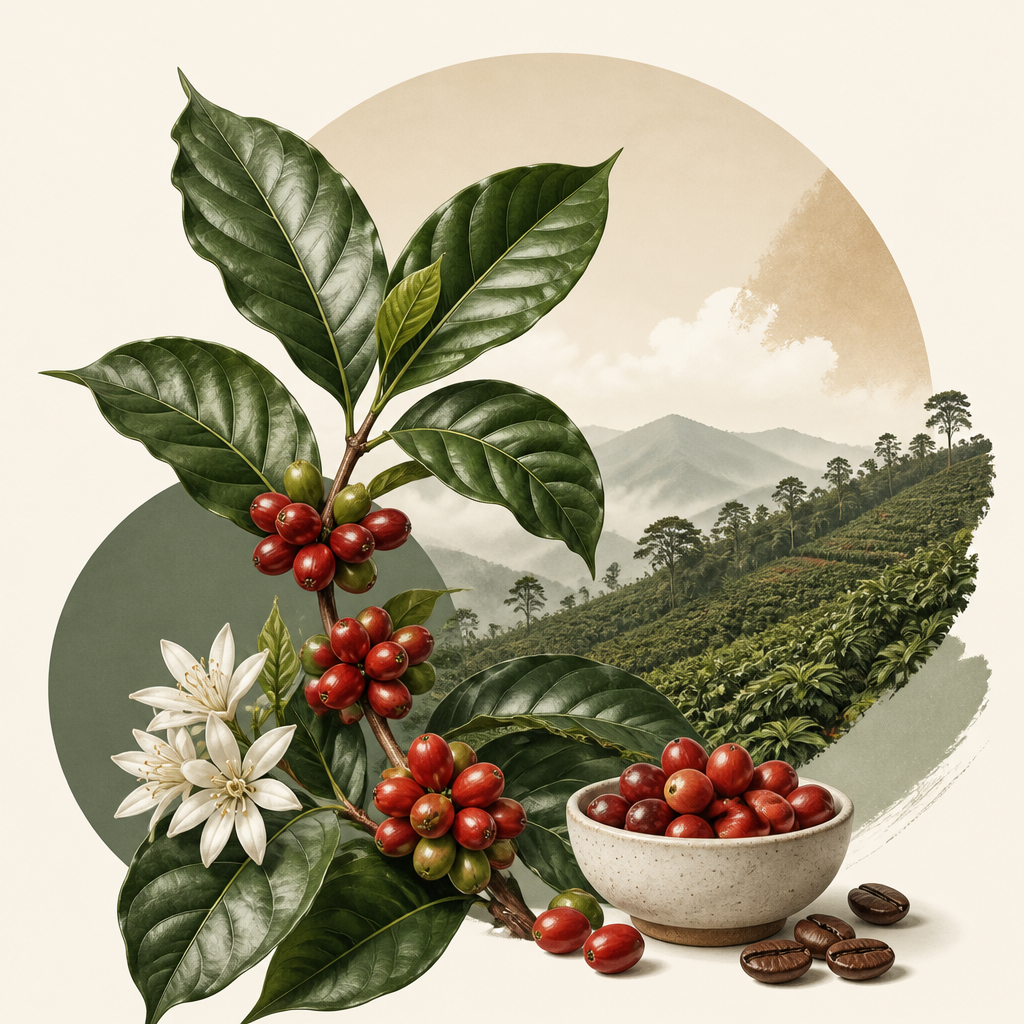
Java’s landscape gives coffee growers a strong foundation. Many coffee farms sit in higher-elevation areas where cooler nights can help coffee cherries develop more slowly and evenly. Combined with warm tropical temperatures, seasonal rainfall and nutrient-rich volcanic soils, these conditions can support healthy coffee trees and flavorful beans.
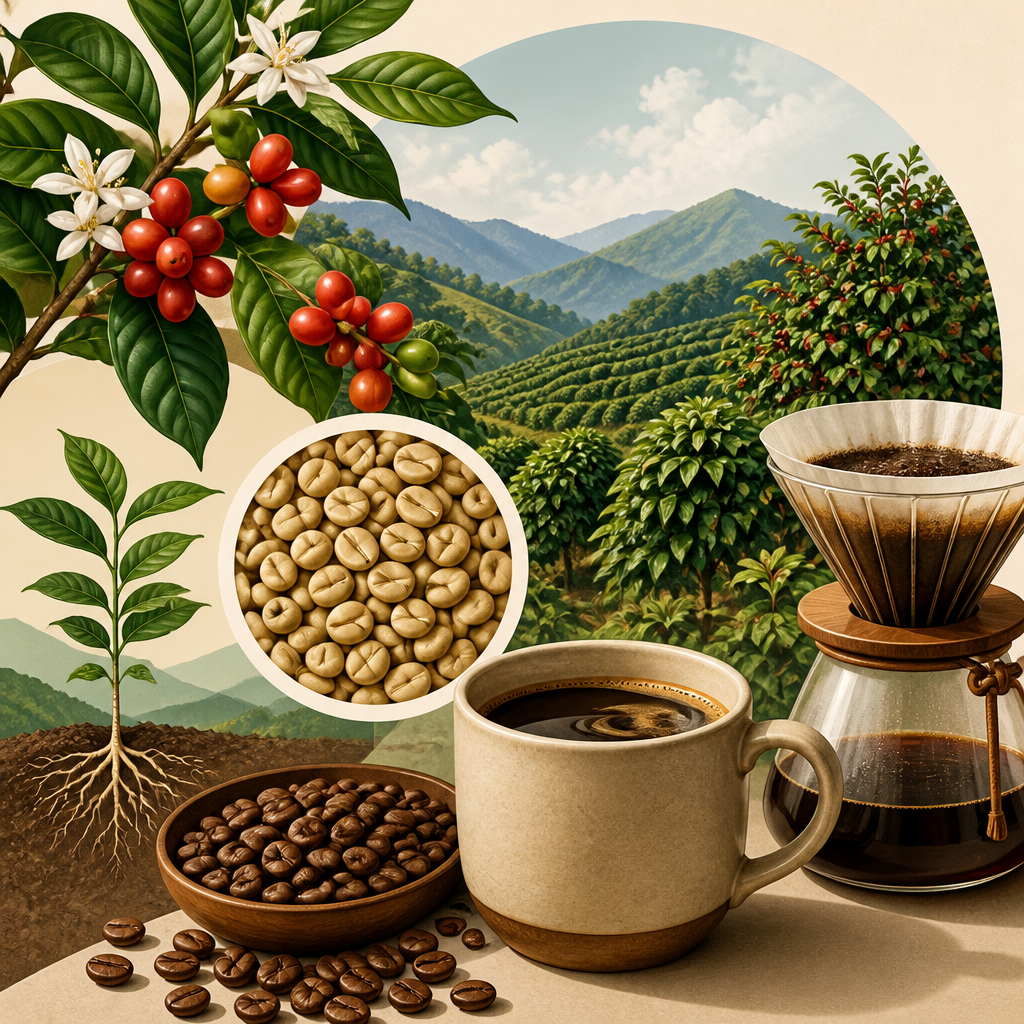
Cultivating Java coffee beans begins with young coffee plants, which need several years to mature before producing a meaningful harvest. Once the trees bear fruit, growers watch for cherries to reach the right stage of ripeness. Ripe cherries are usually bright red, and careful hand-picking helps separate them from underripe or overripe fruit. This extra attention matters because uneven harvesting can lead to a less consistent cup.
After picking, the cherries move quickly into processing. Depending on the producer’s approach, the fruit may be washed away from the seed, dried with some fruit still attached or handled through another controlled method. The beans are then dried carefully, often on raised beds or patios, until they reach a stable moisture level. Proper drying helps preserve sweetness, clarity and balance while reducing the risk of unwanted flavors.
Next, the dried beans are hulled, sorted and prepared as green coffee for export. At each step, farmers and processors may remove defective beans to improve consistency before the coffee reaches a roaster.
Sustainable practices can make this work more resilient over time. Soil-conscious farming, shade trees, composting and careful water use may help protect the land while supporting future harvests. These choices can also benefit local farming communities by encouraging long-term productivity, preserving natural resources and creating value for the people whose skill brings Java coffee from tree to cup.
Flavor Profile: What Does Java Coffee Taste Like?
Flavor Profile: What Does Java Coffee Taste Like?
Java coffee is often loved for its comfortable, well-rounded character. Many cups open with familiar notes of chocolate, toasted nuts and caramel, making them easy to enjoy whether you drink coffee black or with a little milk. Depending on the particular lot, you may also notice gentle spice, earthy herbs or a subtle, low-key fruitiness rather than bright, sharp fruit flavors.
The texture is a major part of Java coffee’s appeal. It commonly has a full, smooth body that feels satisfying on the palate, with low to moderate acidity. In simple terms, it tends to taste less tangy than some coffees from East Africa, while still offering enough liveliness to keep the cup from feeling flat. This balanced style is one reason Java has long been considered a dependable, approachable coffee.
Of course, no two Java coffees taste exactly alike. Flavor can shift with the growing area, elevation, bean variety and processing method. Higher-grown beans may show a little more complexity and brightness, while coffees from other areas can lean deeper, earthier or more herbal. Washed processing may create a cleaner, clearer cup, while natural or other processing styles can add more sweetness and fruit character.
Roast level also makes a noticeable difference. A medium roast often highlights Java’s classic balance of cocoa, nuts, mild sweetness and smooth body. Choose a darker roast if you prefer richer cocoa-like depth, more roast-driven flavor and a bolder finish. Trying both is a simple way to discover which expression of Java coffee suits your taste best.
Benefits of Java Coffee Beans
Benefits of Java Coffee Beans
One of the most familiar benefits of Java coffee beans is their caffeine content. When enjoyed in moderation, caffeine may help support alertness, concentration and a feeling of readiness for the day ahead. A freshly brewed cup can be a welcome part of a morning routine or a useful pick-me-up during an afternoon slump, though the ideal amount varies from person to person.
Like other coffees, Java beans naturally contain antioxidants and a wide range of aromatic compounds. These compounds contribute to coffee’s inviting aroma and complex taste, from cocoa and toasted nuts to caramel, gentle spice and subtle herbal notes. The exact makeup of a cup will change with the bean variety, growing conditions, roast level and brewing method, which is part of what makes coffee so enjoyable to explore.
The practical benefits of Java coffee beans also make them easy to appreciate. Their commonly smooth body, balanced flavor and low to moderate acidity can feel approachable for people who are still getting to know coffee. Java is often satisfying without being overly sharp or intensely fruity, especially at a medium roast.
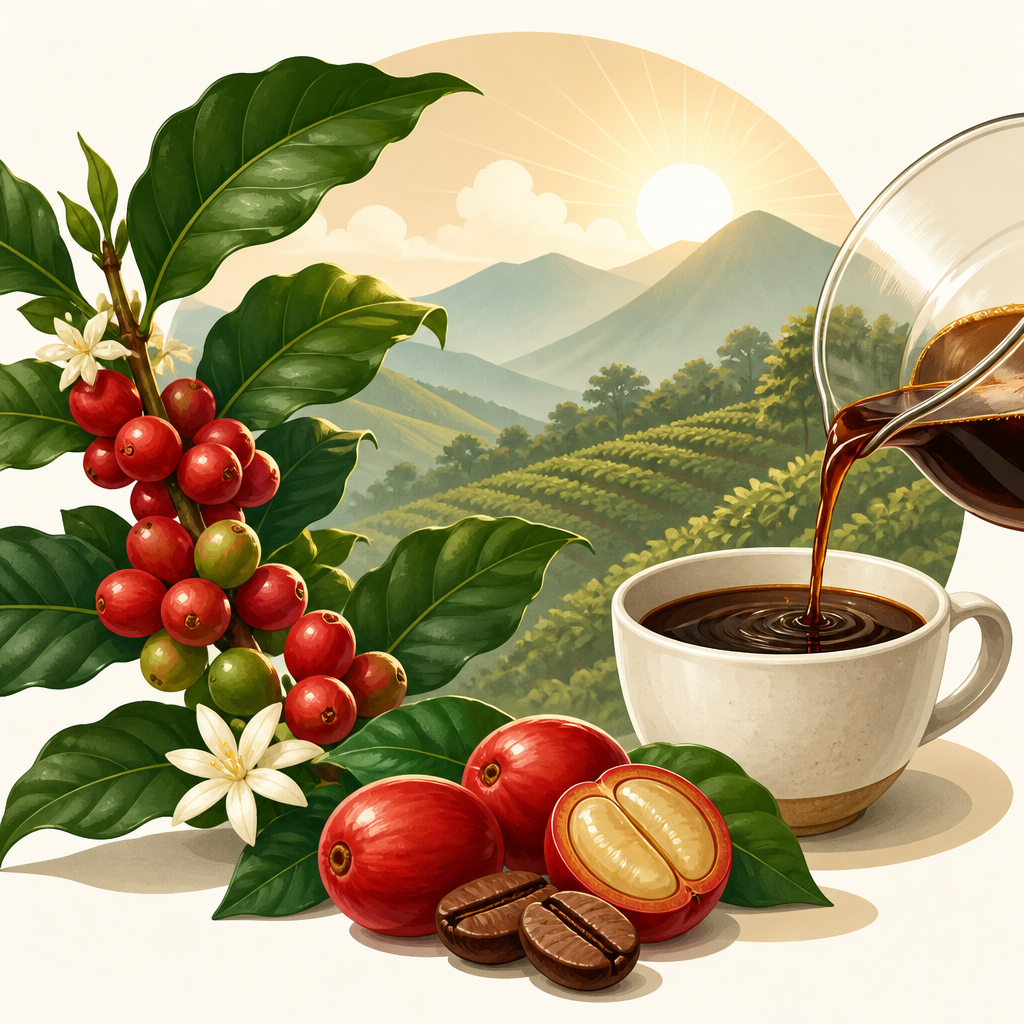
It is also a versatile choice for home brewing. A pour-over can bring out its clean, balanced character, while a French press emphasizes body and deeper chocolate or nut notes. Espresso can make Java taste richer and more concentrated, and cold brew offers a mellow, refreshing option.
As with any caffeinated drink, it helps to consider your own sensitivity. Some people prefer coffee early in the day or choose a smaller serving to protect sleep. Enjoyed as part of an overall balanced routine, Java coffee can offer a flavorful, comforting daily ritual as well as a gentle boost of energy.
How to Prepare Java Coffee Beans
How to Prepare Java Coffee Beans
The best way to enjoy Java coffee starts with fresh whole beans, clean water and a reliable burr grinder. Whole beans hold onto their aroma and flavor longer than pre-ground coffee, while a burr grinder produces more even particles than a blade grinder. That consistency helps the coffee extract evenly, giving Java’s smooth body and balanced notes a chance to shine.
For the freshest flavor, grind the beans immediately before brewing. Match the grind to your chosen method:
- Coarse grind: Best for French press and cold brew.
- Medium grind: A good fit for standard drip coffee makers and many pour-over brewers.
- Fine grind: Ideal for espresso machines, which brew quickly under pressure.
A helpful starting point for How to prepare Java coffee beans is a 1-to-16 coffee-to-water ratio. In practical terms, that is about 20 grams of ground coffee for 320 grams, or milliliters, of water. Prefer a stronger cup? Add a little more coffee or use slightly less water. If it tastes too intense, use more water or reduce the coffee dose.
A pour-over can highlight Java coffee’s clean, gentle sweetness and subtle herbal or nutty qualities. A French press creates a fuller, richer cup that emphasizes body. Espresso brings out concentrated cocoa-like depth, particularly with a medium-dark or dark roast. For a mellow, low-acid-style iced drink, try cold brew, steeping coarsely ground beans in cool water for 12 to 18 hours before filtering.
Store unused Java coffee beans in an airtight container in a cool, dark, dry cupboard. Keep them away from heat, light and moisture, and skip the refrigerator, where condensation and food odors can affect their flavor.
Finding Your Favorite Java Coffee
Finding Your Favorite Java Coffee
Buying Java coffee beans is a little like choosing a favorite chocolate or tea: a few small details can make a big difference. Start by checking for a roast date. Freshly roasted beans usually offer their most vivid aroma and flavor within a few weeks of roasting, although the ideal window can vary by roast style and storage. A bag that lists a clear roast date is generally more useful than one with only a distant best-by date.
Look for origin information, too. “Java” may refer broadly to coffee grown on the Indonesian island, but coffees from different estates, villages and highland areas can taste quite different. A reputable roaster will often share details about the growing region, variety, processing method and tasting notes. These details do not guarantee that every cup will be your favorite, but they give you helpful clues about what to expect.
Try a few options rather than settling on one bag immediately. A medium roast may highlight Java coffee’s familiar balance of nuts, caramel, herbs and gentle fruit. A darker roast can bring forward deeper cocoa notes, more roastiness and a fuller impression. If you find a single-origin Java coffee, brew it on its own before blending it with other beans, so you can get a clear sense of its character.
The best cup begins long before brewing. Thoughtful farming, careful cherry selection, skilled processing, fresh roasting and your own preparation all shape what reaches the mug. Exploring different Java coffees also connects you to the growers and communities whose work makes each harvest possible.
The takeaway: choose fresh beans from transparent, trusted roasters, experiment with origins and roast levels, and enjoy Java coffee for both its smooth flavor and the rich farming tradition behind every cup.