

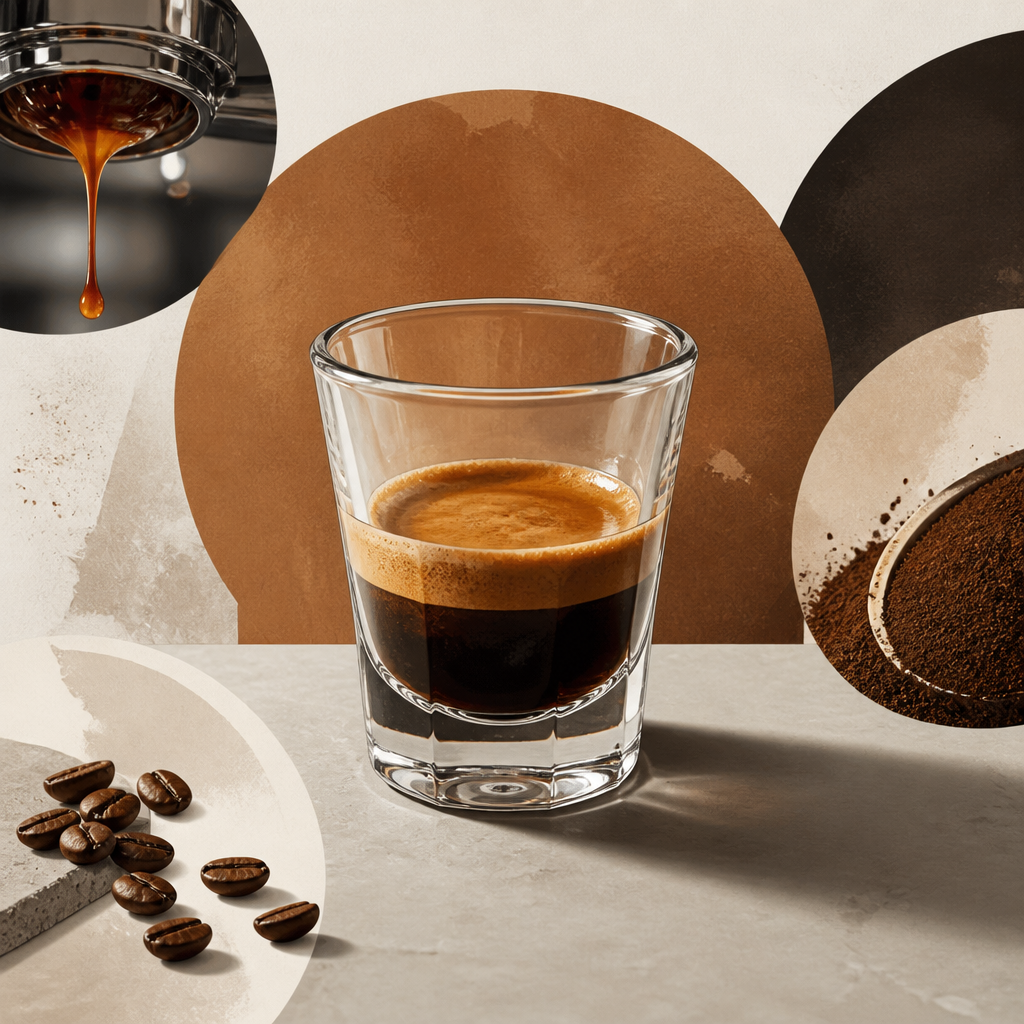
What Is a Ristretto?
What Is a Ristretto?
If you love espresso but want an even more concentrated, velvety coffee experience, ristretto is well worth a taste. Served in a tiny cup, this short shot delivers a bold aroma, rich body and a surprisingly nuanced flavor that invites you to slow down and savor it.
The word ristretto is Italian for “restricted” or “narrowed.” In coffee terms, it refers to restricting the amount of water that passes through the grounds during brewing. A barista generally uses a similar dose of ground coffee to a regular espresso, but stops the shot sooner, producing less liquid in the cup.
That smaller yield is important. Ristretto is not simply an espresso poured into a smaller cup, nor is it just a half-filled shot. It is made with a different target ratio and requires its own approach to grinding, timing and extraction. The goal is to capture a dense, flavorful portion of the coffee while limiting the later parts of extraction, which can bring more bitterness or dryness.
The result is often a shot that feels thick and syrupy, with an intense coffee character. Depending on the beans and preparation, it may highlight sweetness, ripe fruit, caramel or chocolate-like notes. It can also feel smoother than a standard espresso, although every coffee behaves differently.
A ristretto may be small, but it is designed to be experienced rather than rushed. Think of it as espresso’s compact, expressive cousin: less liquid, the same attention to detail and a flavor profile all its own.
Ristretto vs. Espresso: What Is the Difference?
Ristretto vs. Espresso: What Is the Difference?
Ristretto and espresso begin with the same basic ingredients: finely ground coffee, pressurized hot water and an espresso machine. The main difference is how much liquid ends up in the cup.
A standard double espresso commonly uses around 18 grams of ground coffee to produce roughly 36 grams of brewed coffee, often called a 1:2 brew ratio. A ristretto usually starts with a similar coffee dose, but the shot is stopped earlier, producing about half as much liquid. For example, 18 grams of coffee might yield 18 to 22 grams of ristretto, close to a 1:1 ratio.
Because less water passes through the coffee puck, ristretto shots are typically shorter. An espresso may run for about 25 to 30 seconds, while a ristretto might fall closer to 20 to 25 seconds. These numbers are useful starting points rather than strict rules. Different beans, machines and grinder settings can all change the ideal time.
That smaller yield gives ristretto a noticeably different character. It often feels thicker and more syrupy on the tongue, with a dense body and powerful aroma. Since the later stages of extraction can bring out more bitter compounds, stopping the shot earlier may emphasize sweetness, fruitiness or rich caramel-like flavors instead.
Still, a ristretto is not guaranteed to be sweeter or less bitter than espresso. If the grind is too coarse, the shot can taste thin or sour. If it is too fine or runs too long, it may become harsh and bitter. With a well-dialed-in recipe, though, ristretto offers a compact, fuller-tasting alternative to a standard espresso.
What Does Ristretto Taste Like?
What Does Ristretto Taste Like?
A well-made ristretto is small, but its flavor can feel remarkably expansive. It typically has a dense, concentrated body and a silky, almost syrupy texture that lingers on the tongue. Its aroma is equally intense, often delivering a strong burst of roasted coffee, chocolate, caramel, fruit or floral notes before the first sip.
Because less water passes through the coffee puck, a ristretto often captures more of the early-extracting flavors. These tend to include sweetness, bright acidity and lively fruit notes. Depending on the coffee, you might taste berries, citrus, stone fruit, honey or brown sugar. At the same time, stopping the extraction sooner can limit some of the later-extracting bitter compounds, which is why ristretto is often described as sweeter and rounder than a regular espresso.
That said, there is no single ristretto flavor. Bean origin plays a major role. A Brazil or Colombia coffee may produce a rich, nutty ristretto with cocoa and caramel character, while an Ethiopian coffee might taste more floral, jammy or citrus-like. Medium and darker roasts commonly create a deeper, more chocolate-forward cup, whereas lighter roasts can be brighter and more complex.
Freshness matters, too. Recently roasted beans generally offer clearer aromas and a fuller crema. The grinder setting, dose, water temperature and barista technique also shape the result. A fine adjustment can turn a sharp, sour shot into one that is sweet and velvety, or prevent a heavy shot from becoming dry and harsh.
The ideal ristretto should taste balanced rather than merely intense: aromatic, richly textured and satisfying from the first sip to the finish.
Tools for Preparing a Ristretto
Tools for Preparing a Ristretto
You do not need a café-sized setup to make a good ristretto at home, but a few reliable tools will make the process far easier. Because this style of shot uses a small amount of water and a precise yield, minor inconsistencies can have a noticeable effect on taste.
The essential Tools for preparing a Ristretto include:
- An espresso machine capable of delivering stable water temperature and pressure
- A capable burr grinder, ideally one designed for fine espresso adjustments
- Fresh coffee beans, preferably bought whole and ground just before brewing
- A portafilter and basket that fit your espresso machine
- A tamper for compressing the coffee bed evenly
- A small digital scale that measures in 0.1-gram increments
A few extras can make preparation cleaner and more repeatable. A timer helps track shot time, while a dosing funnel keeps grounds from spilling as you fill the basket. A distribution tool, or even a few careful taps and gentle stirring, can help spread the grounds evenly before tamping. Finally, a small preheated espresso cup lets you enjoy the ristretto while it is at its most aromatic.
Of all these items, the grinder and scale usually make the biggest difference. A consistent burr grinder lets you make tiny changes to the grind size, which is crucial when dialing in a short shot. If the grind is too coarse, water rushes through and the ristretto may taste thin or sour. Too fine, and it can run slowly and taste bitter or harsh.
The scale is equally valuable. Rather than judging by cup volume, weigh both your dry coffee dose and the liquid in the cup. This gives you a repeatable starting point and makes it much easier to adjust your recipe with confidence.
How to Prepare a Ristretto
How to Prepare a Ristretto
Learning How to prepare a Ristretto starts with a simple espresso workflow, then narrows the final yield. Turn on your espresso machine and allow it, along with the portafilter, to warm up fully. A warm group head and cup help maintain the shot’s temperature and texture.
Grind fresh coffee just before brewing. Start with your usual espresso dose, such as 18 grams in a double basket, then place the grounds in the portafilter. Distribute them evenly to avoid clumps and gaps, and tamp with firm, level pressure. An uneven puck can cause water to find easy paths through the coffee, leading to an unbalanced shot.
For a useful starting recipe, aim for about a 1:1 ratio by weight. In other words, use 18 grams of dry coffee and stop the shot when you have roughly 18 grams of liquid ristretto in the cup. This is much more reliable than judging by volume, since crema can make a shot look larger than it really is. Weigh the coffee before brewing and weigh the finished yield as it pours.
Start the extraction and watch both the scale and the timer. Many ristretti fall somewhere around 20 to 30 seconds, but time is a guide rather than a strict rule. The taste in the cup matters most.
If the ristretto tastes sour, sharp, or weak, try grinding a little finer so water has more contact with the coffee. If it tastes bitter, dry, or overly harsh, make the grind slightly coarser or stop at a slightly shorter yield. You can also make small changes to the dose, but adjust only one variable at a time. With a few careful trials, you can find a short, rich shot that tastes sweet, balanced, and intensely aromatic.
Choosing Coffee Beans for Ristretto
Choosing Coffee Beans for Ristretto
The coffee you choose has a major influence on how your ristretto tastes. Because the drink is so concentrated, its strongest flavors are front and center, including both the pleasant notes and any unwanted bitterness or sharpness.
For a classic, comforting ristretto, start with medium or medium-dark roasted beans. These roasts often bring out familiar flavors such as chocolate, caramel, toasted sugar, and nuts. They tend to produce a rich, velvety shot with a rounded finish, and they are usually easier to dial in than very light roasts. A blend made for espresso can be an especially dependable choice if you enjoy a full-bodied, traditional coffee flavor.
Lighter roasts can also make an excellent ristretto, particularly for drinkers who enjoy brighter and more unusual flavors. Coffees from Ethiopia, Kenya, or certain Central American regions may offer notes of berries, citrus, stone fruit, or florals. In a short shot, these characteristics can feel vivid and complex. However, lighter beans are often denser and less soluble, so they may need a finer grind and closer attention to yield and extraction time. If the shot tastes overly tart or thin, it may need a small adjustment rather than a different coffee.
Freshness matters as much as roast level. For the best aroma and crema, try to use whole beans within a few weeks of their roast date. Coffee that has sat too long can taste flat, papery, or dull, no matter how carefully it is prepared.
Store beans in a clean, airtight container in a cool, dark cupboard, away from heat, sunlight, and strong odors. Avoid keeping everyday coffee in the refrigerator, where moisture and odors can affect its flavor. Grind only what you need just before brewing, then let the beans and your taste preferences guide your next ristretto.
Benefits of Ristretto
Benefits of Ristretto
One of the biggest benefits of ristretto is how much character it delivers in such a small cup. Because it uses a similar dose of coffee to a standard espresso but less water, it can feel especially bold and indulgent. A well-made ristretto often has a dense, velvety body, rich aroma, and syrup-like mouthfeel that makes even a few sips feel like a complete coffee moment.
That concentrated style is appealing when you want a satisfying coffee experience without a large drink. Rather than stretching the flavor across a bigger volume, ristretto puts its most expressive notes front and center. Depending on the beans and preparation, you may notice chocolate, caramel, ripe fruit, or floral notes, often with a rounded sweetness and less of the bitterness associated with longer extractions.
Ristretto is versatile, too. Drink it straight in a small cup when you want to focus on its aroma and texture. Serve it alongside sparkling water for a refreshing contrast and a clean palate between sips. It also makes a particularly rich base for milk drinks. In a cortado, its concentrated flavor can stand up nicely to the milk, while in a latte it adds a deeper coffee presence without needing a larger shot.
It is worth clearing up one common assumption: ristretto is not automatically far stronger in caffeine than espresso. Caffeine content can vary with the coffee, dose, grind, and extraction, but a ristretto generally begins with a similar amount of grounds as an espresso. It simply produces less liquid. The result may taste more intense, yet its caffeine level is often in a similar range rather than dramatically higher.
Make Ristretto Part of Your Coffee Routine
Make Ristretto Part of Your Coffee Routine
Ristretto is a small change to a familiar espresso routine, but it can reveal a very different side of your coffee. By using the same general dose of grounds and stopping the shot at a lower yield, you can create a drink that feels fuller, more aromatic and especially satisfying when you want a focused coffee moment.
There is no single perfect recipe for every bean or machine, so give yourself room to experiment. Start with a roughly 1:1 coffee-to-liquid ratio by weight, then make one adjustment at a time. Try a slightly finer or coarser grind, change the final yield by a gram or two, or compare a medium roast with a brighter, lighter coffee. Taking brief notes on the dose, yield and taste can make dialing in much easier over time.
Ristretto also fits easily into different parts of the day. Enjoy it straight when you want to notice its texture and aroma, serve it with sparkling water as a palate-cleansing companion, or use it as a rich base for a small milk drink. A ristretto-based cortado can taste especially silky, while a latte made with ristretto may bring a more pronounced coffee character through the milk.
Most importantly, trust your own taste. Some people prefer a short, syrupy shot with chocolate and caramel notes, while others enjoy a brighter ristretto that highlights fruit and floral aromas. The best ristretto is not the shortest or most intense one, but the one that tastes balanced, aromatic and satisfying to you.