

Meet Pacamara: A Coffee Variety That Stands Out
Meet Pacamara: A Coffee Variety That Stands Out
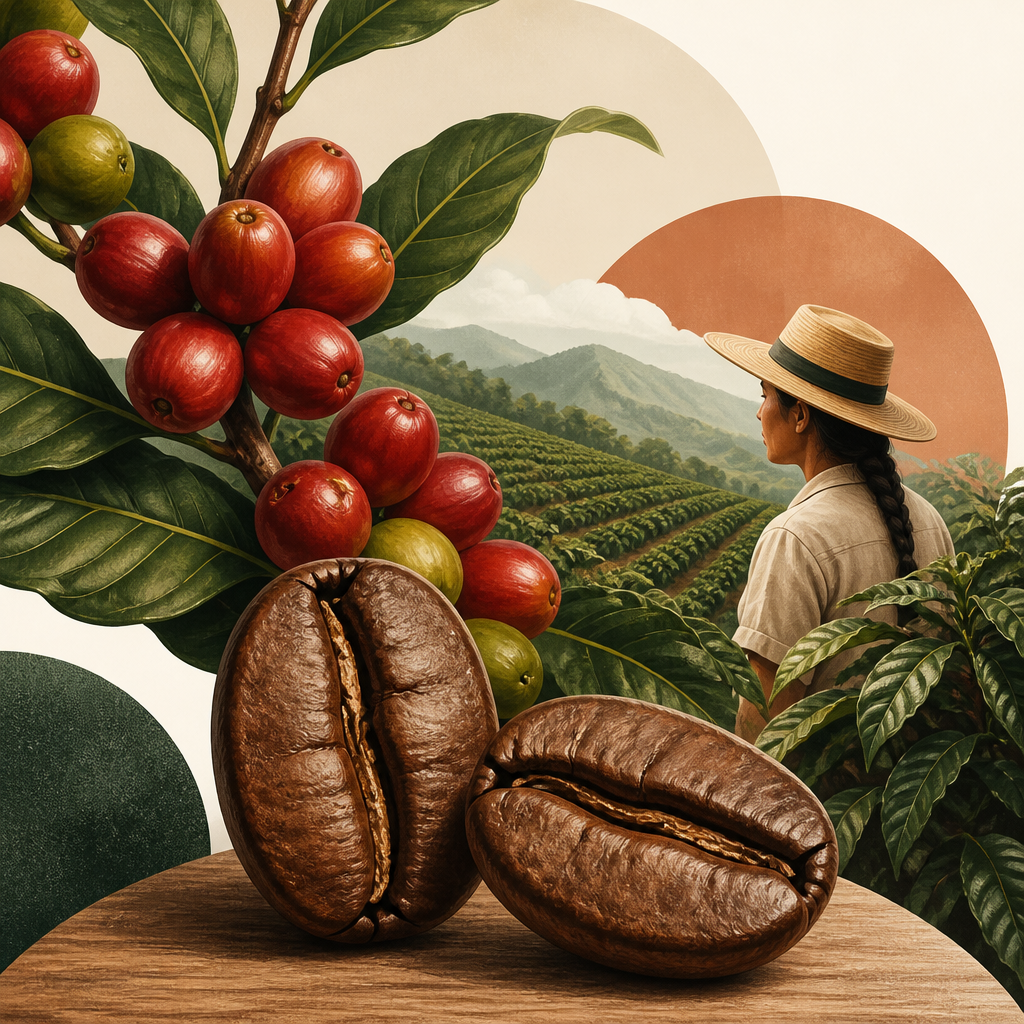
Some coffees make an impression before they even reach the grinder. Pacamara is one of them. This distinctive Arabica variety is known for its unusually large beans, which can look almost oversized beside a typical coffee bean. Yet its appeal goes far beyond appearance. When grown, processed and roasted with care, Pacamara can produce a cup with vivid character, balancing bright fruit, deep sweetness and a satisfying, often creamy texture.
That combination has made Pacamara a favorite among specialty coffee growers, roasters and adventurous coffee drinkers. Farmers value its potential for exceptional quality, even if it asks for close attention in the field. Roasters appreciate the chance to highlight a coffee that can be expressive and complex, though its large bean size calls for thoughtful roasting. For anyone who enjoys trying coffees with a clear sense of personality, Pacamara offers an intriguing change from more familiar varieties.
No two Pacamara coffees taste exactly alike. A lot from a high mountain farm in El Salvador may lean toward citrus, caramel and chocolate, while a naturally processed Pacamara from another origin might bring tropical fruit, floral aromas and a fuller body. The farm, elevation, climate, harvest and processing style all play a part in the final flavor.
In the sections ahead, we will explore where Pacamara came from, what gives its beans and trees their distinctive qualities, and what it can taste like in the cup. We will also look at cultivating Pacamara coffee beans, the processing choices that shape its flavor, and how to prepare Pacamara coffee beans at home. Finally, you will discover the benefits of Pacamara coffee beans and why this big-beaned variety is well worth seeking out.
Where Pacamara Came From

Where Pacamara Came From
Pacamara began in El Salvador, where coffee researchers set out to combine two very different Arabica varieties. The result was a cross between Pacas and Maragogipe, and its name reflects that family connection: “Paca” from Pacas and “mara” from Maragogipe.
The variety was developed in the mid-20th century by the Salvadoran Institute for Coffee Research, commonly known as ISIC. Its researchers worked with coffee plants that could offer both strong cup quality and distinctive physical traits. After years of selection, Pacamara emerged as a variety with unusually large beans, a memorable appearance and the potential for expressive specialty coffee.
Pacas, one of Pacamara’s parents, is a natural mutation of the well-known Bourbon variety. It is valued for its relatively compact growth, which can make trees easier to manage than taller coffee plants. Like Bourbon, Pacas also carries promising quality potential when it is grown carefully at suitable elevations and processed well.
Maragogipe brings a very different character to the mix. Often nicknamed the “elephant bean” coffee, it is famous for producing exceptionally large beans. It can also contribute unusual cup qualities, including lively aromatics, distinctive structure and a sense of complexity that catches the attention of specialty buyers.
Pacamara does not simply reproduce either parent. Instead, it combines traits in its own recognizable way. Its trees are generally more compact than Maragogipe plants, while its beans retain much of Maragogipe’s striking size. In the cup, a well-grown Pacamara can show the sweetness and quality promise associated with its Bourbon-related side, alongside the bold personality that makes its giant-beaned parent so intriguing.
What Makes Pacamara Beans and Trees Different
What Makes Pacamara Beans and Trees Different
Pacamara is easy to notice before it ever reaches the grinder. Its beans are unusually large for Arabica, often dwarfing familiar varieties such as Bourbon, Caturra or Typica. The size is a clear inheritance from Maragogipe, and it gives green coffee lots a visually striking appearance. For roasters and buyers, that dramatic bean size is part of Pacamara’s appeal, but it also calls for care.
The trees themselves are not simply oversized. Compared with tall, sprawling Maragogipe plants, Pacamara tends to grow more compactly, reflecting its Pacas parentage. That can make the variety more manageable in the field, yet it is not a low-effort crop. Farmers still need to pay close attention to pruning, plant nutrition, shade, cherry ripeness and disease pressure if they want healthy yields and high-quality coffee.
Large beans also create practical considerations after harvest. They should be sorted carefully so that similarly sized beans are processed and roasted together. Inconsistent sizing can lead to uneven drying or uneven roasting, where smaller beans develop faster while larger ones remain underdeveloped. During roasting, steady heat application and an appropriate profile help the center of these dense, large beans develop without scorching the outside.
Even within the same variety, Pacamara is far from uniform. A lot grown at high elevation in cool conditions may taste very different from one grown lower down or in a warmer microclimate. Farm practices matter, too, as do soil, rainfall and processing choices. Washed, honey and natural Pacamaras can each present their own character. That variation is one reason the variety remains so interesting: its big beans provide a recognizable starting point, while place and craft shape the final result.
What Does Pacamara Coffee Taste Like?
Pacamara is often celebrated for a cup that feels both lively and comforting. At its best, it can show bright tropical fruit notes, such as pineapple, mango or papaya, alongside citrus hints like orange, grapefruit or lime. Many lots also offer floral aromas, chocolate tones, caramel-like sweetness and a notably creamy, almost silky texture.
That combination is part of the appeal. A Pacamara may open with a fragrant, juicy aroma, then settle into a sweet, structured cup with enough body to keep the flavors grounded. Some coffees lean toward ripe fruit and candy-like sweetness, while others feel more elegant, with delicate florals, crisp acidity and cocoa in the finish.
Processing has a major influence on the result. Washed Pacamara is often cleaner and brighter, making citrus, flowers and clear sweetness easier to notice. Natural processed examples can bring out deeper berry or tropical-fruit character, a heavier body and more ferment-like complexity. Honey processed Pacamara often lands somewhere between the two, combining fruit intensity with caramel sweetness and a rounded mouthfeel.
Still, these tasting notes are possibilities, not promises. Elevation, climate, soil, ripe-cherry selection, processing skill and roast development all shape the final cup. A lightly roasted, high-grown Pacamara may taste sparkling and floral, while a more developed roast can emphasize chocolate, nuts and syrupy sweetness.
This range helps explain why standout lots draw the attention of specialty buyers and coffee competition judges. They often look for more than a dramatic flavor note. Great Pacamara tends to have structure, meaning sweetness, acidity, aroma and body work together in a clear, layered and memorable cup.
Cultivating Pacamara Coffee Beans
Cultivating Pacamara Coffee Beans
Cultivating Pacamara coffee beans calls for a little patience and close attention, but the potential reward is a distinctive, high-quality harvest. The variety often performs best at higher elevations, where cooler nights and mild daytime temperatures allow coffee cherries to mature slowly. That slower ripening can help develop the sugars and acids that later create Pacamara’s sweetness and complexity in the cup.
Fertile, well-drained soil is also important. Farmers need to manage nutrition carefully, supplying the nutrients trees need without pushing excessive leafy growth at the expense of fruit. Organic matter, soil testing and thoughtful fertilization can all support healthier plants and more consistent cherry development.
Shade management is another balancing act. Some shade can protect trees from intense sun, reduce heat stress and support a more stable farm environment. Too much shade, however, may limit airflow and encourage moisture-related problems. Growers adjust shade trees according to local rainfall, temperature, elevation and the needs of the coffee plants.
Pacamara can be relatively compact compared with its Maragogipe parent, but it still benefits from regular pruning. Removing unproductive branches helps improve airflow, makes harvesting easier and directs the plant’s energy toward healthy fruit. Farmers must also watch for pests and diseases, including coffee leaf rust, particularly in humid conditions.
This is not always the simplest variety for farms seeking high, dependable volume. Pacamara may demand more management than widely planted commercial varieties, and yields can vary. Yet when conditions and care are right, its cup quality can justify the effort.
Selective harvesting is essential. Pickers should choose only fully ripe cherries, often making several passes through the same plot. Ripe fruit gives Pacamara its best chance to show clean sweetness, vivid flavor and the clarity specialty coffee drinkers value.
From Cherry to Green Coffee: Processing Pacamara
From Cherry to Green Coffee: Processing Pacamara
Once Pacamara cherries are picked at peak ripeness, the work continues quickly. Farmers first sort the harvest, removing underripe, overripe or damaged cherries. The selected fruit is then processed to remove or manage the layers around the seed, dried carefully, rested and prepared as green coffee for export.
With a washed process, the cherry skin and fruit are removed soon after harvest. The coffee usually ferments in water or tanks to loosen the remaining sticky mucilage, then it is washed and dried. Washed Pacamara often has a cleaner profile, brighter acidity and clearly defined floral, citrus or fruit notes.
Natural processing takes a different path. Whole cherries dry with the beans still inside, allowing the fruit to influence the coffee for longer. This can create fuller body, intense berry or tropical-fruit character and a jammy sweetness. It also demands close attention, since poorly managed drying can lead to uneven flavors or defects.
Honey processing sits between the two. Producers remove the skin but leave some mucilage on the bean during drying. Depending on how much mucilage remains, honey-processed Pacamara may combine rounded sweetness and fruitiness with more clarity than a natural coffee.
Careful drying matters especially for Pacamara because its beans are unusually large. They need consistent airflow, turning and moisture monitoring so the coffee dries evenly rather than developing defects. After drying, the coffee commonly rests in protective packaging before milling and export, which helps stabilize the green beans.
When choosing a bag, look beyond the word “Pacamara.” Details such as country, farm, elevation and process offer useful clues about what may be in the cup. They also make it more fun to compare how the same remarkable variety changes from one lot to another.
How to Prepare Pacamara Coffee Beans
Pacamara is especially rewarding in pour-over coffee. Methods such as a V60, Chemex or flat-bottom dripper tend to highlight its fragrant aromatics, clear fruit notes and layered sweetness. A carefully brewed cup may shift as it cools, revealing citrus, floral, caramel or chocolate-like details that can be harder to notice in a heavier brew.
For the best starting point, buy freshly roasted whole beans and grind them just before brewing. Use clean, filtered water, ideally heated just off the boil, and begin with a coffee-to-water ratio between 1:15 and 1:17. For example, 20 grams of coffee would use about 300 to 340 grams of water. This is only a guide, so adjust it to suit your taste and the particular coffee.
If the cup tastes sharp, sour or thin, try grinding a little finer or extending the brew slightly. If it tastes bitter, dry or overly heavy, use a slightly coarser grind or shorten the contact time. Small changes can make a big difference, particularly with a complex coffee like Pacamara.
Espresso is another excellent option. It can emphasize Pacamara’s syrupy sweetness, creamy texture and deeper chocolate or caramel notes. A French press, meanwhile, creates a fuller-bodied cup and may bring out the coffee’s rounder fruit character.
Although Pacamara’s unusually large beans may require extra care during roasting, brewing them does not call for special equipment. Thoughtful How to prepare Pacamara coffee beans comes down to freshness, clean water and a willingness to tweak your recipe. Start simply, taste closely and let the coffee guide your next adjustment.
Benefits of Pacamara Coffee Beans and Why They Are Worth Trying
Benefits of Pacamara Coffee Beans and Why They Are Worth Trying
The main benefits of Pacamara coffee beans lie in their potential for an unusually vivid and memorable cup. At their best, these coffees can combine pronounced sweetness with tropical or citrus-like fruit, floral aromas, chocolate or caramel notes, and a creamy, substantial body. That range makes Pacamara especially appealing to drinkers who enjoy discovering flavors beyond a straightforward nutty or roasty coffee profile.
Its appeal is not only about the cup. Pacamara is also a product of coffee innovation, created by combining traits from two distinctive Arabica varieties. Each lot can express that heritage differently. A high-grown washed Pacamara may be crisp, elegant and bright, while a natural or honey-processed version may taste fuller, fruitier and more syrupy. There is no single “correct” Pacamara flavor, which is part of the fun.
For buyers, choosing a traceable Pacamara lot offers a useful way to learn about coffee. Look for details such as country, farm or cooperative, elevation, harvest, processing method and roast level. Comparing two bags with those details can reveal how much variety, place and processing shape what ends up in the cup.
There can also be value for farmers. When Cultivating Pacamara coffee beans results in exceptional quality, specialty buyers may pay higher prices for well-processed, carefully marketed lots. Those premiums are never guaranteed, and they depend on yields, production costs, quality, buyer demand and broader market conditions. Still, Pacamara can give producers a distinctive offering in the specialty market.
Ultimately, the Benefits of Pacamara coffee beans are simple: a compelling story, striking character and plenty to explore. Buy a bag from a trusted roaster, brew it with curiosity and compare different origins or processes. The clear takeaway is that Pacamara is worth trying when you want coffee that feels both expressive and distinctly its own.


[…] A Short History of Liberica’s Global Journey […]