


Welcome to the World of Kona Coffee
Welcome to the World of Kona Coffee
Few morning coffees come with a stronger sense of place than Kona coffee. Grown on Hawaii’s Big Island, this celebrated specialty coffee begins its journey on the fertile slopes of Mauna Loa and Hualalai, two volcanoes that help shape the region’s distinctive landscape, soil and climate.
Kona coffee is produced in a relatively small area known as the Kona Coffee Belt. That limited growing region is one reason it is so sought after. Rather than being grown across a vast country or multiple climates, genuine Kona coffee comes from a specific stretch of land where warm sunshine, afternoon clouds, gentle rain and rich volcanic soil support the coffee plants. Many farms are small, family-run operations, and careful attention is given to picking, processing and roasting the beans.
In the cup, Kona is often appreciated for its smooth, approachable character. Depending on the farm and roast, it may offer notes of chocolate, caramel, toasted nuts or soft fruit, with a pleasant brightness instead of harsh acidity. It can be an easy coffee to enjoy black, while still having enough depth to stand up to milk if that is your preference.
There is much more to Kona coffee than its famous name. Its story includes Hawaii’s coffee-growing history, the work involved in cultivating Kona coffee beans, and the many choices that influence flavor between the farm and your kitchen. This guide will explore what makes Kona distinctive, how its beans are grown and processed, how to prepare Kona coffee beans for a satisfying brew, and what to look for when buying coffee labeled Kona.
What Makes Kona Coffee So Special?
Kona coffee comes from the Kona Coffee Belt, a remarkably small growing area on Hawaii’s Big Island. This belt runs along the western slopes of Mauna Loa and Hualalai, where coffee farms sit in a landscape shaped by ancient volcanic activity. The mineral-rich volcanic soil gives coffee plants a strong foundation, while the region’s elevation and coastal conditions create an unusually reliable growing environment.
Mornings in Kona are often warm and sunny, helping the coffee plants photosynthesize and develop fruit. By afternoon, cloud cover commonly moves in, offering shade that protects the cherries from intense heat. Gentle rainfall provides moisture without the constant soaking that can stress plants or encourage disease. Together, these conditions allow coffee cherries to ripen slowly and evenly, concentrating the sugars and developing the nuanced flavors associated with Kona coffee.
A well-produced Kona coffee is often smooth, clean and balanced rather than sharply bitter or overly acidic. Flavor notes vary by farm, roast and processing method, but many cups suggest milk chocolate, roasted nuts, caramel or brown sugar. Some also have hints of citrus, berries or other soft fruit. Kona’s acidity is usually bright but mild, adding freshness without overwhelming the cup.
When shopping, it is important to read labels closely. 100% Kona coffee means the package contains only beans grown in the Kona district. A Kona blend, however, may include just a small percentage of Kona beans combined with coffee from other origins. Blends can still be enjoyable and more affordable, but they will not necessarily offer the same distinct character as a true 100% Kona coffee.
A Quick Look at Kona Coffee History

A Quick Look at Kona Coffee History
Coffee first arrived in Hawaii in the early nineteenth century, when plants were introduced to the islands during a period of expanding global trade and agriculture. Early plantings appeared on Oahu, but the crop found an especially suitable home on Hawaiʻi Island. By the mid-1800s, coffee had become established in the Kona district, where the slopes of Mauna Loa and Hualalai offered the rich soil and dependable weather the plants needed.
Kona’s coffee industry was shaped less by vast estates than by many small farms. As larger sugar plantations dominated other parts of Hawaii, families in Kona cultivated coffee on modest parcels of land, often alongside fruit, vegetables and other crops. Immigrant communities, particularly farmers of Japanese descent, played an important role in developing these farms. Their labor, growing knowledge and close attention to harvesting helped establish the careful, quality-focused approach still associated with Kona coffee today.
For many years, Kona coffee was primarily a local agricultural crop, sold within Hawaii or shipped in limited quantities. Its reputation gradually grew as buyers recognized the region’s distinctive smooth, balanced cups. Improvements in processing, roasting and quality control helped producers present Kona coffee as a specialty product rather than simply another coffee origin.
Today, Kona coffee is recognized around the world as a premium Hawaiian coffee. Its limited production area remains part of its appeal: every genuine bean comes from a relatively small region with a long farming tradition. That history is still visible in the family-run farms, hand-picked harvests and strong connection between the coffee in the cup and the land where it was grown.
Cultivating Kona Coffee Beans
Cultivating Kona Coffee Beans
Cultivating Kona coffee beans is a patient, hands-on process that begins long before harvest. Most coffee trees start as seedlings in nurseries, then are transplanted into the field once they are strong enough. A newly planted tree usually needs three to five years before it produces a meaningful crop, so growers must plan well ahead and care for the plants through every stage of growth.
Kona’s volcanic soil is one of the region’s greatest advantages. Rich, well-draining soil helps coffee roots develop while supplying nutrients that support healthy trees and flavorful cherries. Elevation also matters. Farms are spread across the slopes of Mauna Loa and Hualalai, where cooler conditions at higher elevations can slow cherry development and help create more complex flavors.
Weather management is equally important. Kona’s regular afternoon cloud cover offers natural shade, protecting trees from intense sun while allowing enough light for growth. Growers may also use shade trees, depending on the farm. Pruning keeps coffee trees at a manageable height, improves air circulation and directs energy toward fruit production. Careful water management is essential as well, particularly during drier periods, since coffee plants need consistent moisture without sitting in overly wet soil.
Harvest generally takes place from late summer into winter. Coffee cherries do not all ripen at once, so workers commonly pick by hand in several passes through the same field. Only fully ripe, bright red cherries are selected, while green or overripe fruit is left behind or removed.
After picking, hand sorting provides another layer of quality control. By separating the best cherries before processing, Kona growers help preserve the care, flavor and consistency that begin on the farm and continue all the way to the mill.
From Coffee Cherry to Roasted Bean

From Coffee Cherry to Roasted Bean
Once the cherries reach the mill, they begin their transformation from fruit to the beans we recognize. In the washed process, the outer skin and much of the fruit are removed by a pulper soon after picking. The beans, still coated in a sticky layer called mucilage, are then fermented in water or washed mechanically. This step loosens the remaining fruit before the beans are rinsed clean.
The beans are dried carefully, often on raised beds, patios or mechanical dryers, until they reach a stable moisture level. At this stage, they remain inside a papery protective shell called parchment. Milling removes this layer, revealing the green coffee beans ready for grading, sorting and roasting.
Some producers use a natural process instead. Rather than pulping the cherries immediately, they dry the whole fruit around the bean. This can create a fuller body, more pronounced sweetness and fruit-forward notes. Washed Kona coffees often taste especially clean and bright, with a crisp, balanced finish. Neither method is automatically better, since each offers a different expression of the farm and harvest.
Before roasting, beans are graded by size, density and appearance. Defective beans are removed through screening, hand sorting or optical sorting. These steps help create a more even roast and a more consistent cup.
Roasting develops the aromas and flavors locked inside the green bean. Light roasts may highlight floral, citrus or delicate fruit notes, while medium roasts often emphasize Kona’s familiar caramel, nut and chocolate character. Darker roasts bring deeper toasted flavors, though they can hide some of the coffee’s regional nuance.
When buying Kona coffee, check the roast date rather than relying only on a best-by date. Freshly roasted beans generally offer their best flavor within a few weeks. Choose a roast level that suits your brewing method and taste, then enjoy the difference careful processing can make.
How to Prepare Kona Coffee Beans
The best way to enjoy Kona coffee’s gentle sweetness and layered aroma is to buy whole beans whenever possible. Grind only what you need just before brewing, since ground coffee loses its fragrant oils and freshness much faster than whole beans.
For a reliable starting point, use a medium grind and a balanced ratio of about 1 to 16, or 1 gram of coffee for every 16 grams of water. In everyday terms, that is roughly 2 tablespoons of ground coffee for every 6 ounces of water, although weighing both ingredients gives more consistent results. If the cup tastes weak or sour, try a finer grind or slightly more coffee. If it tastes bitter or overly heavy, use a coarser grind or a little less coffee.
Several brewing methods suit Kona’s smooth, balanced character:
- Pour-over brings out clean notes of citrus, caramel and chocolate.
- Automatic drip machines offer an easy, dependable way to make a well-rounded daily cup.
- French press creates a fuller body and can emphasize nutty, rich flavors. Use a coarser grind for this method.
- AeroPress is flexible and useful for experimenting with strength, body and brew time.
- Espresso can produce a concentrated cup with a creamy texture, especially with medium-dark roasted Kona beans. It requires a fine grind and properly adjusted equipment.
A few simple details make a noticeable difference. Use fresh, filtered water, as heavily chlorinated or mineral-rich water can distract from the coffee’s flavor. Heat water to about 195 to 205°F, just below a full boil. Preheat your brewer and cup to help maintain a steady brewing temperature.
After opening the bag, keep beans in an airtight container in a cool, dark cupboard. Avoid the refrigerator or freezer for everyday storage, since moisture and odors can affect the beans.
Benefits of Kona Coffee Beans
Benefits of Kona Coffee Beans
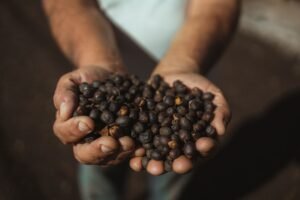
Kona coffee beans offer many of the familiar pleasures and potential benefits people associate with coffee. Like other coffees, they contain caffeine, which can support alertness and help many people feel more awake and focused in the morning or during an afternoon slump. The amount of caffeine in a cup can vary with the bean, roast, brewing method and serving size, so it is wise to adjust your intake to what feels comfortable for you.
Coffee also contains naturally occurring antioxidant compounds, including chlorogenic acids. These compounds are part of the coffee bean itself and are one reason coffee can have a place in a balanced eating pattern for many adults. Still, Kona coffee is not a cure-all or a substitute for nutritious meals, sleep, exercise or medical advice. People who are sensitive to caffeine, pregnant, managing certain health conditions or taking medications should consider guidance from a healthcare professional.
Among the most enjoyable Benefits of Kona coffee beans is their flavor. A well-grown and freshly brewed Kona often has a smooth, balanced character, with notes that may suggest chocolate, nuts, caramel or gentle fruit. Its mild acidity and clean finish can make it satisfying to drink black, or with only a small splash of milk. For some drinkers, that means less need for added sugar, flavored syrups or heavy cream.
Preparation matters, too. A large, sweetened specialty drink will have a very different nutritional profile from a modest cup of black coffee. Pay attention to portion size, add-ins and the time of day you drink it, especially if caffeine affects your sleep. When enjoyed thoughtfully, Kona coffee can be both a flavorful daily ritual and a simple way to enjoy the familiar lift of a good cup.
Choosing, Brewing and Enjoying Your Kona Coffee
Choosing, Brewing and Enjoying Your Kona Coffee
When shopping for Kona coffee, start with the label. If you want the full regional experience, look for wording that clearly states 100% Kona coffee. Products labeled simply as “Kona blend” can contain only a small amount of Kona beans mixed with coffees from other places. Clear origin details, a named farm or estate, a roast date and information about the producer are all useful signs that you are buying from a transparent, quality-focused source.
Reputable Kona producers often share details about where and how their coffee was grown, processed and roasted. Those details are not just marketing, they can help you choose a coffee that suits your taste. A washed Kona may offer a clean, bright cup with gentle sweetness, while a naturally processed coffee can taste fruitier and feel fuller-bodied. Light and medium roasts tend to highlight the bean’s origin character, while darker roasts bring deeper notes of chocolate and toast.
Consider buying small bags from several farms rather than committing immediately to one large purchase. Try different roast levels and brewing methods, then take note of what you enjoy most. You may prefer a smooth medium roast from a drip brewer on busy mornings, or a more expressive light roast prepared as a pour-over when you have time to slow down.
From hand-picked cherries on Hawaii’s volcanic slopes to freshly ground beans in your kitchen, Kona coffee reflects many careful choices. Brew it with fresh water, drink it while it is at its most aromatic and take a moment to notice its balance of sweetness, brightness and body.
The takeaway: choose authentic 100% Kona coffee when possible, brew it thoughtfully and enjoy each cup as a small connection to the Big Island’s distinctive coffee country.


[…] What Does Pacamara Coffee Taste Like? […]
[…] Flavor Profile: What Does Mundo Novo Taste Like? […]
[…] 5. Tools for Preparing Caffè Latte […]