

Meet Maragogipe, the Coffee Bean That Stands Out
Meet Maragogipe, the Coffee Bean That Stands Out
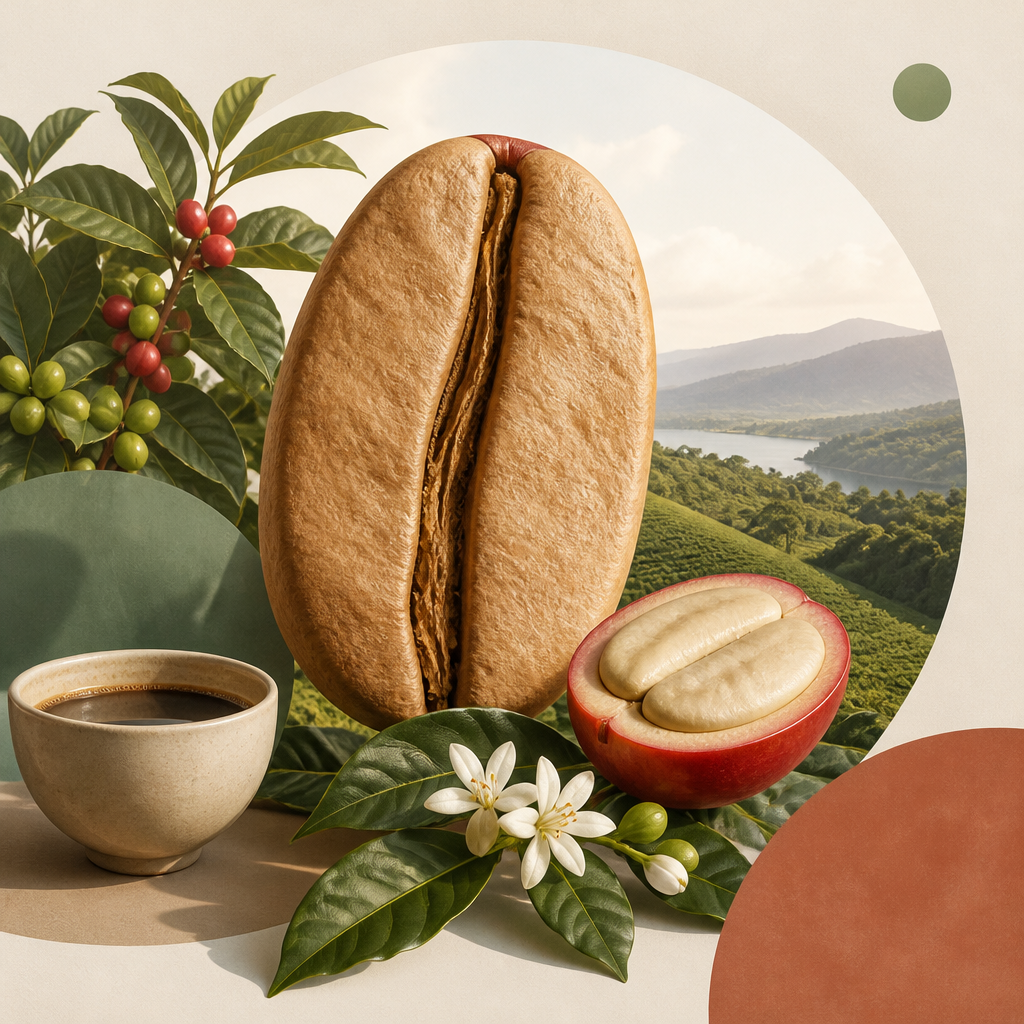
Some coffee beans make an impression before they ever reach the grinder. Maragogipe, pronounced roughly “mah-rah-go-HEE-pay,” is one of them. This rare Arabica variety is famous for its exceptionally large beans, which can look almost oversized beside a typical coffee bean. That unusual appearance has earned it the memorable nickname “elephant bean.”
But Maragogipe is more than a novelty coffee with a dramatic shape. Its large size does not automatically mean a stronger, richer or better cup. In coffee, quality depends on many details, including where the plants grow, how ripe cherries are picked, how the beans are processed and roasted, and how the coffee is brewed. A carefully grown Maragogipe can offer a beautifully gentle, aromatic cup, while a poorly handled one may not live up to its visual appeal.
For many coffee drinkers, that gentle character is exactly what makes Maragogipe worth seeking out. It is often described as smooth, mild and balanced, with flavors that may lean toward chocolate, nuts, caramel, fruit or soft floral sweetness. The exact experience changes from one origin and roast to another, so each bag can tell a slightly different story.
Maragogipe also has a fascinating journey behind it. It began as a natural Arabica mutation in Brazil and later found its way to farms across Latin America. Along the way, its distinctive plant traits, lower yields and careful growing requirements helped make it a less common choice than mainstream coffee varieties.
In the sections ahead, we will explore Maragogipe’s origins, what makes its beans different, and the cultivation of Maragogipe coffee beans. You will also learn how to prepare Maragogipe coffee beans for the best results, along with the potential benefits of Maragogipe coffee beans for curious coffee lovers.
Where Maragogipe Coffee Comes From
Where Maragogipe Coffee Comes From
Maragogipe began as a natural mutation of Typica, one of the oldest and most influential Arabica coffee varieties. It was first identified in the nineteenth century near the town of Maragogipe in Bahia, Brazil, which gave this distinctive coffee its name. The mutation produced trees and beans that were noticeably larger than typical Arabica, catching the attention of growers looking for unusual plants to cultivate.
From Brazil, Maragogipe gradually made its way to other coffee-producing countries. It has been grown in Guatemala, Mexico, Nicaragua and Colombia, as well as several parts of Central America. In some places, it became a small but valued part of local specialty coffee production. Guatemala, in particular, has earned a reputation for producing memorable examples, though excellent lots can come from many origins.
Still, Maragogipe is not defined by its name or bean size alone. Like any coffee, its character changes with the place where it is grown. Higher elevations often slow cherry development, which can help create more complex sweetness and acidity. Soil composition affects nutrition available to the tree, while rainfall and temperature influence how evenly the fruit ripens.
Processing after harvest also matters. Washed Maragogipe coffees may taste especially clean and bright, allowing delicate floral, citrus or nutty notes to stand out. Natural or honey-processed lots can lean toward a fuller sweetness, with fruitier or caramel-like flavors. A Maragogipe from Mexico may therefore taste quite different from one grown in Colombia or Nicaragua.
For coffee drinkers, this makes origin information worth checking on the bag. Knowing the country, farm, elevation and process provides useful clues about what may be waiting in the cup.
What Makes Maragogipe Beans So Different
What Makes Maragogipe Beans So Different
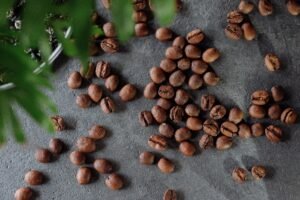
The first thing most people notice about Maragogipe is its size. The beans are dramatically larger than those of typical Arabica coffees, which is why this variety earned the nickname “elephant bean.” They can look impressive in the bag, but their unusual appearance is more than a novelty.
Maragogipe beans tend to have a more porous structure and lower density than many standard Arabica beans. In simple terms, they are often less compact inside. That affects the way they absorb and release heat during roasting, as well as how they develop flavor. Large size does not automatically mean a better cup, but it does mean the coffee needs to be handled with care from the roastery onward.
Roasting is especially important. If a roaster uses the same settings designed for smaller, denser beans, Maragogipe may heat unevenly. The outside can develop too quickly while the interior lags behind, creating a roast that tastes baked, flat or inconsistent. Skilled roasters typically adjust the roast profile, allowing enough time for heat to move through the bean without losing its gentle sweetness and delicate aromatics.
Its rarity also comes down to farming. Maragogipe trees are generally less productive than many varieties grown for commercial efficiency. A farmer may harvest fewer coffee cherries from the same amount of land, while still needing to provide careful picking, processing and plant care. That lower yield makes it harder for growers to produce in large volumes.
As a result, Maragogipe is not the everyday coffee found on every supermarket shelf. Its oversized beans, particular roasting needs and limited production help make it a distinctive find for curious coffee drinkers.
Flavor Profile: What Does Maragogipe Coffee Taste Like?
Flavor Profile: What Does Maragogipe Coffee Taste Like?
Maragogipe is often appreciated for a cup that feels calm rather than forceful. It is typically smooth, mild and well balanced, with soft acidity and a lighter body than many bold, heavy coffees. Instead of hitting the palate with intense bitterness or roastiness, a good Maragogipe coffee tends to unfold gently, making its subtler details easier to notice.
Common tasting notes include milk chocolate, toasted nuts and caramel-like sweetness. Depending on where it was grown and how it was processed, you may also find fruit notes, such as citrus, berries or stone fruit, alongside a delicate floral sweetness. Some lots lean toward a clean, cocoa-forward profile, while others can be brighter and more aromatic.
Origin makes a real difference. A Maragogipe from higher elevations in Guatemala, for example, may show more lively fruit and floral character, while beans from another region might taste rounder, nuttier or more chocolatey. Roast level matters too. A medium roast often preserves the variety’s sweetness and nuance, whereas a darker roast can add deeper caramelized flavors but may cover its more delicate qualities.
This is a coffee that can appeal to drinkers who prefer an approachable, less aggressive experience. If very dark, smoky or sharply acidic coffees are not your favorite, Maragogipe may be a pleasant alternative. Its gentle profile also makes it a rewarding choice for slow morning brewing, when there is time to notice the aroma, sweetness and changing flavors as the cup cools.
That said, “mild” should not be mistaken for bland. At its best, Maragogipe offers quiet complexity: a refined coffee whose charm lies in balance, softness and small details rather than sheer intensity.
Cultivation of Maragogipe Coffee Beans
Cultivation of Maragogipe Coffee Beans
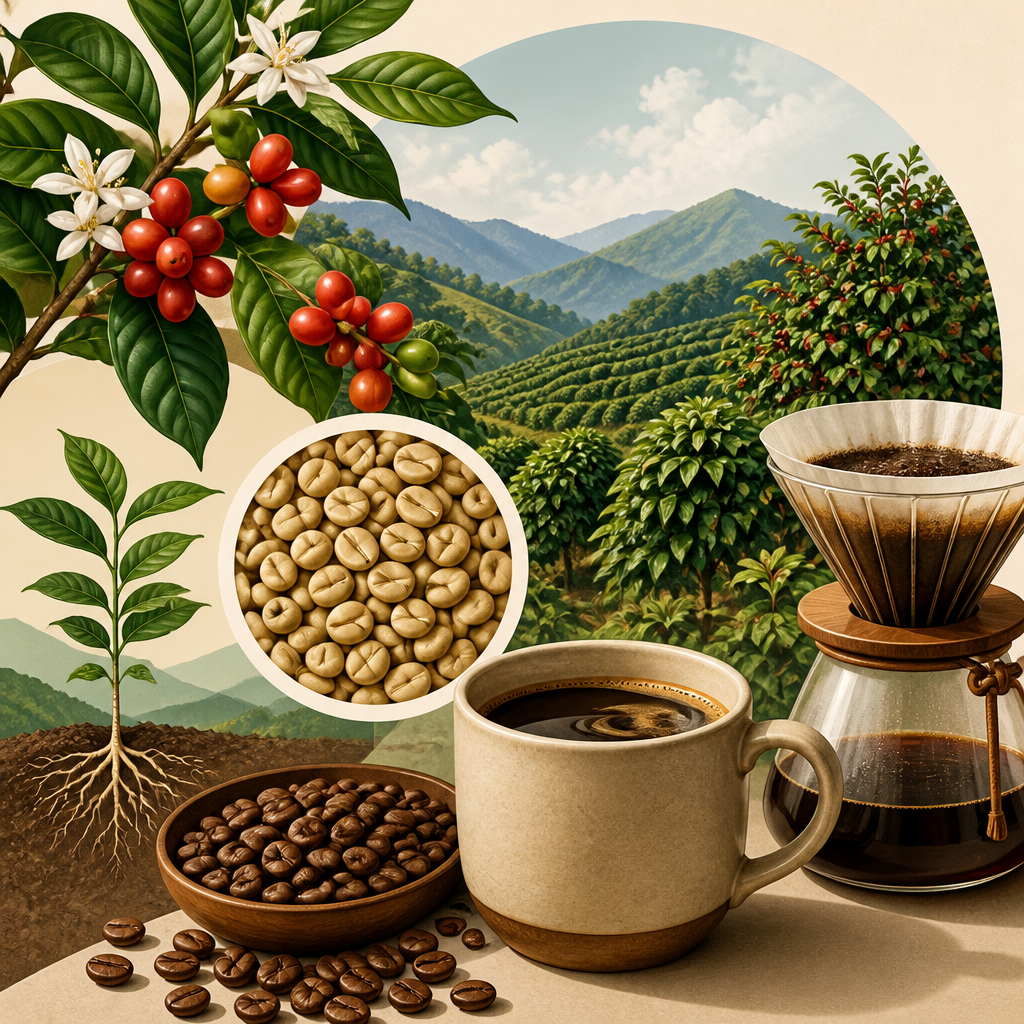
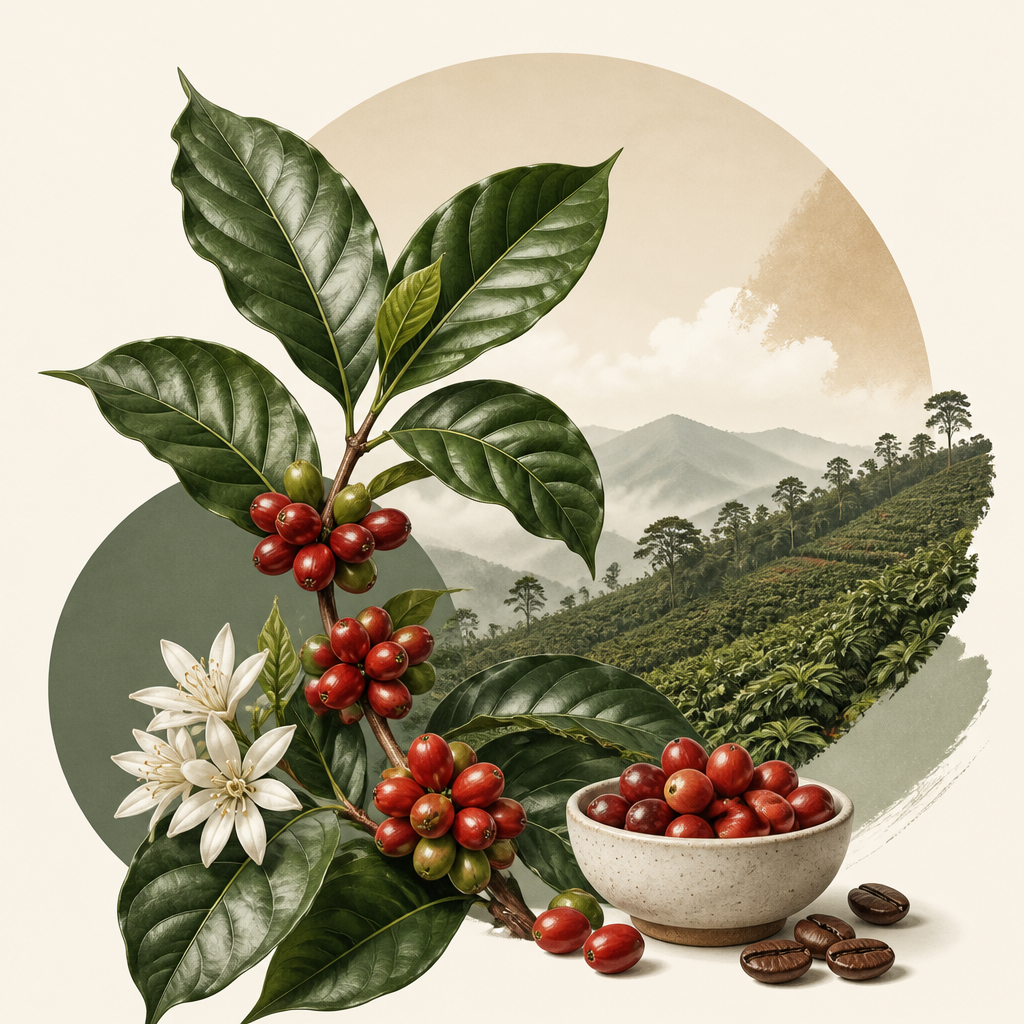
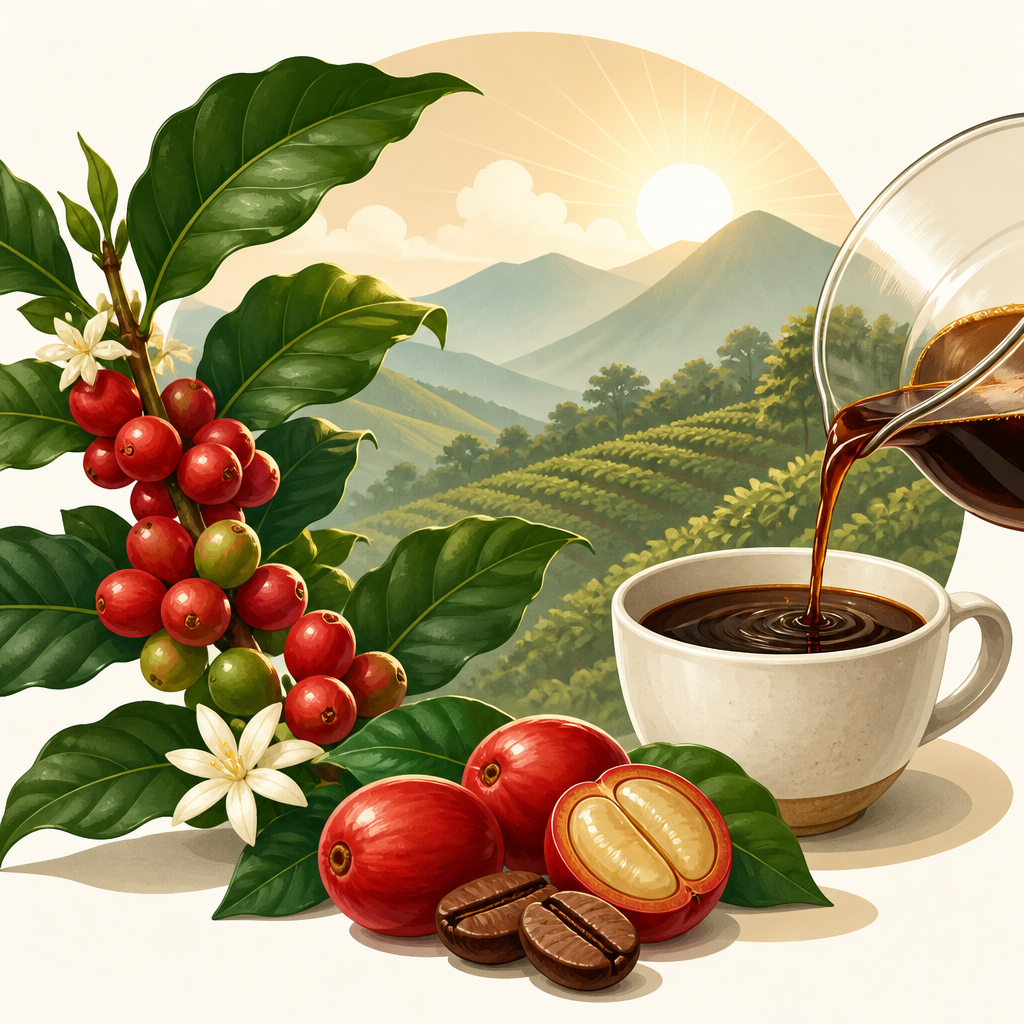
The cultivation of Maragogipe coffee beans calls for patience and close attention. The trees are often tall, vigorous plants, recognizable by their notably large leaves and coffee cherries. Yet their impressive appearance does not necessarily translate into high output. Compared with many widely grown Arabica varieties, Maragogipe commonly produces smaller harvests, which gives farmers less coffee to sell from the same amount of land.
Like other quality Arabicas, it needs a favorable environment to thrive. Warm temperatures, dependable rainfall and fertile, well-managed soil help the trees grow steadily and develop healthy fruit. In many producing regions, higher elevations are especially valued. Cooler conditions at altitude can slow cherry maturation, allowing sugars and flavor compounds to develop more gradually. This can contribute to the refined sweetness and soft acidity often associated with a good Maragogipe cup.
Farm management matters throughout the season. Growers may need to prune tall trees, maintain soil health, manage shade where appropriate and watch carefully for pests and diseases. Coffee leaf rust and other plant health issues can be a concern, as they are across Arabica production. Regular monitoring helps farmers respond early and protect both the crop and its quality.
Selective picking is equally important for specialty-grade lots. Rather than stripping all cherries from a branch at once, workers pick ripe cherries at their peak, sometimes making several passes through the same area of the farm. This extra labor helps create a more consistent coffee, but adds time and cost.
Low yields, careful harvesting and detailed processing all help explain why Maragogipe can be harder to find, and often more expensive, than everyday Arabica. For many growers and roasters, though, its distinctive character makes that added effort worthwhile.
How to Prepare Maragogipe Coffee Beans
How to Prepare Maragogipe Coffee Beans
Maragogipe is best enjoyed when its delicate character has room to shine. Start with freshly roasted whole beans, ideally from a roaster that provides roast-date and origin information. Grind only what you need immediately before brewing. This simple step helps preserve the fragrant oils and subtle aromas that can be lost quickly after grinding.
A medium roast is a helpful starting point for most Maragogipe coffees. It usually brings forward gentle sweetness, soft chocolate or nut-like notes and mild fruitiness without covering up the bean’s natural personality. Very dark roasting can make any coffee taste more roasty and bitter, which may overwhelm the refined profile many people seek in this unusual Arabica.
For brewing, pour-over methods are an excellent choice when you want a clean, bright cup. A medium-fine, even grind and a slow, controlled pour can highlight clarity and floral or fruity details. A French press is another good option, especially for drinkers who prefer a fuller texture. Use a coarser grind there to reduce sediment and allow the coffee’s softer body to come through. Standard drip coffee makers also work well and offer an easy, reliable everyday method.
Use clean, fresh water and keep your grind consistent. For a modest starting recipe, try about 1 gram of coffee for every 16 to 17 grams of water, such as 18 grams of coffee with 300 grams of water. Then adjust from there. If the cup tastes thin, use a little more coffee or grind slightly finer. If it tastes too strong or dry, use less coffee or a coarser grind.
Because Maragogipe varies considerably by farm, processing method and roast, experimentation is part of the pleasure. Brew a small batch first, taste it without too much milk or sugar, and let its gentle complexity guide your next adjustment.
Benefits of Maragogipe Coffee Beans
Benefits of Maragogipe Coffee Beans
Maragogipe coffee beans offer many of the same natural qualities found in other Arabica coffees. They contain caffeine, which can help many people feel more alert and focused, along with naturally occurring antioxidant compounds. Still, it is best to think of Maragogipe as a pleasurable coffee choice rather than a health product. The effects of caffeine vary from person to person, and factors such as serving size, brewing strength, overall diet and individual sensitivity all matter.
One of the most appealing benefits of Maragogipe coffee beans is their character in the cup. Many drinkers enjoy its mild, smooth profile, especially when they want a coffee that feels less intense than a dark, heavy-bodied brew. Its gentle acidity and subtle notes of chocolate, nuts, caramel, fruit or flowers can make a daily cup feel more interesting without becoming overpowering.
Maragogipe can also be a rewarding choice for people who enjoy exploring specialty coffee. Since the variety is relatively low-yielding and often grown in smaller lots, buying it from a transparent roaster may help support farmers and producers who put extra care into cultivation, selective harvesting and processing. Look for roasters that identify the coffee’s country or farm of origin, processing method and roast level.
To experience its natural sweetness and aroma, try drinking Maragogipe black first, or use only a small amount of milk and added sugar. This does not make it inherently healthier, but it can make the bean’s delicate flavors easier to notice. A thoughtfully brewed cup is often the simplest way to appreciate what makes this giant bean so distinctive.
Why Maragogipe Is Worth Trying
Why Maragogipe Is Worth Trying
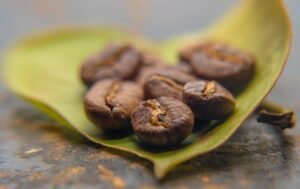
Maragogipe is worth seeking out because it offers more than an unusually large bean. This rare Arabica has a memorable history, beginning as a natural Typica mutation in Brazil and finding new expression in coffee regions across Central and South America. Its large size may catch the eye, but its gentle, refined character is what makes the coffee stand out in the cup.
Growing it is not always easy. Maragogipe trees can be vigorous, yet they often produce fewer cherries than higher-yielding commercial varieties. They also need attentive farming, selective harvesting and careful roasting to reach their potential. Those extra demands help explain why Maragogipe can be harder to find and sometimes costs more than a familiar everyday Arabica.
For many coffee drinkers, though, the reward is a smooth, approachable cup with soft acidity, mild body and layers of sweetness. Depending on where and how it was grown and processed, you may notice notes of chocolate, nuts, caramel, fruit or delicate florals. It can be an especially enjoyable choice for anyone who wants complexity without an intensely bitter or heavy coffee experience.
When shopping, look for reputable roasters that provide useful details on the bag. The country or farm of origin, processing method and roast level can offer helpful clues about what to expect. Freshly roasted whole beans are ideal, particularly if you plan to explore the coffee through a pour-over, drip brewer or French press.
Brew a small batch, taste it slowly and compare it with a familiar Arabica prepared the same way. The clear takeaway is simple: Maragogipe proves that a giant coffee bean can deliver a remarkably gentle, distinctive and rewarding cup.


[…] Cultivating Caturra Coffee Beans: What Farmers Need to Know […]