

What Makes a Cappuccino So Special?
What Makes a Cappuccino So Special?
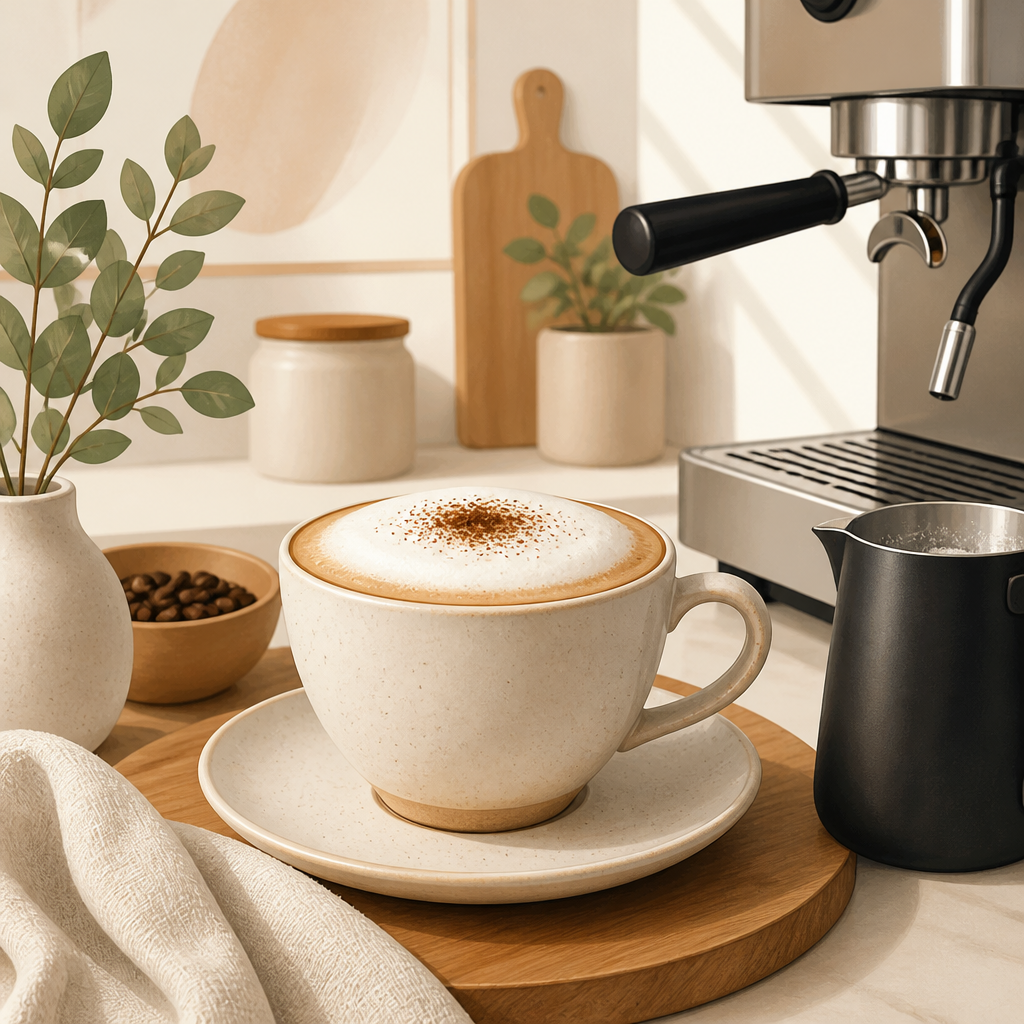
Few drinks make a morning, an afternoon break, or a quiet moment at home feel quite as inviting as a cappuccino. Served in a small cup, this café classic brings together three simple elements, bold espresso, warm steamed milk, and a soft cap of foam. The result is rich but not heavy, comforting yet lively, with coffee flavor that still has room to shine.
The cappuccino has Italian roots and takes its name from the Capuchin friars, whose brown robes were said to resemble the drink’s warm, milky color. It became a familiar part of Italian coffee culture before finding an enthusiastic audience around the world. Today, you can order one in nearly any coffee shop, but it is just as enjoyable to make in your own kitchen.
Part of its lasting appeal is the balance. Espresso provides depth and aroma, steamed milk adds gentle sweetness and body, and foam creates a light, velvety finish. A cappuccino can feel like a small everyday luxury without requiring a complicated recipe. It is also flexible enough to suit different tastes, whether you prefer a strong coffee-forward cup, a dairy-free version, or a dusting of cocoa or cinnamon on top.
This guide will help you get to know the character of this much-loved drink, from its classic proportions to the ingredients that make a difference. You will also find practical advice on Tools for preparing a cappuccino, approachable methods for making one at home, and simple ways to improve with practice. Along the way, we will explore the Benefits of Cappuccino, including its comforting ritual, customizable ingredients, and satisfying boost of coffee flavor.
Understanding the Classic Cappuccino
Understanding the Classic Cappuccino
At its most traditional, a cappuccino is built from three equal parts: espresso, steamed milk, and milk foam. The espresso provides the bold coffee foundation, the steamed milk softens its intensity, and the foam adds a light, velvety finish. Served in a relatively small cup, often around 5 to 6 ounces, the result should feel rich and balanced rather than overly milky.
The milk texture is a key part of the experience. A classic cappuccino has more foam than many other espresso drinks, but the best foam is not stiff or full of large bubbles. It should be smooth, creamy, and gently blended with the warm milk beneath it.
It is easy to confuse a cappuccino with other popular coffee shop drinks, though each has its own character:
- A latte contains more steamed milk and only a thin layer of foam, creating a larger, milder drink.
- A flat white is usually made with espresso and finely textured milk, with very little visible foam. It tends to taste stronger and smoother than a latte.
- A macchiato is primarily espresso “marked” with just a small spoonful or dash of foamed milk.
- A café au lait combines brewed coffee with hot milk, rather than espresso and steamed milk foam.
Still, coffee traditions are not fixed rules. In Italy, a cappuccino is often smaller and may be enjoyed in the morning. In other places, cafés may serve larger versions, use double espresso shots, or create thicker foam caps. Some people prefer a dry cappuccino with extra foam, while others enjoy a wetter style with more steamed milk.
The classic equal-parts formula is a helpful starting point, not a limit. Once you understand its balance, you can adjust the cup to suit your preferred coffee strength, milkiness, and texture.
The Ingredients Behind a Great Cup
The Ingredients Behind a Great Cup
A satisfying cappuccino begins with good coffee. Freshly roasted beans, ground just before brewing, produce an espresso with fuller flavor, a richer aroma, and a more appealing crema, the golden-brown layer that forms on top of a well-pulled shot. Pre-ground coffee can be convenient, but it loses fragrance quickly after opening. Choose beans you enjoy on their own, since their chocolatey, nutty, fruity, or caramel-like notes will still come through the milk.
Milk is just as important because it shapes the drink’s sweetness, body, and foam. Whole milk is a popular choice for cappuccino because its fat and protein content create a creamy texture and smooth, stable microfoam. Low-fat milk can also foam well, often making a lighter, airier cap, though it may taste less rich.
Plant-based options offer plenty of flexibility. Barista-style oat milk is widely loved for its creamy consistency and naturally mild sweetness. Soy milk can make good foam, although brands vary and some may separate when paired with very hot or acidic espresso. Almond, coconut, pea, and other plant-based milks can work too, especially versions labeled for barista use. Experimenting is the easiest way to find a milk that tastes and froths the way you like.
Do not overlook the water. Clean, cold, fresh water helps espresso taste clear and balanced, while water with strong mineral or chlorine flavors can dull the coffee. If your tap water has an unpleasant taste, filtered water may improve the cup.
Finally, toppings are optional but fun. A light dusting of unsweetened cocoa adds a classic café feel, cinnamon brings warm spice, and shaved or melted chocolate makes the drink more indulgent. Use them sparingly at first, so the espresso and carefully textured milk remain the stars.
Tools for Preparing a Cappuccino
Tools for Preparing a Cappuccino
The right setup can make homemade cappuccino easier and more consistent, but it does not have to be complicated or expensive. The most important tools are a reliable way to brew strong coffee and a way to heat and froth milk.
For a traditional result, an espresso machine is the main piece of equipment. It produces the concentrated espresso shot that gives cappuccino its bold coffee flavor. A burr coffee grinder is also highly useful, since freshly grinding beans just before brewing helps preserve aroma and flavor. If your espresso machine uses a portafilter, you will also need a tamper to press the ground coffee evenly into the basket.
A stainless-steel milk pitcher is ideal for steaming and pouring milk. Its narrow shape helps create smooth microfoam and gives you more control when adding milk to espresso. A thermometer is optional, but beginners may find it useful for avoiding overheated milk. Aim for warm, pleasantly sweet milk rather than milk that is steaming hot or scorched. Finally, choose a small cappuccino cup, usually around 5 to 6 ounces, to help maintain the classic balance of espresso, milk, and foam.
There are also practical alternatives among the many Tools for preparing a cappuccino at home. A moka pot can make rich, espresso-like coffee without a machine, while an AeroPress can produce a concentrated brew with a smooth taste. For milk, try a French press as a frother by pumping the plunger rapidly, a handheld electric frother, or even a tightly sealed jar. Shake warmed milk in the jar until foamy, then let it rest briefly before pouring.
While an espresso machine and steam wand offer the closest café-style experience, they are not essential. Focus first on a good coffee brewer and a dependable frothing method. With those two basics, you can make a comforting cappuccino with whatever equipment fits your kitchen and budget.
How to Prepare a Cappuccino Step by Step
How to Prepare a Cappuccino Step by Step
Learning How to prepare a cappuccino is mostly about timing. Have your cup, espresso, and milk ready to go, since the drink tastes best when served immediately.
-
Grind and brew the coffee. Use freshly ground coffee if possible. For a traditional cappuccino, pull a single or double espresso shot into a warmed cappuccino cup. A double shot gives a bolder coffee flavor, while a single shot makes a gentler drink. If you do not have an espresso machine, brew a small, concentrated coffee with a moka pot or AeroPress.
-
Prepare cold milk. Fill a milk pitcher only about one-third full. Cold milk gives you more time to create smooth foam before it gets too hot. Whole milk is often easiest for beginners because it creates a creamy texture, but many dairy-free milks can work well too.
-
Steam and texture the milk. Place the steam wand tip just below the milk’s surface to introduce a little air. You should hear a soft paper-tearing sound, not loud splashing. Once the milk expands slightly, lower the wand deeper to create a swirling motion. This blends the foam into silky microfoam and breaks up large, dry bubbles. Stop steaming when the pitcher feels very warm but still comfortable to touch, roughly 140 to 150°F, or 60 to 65°C. Milk that gets too hot can taste scorched.
-
Pour and finish. Swirl the milk pitcher gently, then pour the warm milk into the espresso. Finish with a rounded layer of foam on top. A classic cappuccino is close to equal parts espresso, steamed milk, and foam, though there is room to adjust.
For a stronger cup, use more espresso or less milk. For softer texture, make slightly less foam. Start with a smaller serving, practice one change at a time, and soon your preferred balance will feel natural.
Common Cappuccino Mistakes and Easy Fixes
Common Cappuccino Mistakes and Easy Fixes
If a cappuccino tastes weak, the espresso may be under-extracted or diluted by too much milk. Try a slightly finer grind, make sure you are using enough coffee in the basket, and avoid pulling an overly large shot. Freshly roasted beans also matter: coffee that has been sitting open for weeks can lose much of its aroma and depth.
Bitterness often points to the opposite problem. A grind that is too fine, an extraction that runs too long, or stale beans can produce harsh flavors. Try grinding a little coarser or stopping the shot sooner. As a general rule, espresso should taste concentrated and rich, not watery, sharply sour, or unpleasantly burnt.
Milk texture causes many beginner frustrations. Large, dry bubbles usually mean too much air was added while frothing. Keep the steam wand tip just below the milk’s surface only briefly, then lower it slightly to create a smooth swirling motion. If the milk seems thin, add a little more air at the beginning and give it time to blend into silky microfoam.
Scorched milk can taste flat, overly sweet, or cooked. Stop steaming before it becomes painfully hot to hold the pitcher, ideally around 140 to 150°F, or 60 to 65°C. Cold milk and a chilled pitcher give you more time to work.
Finally, watch the proportions. Too much warm milk and too little foam creates something closer to a latte. For a more traditional cappuccino, keep the espresso, steamed milk, and foam in roughly equal balance.
When improving your technique, change only one variable at a time, such as grind size, shot time, or milk temperature. Small, deliberate adjustments make it much easier to learn what creates your ideal cup.
Benefits of Cappuccino
Benefits of Cappuccino
A cappuccino can be a small but satisfying part of the day. Beyond its familiar coffee-shop flavor, it offers a comforting ritual: grinding coffee, warming milk, and taking a few quiet minutes to enjoy a freshly made drink. Whether it starts a busy morning or provides an afternoon pause, a warm cappuccino often feels like a simple moment of care.
One of the most noticeable Benefits of Cappuccino is its quick energy lift. Espresso contains caffeine, which may help you feel more awake and focused when you need a boost. The amount varies with the coffee, shot size, and preparation method, but a classic cappuccino is usually a moderate way to enjoy espresso rather than a very large coffee drink.
Milk also adds more than smooth texture. Dairy milk can provide protein, calcium, and nutrients such as vitamin B12, while fortified plant-based milks may offer calcium and vitamins as well. Whole milk creates the richest foam and mouthfeel, but low-fat, oat, soy, and other alternatives can suit different tastes and dietary needs. Checking the label is helpful, since nutrition and added sugar vary widely between products.
Making cappuccino at home can bring practical benefits too. Once you have a reliable brewing and frothing method, preparing your own cup is often less expensive than buying coffee from a café every day. You also control the ingredients: choose decaf or regular espresso, adjust the milk quantity, skip sweeteners, or add a light dusting of cocoa or cinnamon.
As with any caffeinated drink, the best amount depends on the individual. Some people enjoy cappuccino in the morning, while others may prefer decaf or avoid caffeine later in the day to protect their sleep. The goal is simple: make a cup that tastes good and fits comfortably into your routine.
Make Your Cappuccino Your Own
Make Your Cappuccino Your Own
A satisfying cappuccino does not need to be complicated. Start with fresh coffee, use milk that suits your taste, and aim for a smooth, gently foamy texture rather than a towering layer of stiff bubbles. From there, a little practice goes a long way. Each cup teaches you something about the grind, the espresso, the milk temperature, or the balance you enjoy most.
Once you feel comfortable with the basics, try making the drink your own. If you prefer a sweeter, dessert-like cup, add a small amount of vanilla, caramel, hazelnut, or chocolate syrup before pouring in the milk. A sprinkle of cinnamon, cocoa powder, or finely grated chocolate can add aroma without overwhelming the coffee.
For warmer days, make an iced cappuccino-inspired drink. Pull espresso over ice, add cold milk, and top it with cold foam or lightly frothed milk. It will not have the same traditional texture as a hot cappuccino, but it offers a refreshing way to enjoy the familiar coffee-and-milk combination.
Decaf espresso is another easy option for anyone who loves the flavor and ritual of cappuccino but wants less caffeine. Dairy-free milks also make the drink accessible to more preferences. Oat milk is often creamy and easy to froth, while soy, almond, coconut, and other plant-based choices each bring their own flavor and texture.
There is no single perfect cappuccino. Some people like a bold, short cup with a thick foam cap, while others prefer more milk and a softer coffee taste. Experiment with one change at a time, take note of what you enjoy, and let your routine evolve. The clear takeaway is simple: fresh coffee, well-textured milk, and your personal touch can turn an everyday cup into a favorite coffee shop comfort at home.