


Welcome to the World of Turkish Coffee
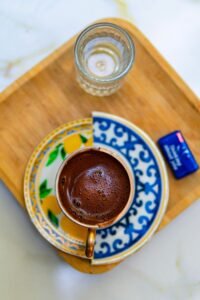
A small cup of Turkish coffee can fill a room with its deep, toasty aroma long before the first sip. Its surface is crowned with a delicate, velvety foam, while the coffee beneath is dark, rich and wonderfully intense. Served in an elegant little cup, it invites you to slow down. This is not a drink made for rushing out the door, but one to savor in a quiet moment or share around a table with good conversation.
Turkish coffee is beloved for its bold flavor and distinctive preparation, but it is also much more than a caffeine stop. Across Turkey and in communities around the world, making and serving coffee is a gesture of welcome, friendship and hospitality. It appears after meals, during family visits and in long conversations with friends. A glass of water, a small sweet and a carefully prepared cup can turn an ordinary pause into a meaningful ritual.
What makes this coffee especially memorable is its texture and character. The beans are ground extremely fine, then brewed slowly in water rather than pushed through a filter. This creates a full-bodied cup with a layer of grounds that settles at the bottom, along with the signature foam many coffee lovers look for.
In the sections ahead, you will discover the story behind this enduring tradition, from its roots in Ottoman coffee culture to its place in modern homes. You will also explore the essential Tools for preparing Turkish coffee, learn How to prepare Turkish coffee with confidence, and find simple ideas for serving it in a traditional style. Finally, we will look at the possible Benefits of Turkish Coffee, along with a few practical points to keep in mind.
What Makes Turkish Coffee Different?

What Makes Turkish Coffee Different?
Turkish coffee stands out because of its exceptionally fine grind. The coffee is ground almost to the texture of powder, much finer than the grind used for drip coffee and often finer than espresso. This ultra-fine texture gives each cup a deep, full body and a slightly velvety feel. It also creates the familiar layer of sediment that settles in the bottom of the cup.
Unlike filter coffee, Turkish coffee is brewed unfiltered. The grounds are mixed directly with water, gently heated, and poured into the cup together. They are not strained out before serving, so the last sip is usually best avoided. After a brief rest, the grounds sink to the bottom, leaving the coffee above them ready to enjoy.
Foam is another important part of the experience. As the coffee heats slowly in a cezve, a delicate foam rises to the surface. A good layer of foam is prized, both for its appearance and its smooth texture. The coffee is served in small cups, typically only a few sips each, which encourages people to slow down and appreciate its concentrated flavor.
Turkish coffee is less about grabbing a quick caffeine boost and more about taking a pause. It is often shared during visits, after meals, or alongside a sweet treat and conversation.
It differs from espresso, which is made by forcing pressurized water through finely ground coffee and has no grounds in the cup. Filter coffee uses a coarser grind and paper or metal filter for a cleaner, lighter drink. Greek coffee is very similar to Turkish coffee in method and style, though naming, regional customs, and serving preferences may vary.
A Short History of Turkish Coffee Culture
A Short History of Turkish Coffee Culture
Coffee reached the Ottoman Empire in the 16th century, likely through trade routes connecting Istanbul with Yemen and the wider Arab world. It quickly became more than an energizing drink. Prepared slowly in a cezve and served in small cups, coffee created a reason to pause, welcome guests and spend time together.
By the mid-1500s, Istanbul had its first coffeehouses. These lively gathering places brought together people from many walks of life for conversation, news, poetry, music and games. Storytellers entertained crowds with folktales and heroic tales, while friends debated daily events over cup after cup of richly brewed coffee. Coffeehouses became important community spaces, helping shape a social tradition that continues in homes and cafés today.
The cultural importance of this ritual received international recognition in 2013, when UNESCO added Turkish coffee culture and tradition to its Representative List of the Intangible Cultural Heritage of Humanity. The recognition celebrates not only the brewing method, but also the hospitality, shared experiences and customs surrounding each small cup.
A traditional serving often includes a glass of water, which refreshes the palate before or after coffee. Many hosts also offer a small sweet, such as Turkish delight, chocolate or a piece of confectionery, to balance the coffee’s deep, slightly intense flavor.
Then there is the playful custom of coffee fortune-telling. Once the cup is empty and the grounds have settled, some people turn the cup upside down onto its saucer. Friends may look at the patterns left by the grounds and invent lighthearted readings about love, travel or good luck. Whether taken seriously or simply enjoyed for fun, it is another reminder that Turkish coffee is made for sharing.
Tools for Preparing Turkish Coffee

Tools for Preparing Turkish Coffee
The traditional setup is simple, which is part of its charm. The key item is a cezve, also called an ibrik, a small pot with a narrow neck and a long handle. You will also need small demitasse-style cups, a teaspoon, cold water and coffee ground to an exceptionally fine, powder-like texture.
A long-handled cezve makes it easier to heat the coffee gently while keeping your hand safely away from the stove. Traditional models are often made from copper, usually lined with tin on the inside, or from brass. These materials conduct heat well, helping the coffee warm gradually and making it easier to watch the foam rise. Stainless steel cezves are also widely available and offer a practical, low-maintenance option for everyday use.
Among the useful Tools for preparing Turkish coffee, a good coffee grinder can make a real difference. Turkish coffee needs a grind even finer than espresso, almost like flour. Buying coffee labeled specifically for Turkish coffee is the easiest route, but a burr grinder capable of producing an extra-fine setting gives you the pleasure of grinding fresh beans at home.
A heat diffuser is another optional helper, especially on gas or powerful electric stoves. Placed between the burner and the cezve, it softens direct heat and reduces the chance of the coffee rising too quickly or scorching.
No cezve yet? A small saucepan or a narrow milk-warming pot can work for beginners. Choose one with a pouring lip if possible, use low heat and keep a close eye on the foam. You may not get the exact traditional shape or control, but you can still make a satisfying first cup while deciding whether this lovely ritual deserves a permanent place in your kitchen.
How to Prepare Turkish Coffee at Home
How to Prepare Turkish Coffee at Home
Learning How to prepare Turkish coffee is simple, but it rewards patience. Start by using your small serving cup to measure cold water, then pour the water into the cezve. Measuring this way helps ensure each cup is the right size and keeps the flavor balanced.
For every small cup of water, add one heaped teaspoon of extra-finely ground Turkish coffee. Do not stir after heating begins, but gently combine the coffee and water at the start. Sugar is added before brewing, never afterward, since it needs time to dissolve. Choose the sweetness that suits you:
- Unsweetened: no sugar, often called sade
- Lightly sweetened: about ½ teaspoon sugar per cup
- Medium sweet: about 1 teaspoon sugar per cup
- Sweet: 1½ to 2 teaspoons sugar per cup
Place the cezve over low heat. This slow heating is important because it allows the coffee’s signature foam to form without scorching the grounds. Watch closely as the surface begins to rise and a thick, dark foam gathers around the edges. Just before it reaches a full boil and spills over, remove the cezve from the heat.
Pour the coffee carefully into the cup, aiming to preserve as much foam as possible. If making more than one serving, spoon a little foam into each cup first, then divide the remaining coffee.
Let the cup rest for a minute or two before drinking. The fine grounds will settle at the bottom, creating Turkish coffee’s rich body and velvety texture. Sip slowly, enjoy the aroma, and stop before reaching the grounds.
Serving Turkish Coffee the Traditional Way
Serving Turkish Coffee the Traditional Way
Turkish coffee is traditionally served in small, handleless or demitasse-style cups because it is rich, concentrated and meant to be enjoyed slowly rather than quickly. A small serving also helps preserve the foam, which is an important part of the experience. There is no need to fill a large mug. One modest cup invites you to pause and savor the flavor, aroma and conversation around it.
A glass of fresh water is usually placed beside the coffee. Take a sip of water before the coffee to refresh your palate, especially after a meal or a sweet bite. You can also drink water afterward, but avoid adding it directly to the coffee. The contrast between cool water and the warm, intense coffee makes each sip feel clearer and more satisfying.
Something sweet is often served alongside the cup. Turkish delight is a classic choice, particularly varieties flavored with rose, lemon, pistachio or pomegranate. Small pieces of chocolate, dates, dried fruit, baklava or other delicate pastries also pair beautifully with the coffee’s deep, slightly bittersweet character. If the coffee is already sweetened, a lighter snack may be all you need.
When drinking Turkish coffee, sip gently and do not stir the cup after it has rested. Stirring lifts the settled grounds and can make the final sips gritty. Enjoy most of the coffee, then leave the thick layer of grounds at the bottom of the cup.
Turkish coffee is a lovely finish to a meal, but it also belongs at unhurried visits with friends and family. More than a drink, it creates a small moment for hospitality, conversation and connection.
Benefits of Turkish Coffee and Things to Keep in Mind
Benefits of Turkish Coffee and Things to Keep in Mind
Beyond its bold flavor and inviting ritual, Turkish coffee may offer a few welcome advantages when enjoyed as part of a balanced routine. Like other coffee drinks, it contains antioxidants, natural compounds that help protect cells from everyday oxidative stress. Its caffeine content can also provide a modest lift in alertness and focus, which is one reason many people enjoy a small cup after a meal or during an afternoon pause.
One distinctive feature is that Turkish coffee is unfiltered. Because the finely ground coffee remains in the cup, it retains certain natural coffee compounds that may be reduced when coffee passes through a paper filter. This gives Turkish coffee its rich body and character, though it is also a good reason to enjoy it in sensible amounts. The grounds themselves are not meant to be consumed, so leave the thick sediment at the bottom of the cup.
The Benefits of Turkish Coffee are not only nutritional. Preparing it slowly, serving it in a small cup and sharing it with someone can create a mindful break in a busy day. Rather than drinking coffee quickly on the go, the ritual invites you to pause, talk and savor a few quiet minutes.
As with any caffeinated drink, moderation matters. People who are sensitive to caffeine, pregnant, managing certain health conditions or taking particular medications may wish to ask a healthcare professional what amount is appropriate for them. Pay attention to how coffee affects your sleep, heart rate and comfort, especially later in the day. If you prefer sweet Turkish coffee, consider keeping added sugar modest so the cup remains a simple pleasure rather than an overly sugary treat.
Bring the Turkish Coffee Ritual Into Your Day
Bring the Turkish Coffee Ritual Into Your Day
Turkish coffee offers more than a strong, satisfying flavor. It creates a small pause in the day, one that invites patience from the moment you measure the water to the final slow sip. The ritual is simple, yet it can turn an ordinary coffee break into a moment of comfort, conversation and connection.
You do not need to master every tradition at once. Start with a simple cezve, fresh extra-finely ground coffee and a little attention to the heat. With practice, you will learn how quickly the foam rises, when to remove the pot from the stove and which sweetness level suits you best. Even an inexpensive small saucepan can help you begin if you do not yet have traditional equipment, although a cezve makes the process especially enjoyable.
Make the experience your own while respecting its roots. Try coffee unsweetened one day, then lightly sweetened the next. Serve it with a glass of cool water, and explore pairings such as Turkish delight, a square of dark chocolate, dates or a favorite biscuit. Share a cup after a meal, offer one to a guest or prepare it just for yourself when you want a quiet moment.
There is no need to rush Turkish coffee. Let the grounds settle, savor the rich aroma and leave the last sip in the cup. Whether enjoyed alone or with friends and family, it is a gentle reminder that small rituals can bring warmth to everyday life.
The takeaway is simple: slow down, prepare your coffee with care, share it when you can and enjoy every small cup.