
1. Meet Castillo Coffee
Meet Castillo Coffee
The next time you enjoy a sweet, balanced Colombian coffee, there is a good chance you may be tasting Castillo. This well-known Arabica variety is a major part of Colombia’s coffee landscape, valued not only for what it brings to the cup, but also for what it offers the people who grow it.
For coffee drinkers, the Castillo name can be a helpful clue when choosing beans. Well-grown Castillo often produces an approachable cup with notes that may lean toward caramel, chocolate, citrus or ripe fruit. It can be comforting and familiar, yet still offer plenty of character, especially when it comes from a high-quality farm and is carefully processed. That makes it a variety worth knowing whether you enjoy a simple morning brew or like exploring single-origin coffees.
For Colombian growers, Castillo has an even bigger meaning. Coffee farming can be risky work, and diseases such as coffee leaf rust can damage plants, reduce harvests and threaten family incomes. Castillo was developed to give farmers a more resilient Arabica option while maintaining the potential for good flavor and reliable production.
Specialty coffee fans may sometimes focus on famous varietal names, but Castillo deserves attention in its own right. It is not one fixed taste or a shortcut to quality. Elevation, soil, weather, harvesting and processing all shape the final result. A Castillo coffee from one Colombian region can taste remarkably different from one grown elsewhere.
In short, Castillo brings together practical agricultural research and enjoyable everyday coffee. Its story is rooted in Colombia, but its appeal reaches anyone who values a flavorful cup made possible by skilled farming and resilient plants.
2. What Is the Castillo Coffee Variety?
What Is the Castillo Coffee Variety?
Castillo is a cultivated variety, or cultivar, of Coffea arabica developed in Colombia by Cenicafé, the country’s National Coffee Research Center. It was created with Colombian coffee growers in mind, combining the qualities people enjoy in Arabica coffee with traits that can help farms cope with a major crop threat.
The variety takes its name from Jaime Castillo Zapata, a Colombian coffee researcher whose work contributed to the country’s efforts to improve coffee plants. Rather than appearing by chance, Castillo was the result of a long, careful breeding program. Cenicafé selected plants from the Colombia variety and Timor Hybrid lines, looking for offspring that could perform well in real farming conditions.
The Colombia variety had already been bred for resistance to coffee leaf rust, while Timor Hybrid is known for contributing useful disease-resistance genes. By working with these lines over multiple generations, researchers aimed to retain desirable Arabica cup qualities while strengthening the plant’s natural defenses.
Coffee leaf rust is a fungal disease that attacks leaves, reducing a plant’s ability to produce energy and, in severe cases, sharply cutting yields. For farmers, outbreaks can mean lower harvests, added costs and less reliable income. Castillo’s central purpose is to offer stronger resistance to this disease, helping growers maintain healthy, productive coffee trees.
That does not mean every Castillo plant is identical or that resistance replaces good farm management. Growing conditions, plant care and harvesting standards still matter greatly. But Castillo gives farmers an important tool: a quality-focused Arabica cultivar designed to be more resilient in the face of coffee leaf rust.
3. The Story Behind Castillo’s Development
The Story Behind Castillo’s Development
Coffee leaf rust is one of the most serious threats facing coffee farms. This fungal disease appears as yellow-orange, powdery spots on the undersides of leaves. As infected leaves fall, the coffee tree loses much of its ability to turn sunlight into energy. Yields can drop sharply, trees may become weakened and farmers can face major losses in income.
For a country where coffee supports many rural families, this was not simply an agricultural problem. It was a long-term challenge to farm livelihoods and to Colombia’s place as a producer of high-quality Arabica coffee. Growers needed plants that could better withstand rust without giving up the flavor qualities buyers and coffee drinkers value.
Researchers at Cenicafé, Colombia’s National Coffee Research Center, took on that challenge through years of careful breeding and selection. They worked with plants descended from the Colombia variety and Timor Hybrid, looking for combinations that offered strong resistance to coffee leaf rust, reliable productivity and appealing cup quality.
This process required patience. Disease resistance alone was not enough. A promising plant also needed to grow well in Colombian coffee regions, produce good harvests and deliver a sweet, balanced coffee when its cherries were picked and processed with care. Researchers evaluated many plants over time, selecting those that best met this practical mix of needs.
Castillo was released in the 2000s as the result of that work. It has since become widely planted across Colombia, giving many producers a useful option for renewing farms and managing rust pressure. Its development shows how agricultural research can support both coffee production and the quality of the coffee in your cup.
4. Cultivation of Castillo Coffee Beans
Cultivation of Castillo Coffee Beans
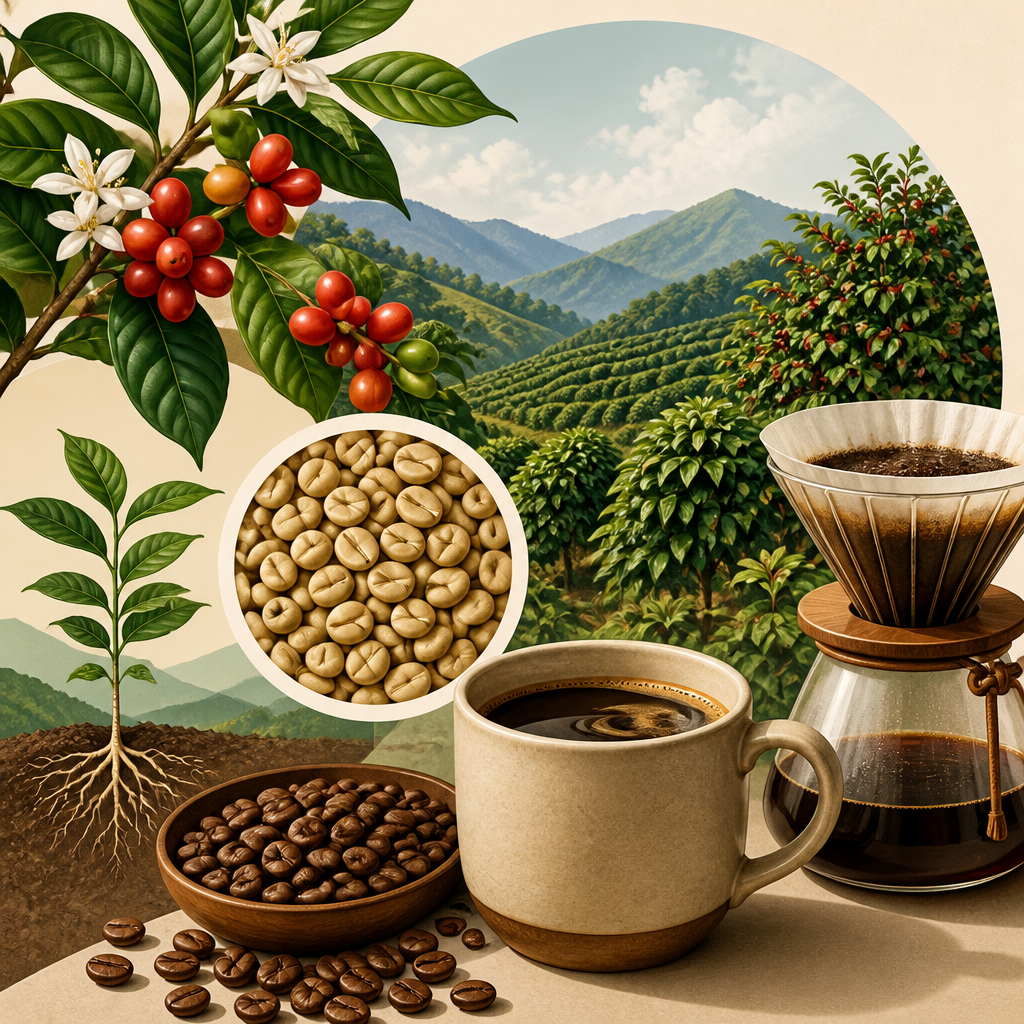
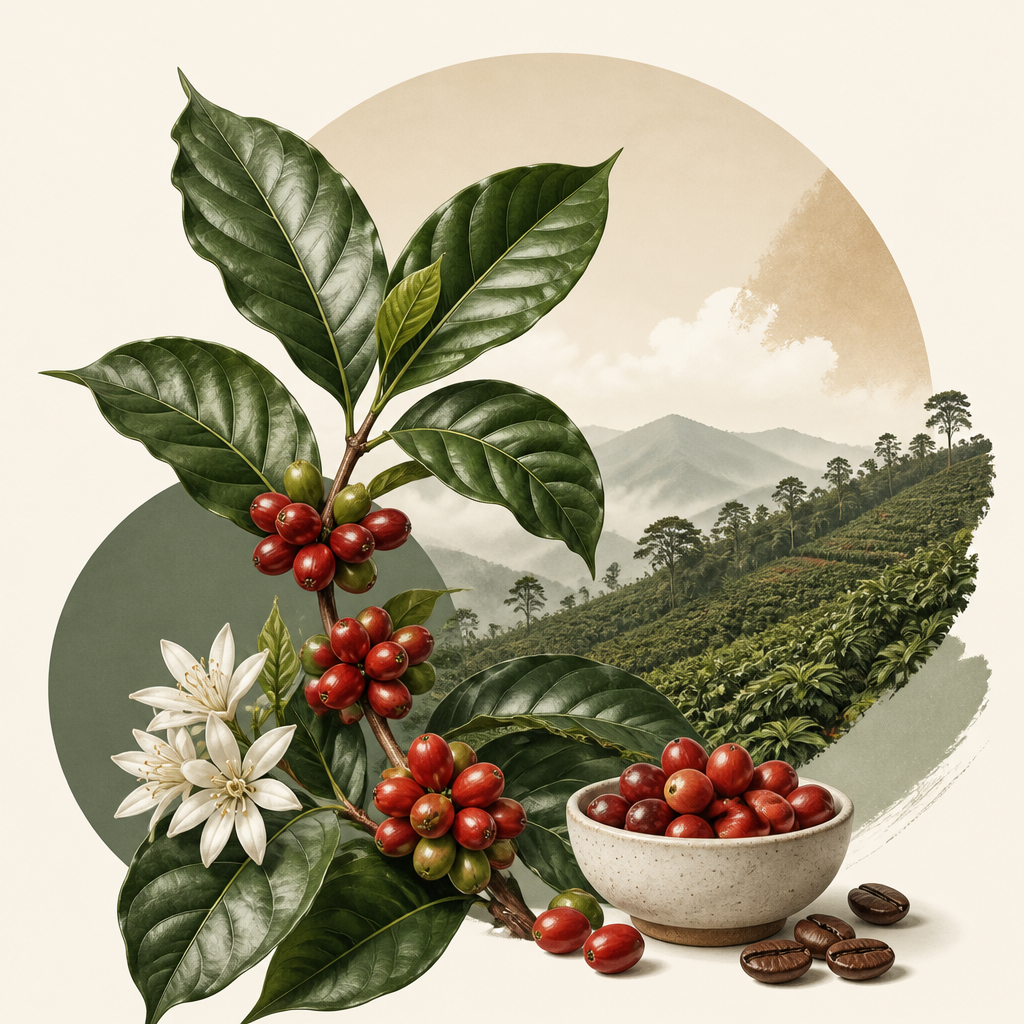
Like many Colombian Arabica coffees, Castillo thrives in the country’s mountain landscapes. It is commonly grown at high elevations, where mild temperatures allow coffee cherries to ripen gradually and develop more complex sugars. Reliable rainfall, well-drained nutrient-rich soils and a generally stable tropical climate also help create favorable conditions.
Colombia’s coffee regions vary greatly, however. Castillo can adapt across areas such as Huila, Nariño, Tolima, Antioquia and the Coffee Triangle, each with its own elevation, rainfall pattern and soil type. This flexibility is one reason it has become so useful to growers. Its resistance to coffee leaf rust can reduce one major production risk, while its productive potential can help farmers maintain dependable harvests.
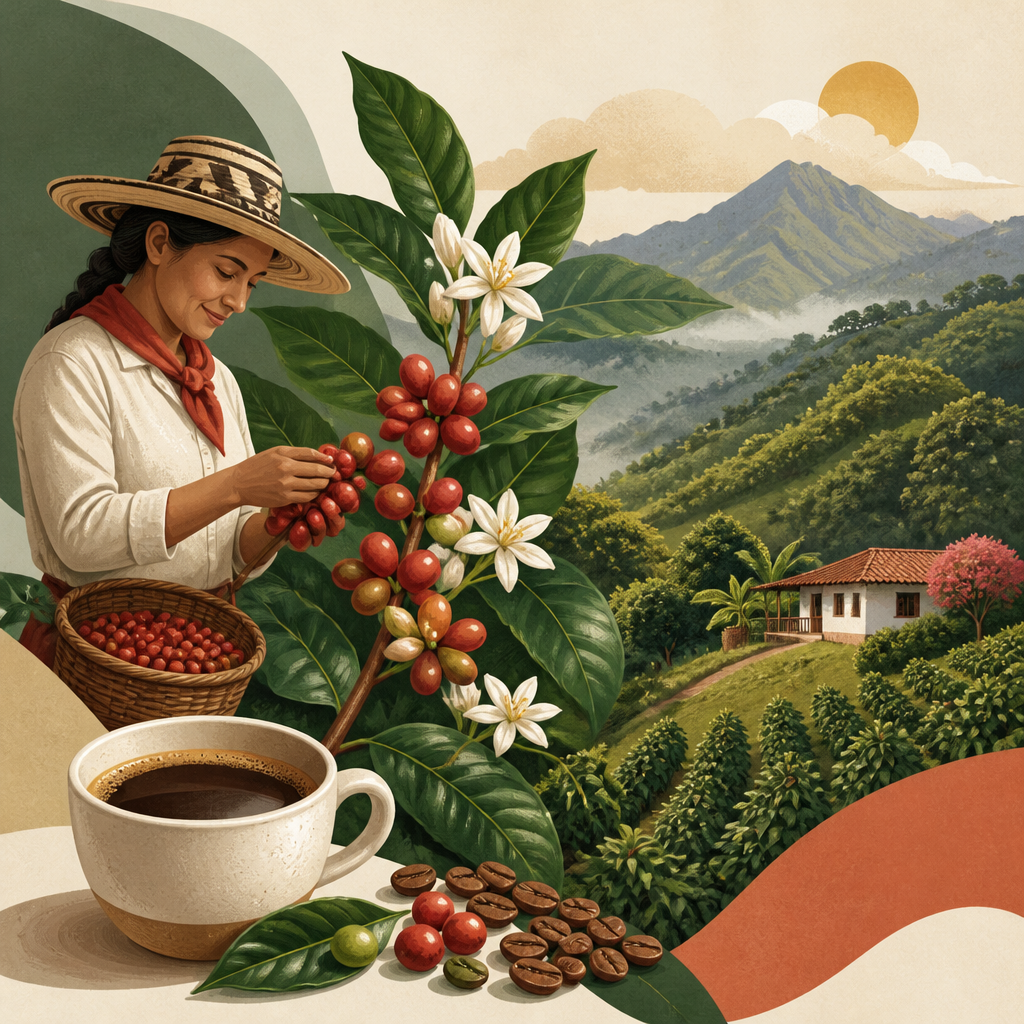
Still, resistance does not mean a Castillo plant can simply be left alone. Good cultivation remains essential. Farmers manage shade to balance plant health, ripen cherries at an even pace and limit excessive heat. They prune trees to improve airflow and encourage productive growth, apply fertilizer according to soil and plant needs, and monitor for pests and other diseases. Selective picking is equally important, since harvesting only ripe red cherries gives processors better raw material for a sweet, clean cup.
The Cultivation of Castillo coffee beans also shows why no two lots necessarily taste alike. A Castillo grown high on a cool hillside may offer brighter citrus or red-fruit notes than one grown at a warmer, lower site. Local microclimates, including sunshine, wind and rainfall, influence cherry development, while soil affects plant nutrition. After harvest, washed, honey and natural processing methods can further shift the flavor, from crisp and delicate to fuller, fruitier and more syrupy.
5. Flavor Profile: What Does Castillo Coffee Taste Like?
Flavor Profile: What Does Castillo Coffee Taste Like?
Those differences in growing place and processing help explain why Castillo is not defined by one narrow flavor. At its best, Castillo coffee can be sweet, balanced and highly approachable, with enough character to reward careful tasting.
Many cups show comforting notes of caramel, brown sugar and chocolate, especially in medium or medium-dark roasts. A well-grown Castillo from a higher Colombian elevation may also bring brighter flavors, such as citrus, red apple, cherry or other red fruits. Some lots have gentle floral tones that add a light, aromatic finish without overwhelming the cup.
In general, Castillo often has balanced acidity, a medium body and a clean, sweet aftertaste. Its acidity may feel like orange, mandarin or soft berry rather than sharp lemon. The body is commonly smooth and rounded, making it easy to enjoy black while still holding up well with milk.
Still, no two Castillo coffees taste exactly alike. Terroir matters: elevation, soil, temperature and rainfall all influence how the coffee cherry develops. Processing has a major role too. Washed Castillo coffees often taste crisp, clean and chocolatey, while honey-processed lots may feel sweeter and more textured. Natural processing can emphasize ripe fruit, jam-like sweetness and a fuller body. Roast level and brewing method then add another layer, with a lighter roast highlighting fruit and florals and a darker roast leaning into cocoa and caramel.
For many drinkers, Castillo has the familiar comfort of a classic Colombian coffee, with chocolatey sweetness and a smooth finish. Yet exceptional lots can offer the lively fruit, clarity and complexity associated with specialty coffee. Disease resistance does not prevent a coffee from being distinctive or high quality. With skilled cultivation, selective harvesting and thoughtful roasting, Castillo can be both practical for growers and genuinely exciting in the cup.
6. Benefits of Castillo Coffee Beans
Benefits of Castillo Coffee Beans
One of the clearest benefits of Castillo coffee beans begins on the farm. The variety was developed with stronger resistance to coffee leaf rust, a destructive fungal disease that can weaken plants, reduce harvests and put serious pressure on a grower’s income. Resistance does not make a farm immune to every problem, but it can give producers a more reliable starting point when rust is present in their region.
Castillo can also be productive and adaptable across many Colombian coffee-growing areas. When farmers combine healthy plants with good pruning, soil care, nutrition, shade management and careful harvesting, this potential can support more dependable production. For smallholder growers especially, a crop that is better able to cope with disease pressure may help reduce uncertainty from season to season.
For coffee drinkers, Castillo offers plenty to enjoy. Its balanced profile works well in many styles, from an easygoing chocolate-and-caramel cup to a brighter, fruit-forward specialty lot. It can suit filter brewing, espresso and milk-based drinks, making it a versatile choice for everyday coffee. Because it is widely grown in Colombia, Castillo may also be easier to find than some rarer varieties.
Choosing Castillo can be a meaningful way to support Colombian producers who are adapting to the realities of crop disease. Resilient varieties can help strengthen coffee supply chains by making production less vulnerable to widespread leaf rust losses. In turn, greater consistency can benefit farmers, roasters and customers alike.
Still, the sustainability story is not as simple as planting one variety. Castillo’s resilience is valuable, but responsible coffee production also depends on fair pay, soil health, water use, biodiversity, labor practices and long-term farm management. The best results come when a well-suited variety is part of a thoughtful farming system, rather than treated as a complete solution on its own.
7. How to Prepare Castillo Coffee Beans
How to Prepare Castillo Coffee Beans
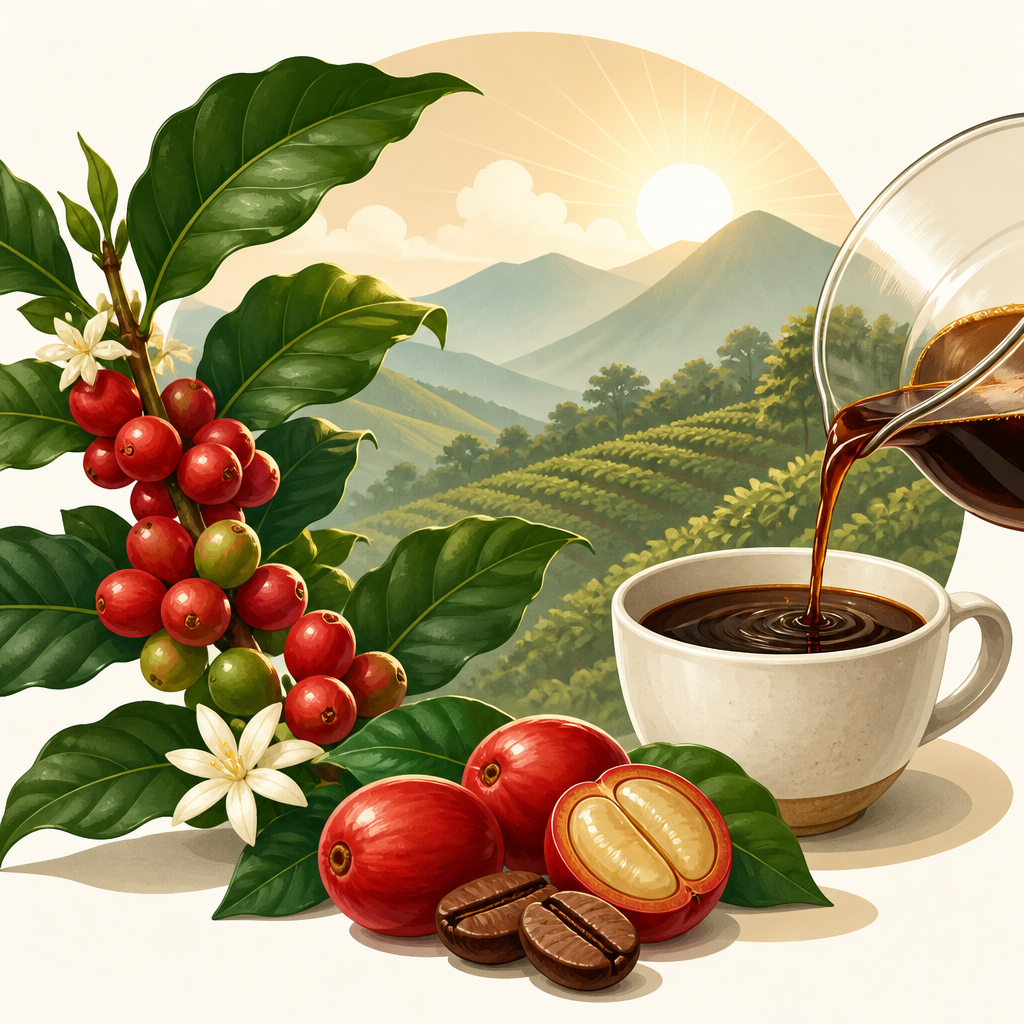
The best way to enjoy Castillo begins with freshly roasted whole beans, clean water and a burr grinder. Grinding just before brewing preserves more of the coffee’s aroma and sweetness, while a burr grinder produces more even particles than a blade grinder. That consistency makes it easier to brew a balanced cup.
A medium roast is an excellent starting point for Castillo coffee. It can highlight the variety’s familiar caramel, brown sugar, citrus and chocolate-like qualities without covering up its regional character with heavy roast flavors. If you enjoy brighter fruit notes, try a lighter medium roast. For a fuller, deeper cup, choose a medium-dark option.
For pour-over, use a medium-fine grind and start with a ratio of about 1 gram of coffee to 16 grams of water. For example, brew 20 grams of ground coffee with 320 grams of hot water. Water just off the boil, around 195 to 205°F (90 to 96°C), usually works well. Aim for a total brew time of roughly 2½ to 3½ minutes, then adjust the grind if the cup tastes too sour or too bitter.
For a French press, choose a coarser grind and use a similar ratio. Steep for about four minutes before pressing slowly. This method often emphasizes Castillo’s round body and chocolate or brown-sugar notes.
For espresso, begin with a fine grind and a recipe such as 18 grams of coffee yielding 36 grams of espresso in around 25 to 30 seconds. Small changes to grind size, dose and shot time can reveal more sweetness or fruit.
Try your first cup black, at least for a few sips, to notice its natural character. After that, milk or sweetener is entirely up to you. When buying beans, ask the roaster about the Colombian region, elevation, processing method and roast date. Those details offer useful clues about what will be in your cup.
8. Why Castillo Coffee Is Worth Discovering
Why Castillo Coffee Is Worth Discovering
Castillo coffee is worth discovering because it brings together two things that matter deeply in coffee: thoughtful agricultural innovation and a genuinely enjoyable daily cup. Developed in Colombia to help growers manage coffee leaf rust, this Arabica variety reflects years of research aimed at protecting livelihoods without giving up cup quality.
Its Colombian roots are central to its appeal. Castillo is grown across diverse regions, where altitude, rainfall, soil and local farming knowledge all shape the beans. For producers, its resistance to rust can offer a more dependable foundation for production, especially when it is supported by attentive farming practices. For coffee drinkers, it offers a versatile profile that can be comforting, lively or complex depending on where and how it was grown, processed and roasted.
One Castillo coffee might lean toward chocolate, caramel and brown sugar, making it an easy choice for a smooth morning brew. Another may show citrus, red fruit or delicate floral notes, particularly when grown at higher elevations or processed to highlight fruit character. This range is a good reminder that Castillo is not one fixed taste. It is a variety with plenty of room for regional expression.
If you have the chance, try Castillo beans from different parts of Colombia, such as Huila, Nariño, Tolima or Antioquia. Compare washed lots with natural or honey-processed coffees, and notice how each choice changes the aroma, acidity, sweetness and body.
The clear takeaway: Castillo coffee proves that a resilient, farmer-focused variety can also deliver a satisfying and distinctive cup. Every well-made brew connects careful research, skilled farming and the simple pleasure of taking time to enjoy good coffee.