

Meet Mundo Novo: The Coffee Behind the Name
Meet Mundo Novo: The Coffee Behind the Name
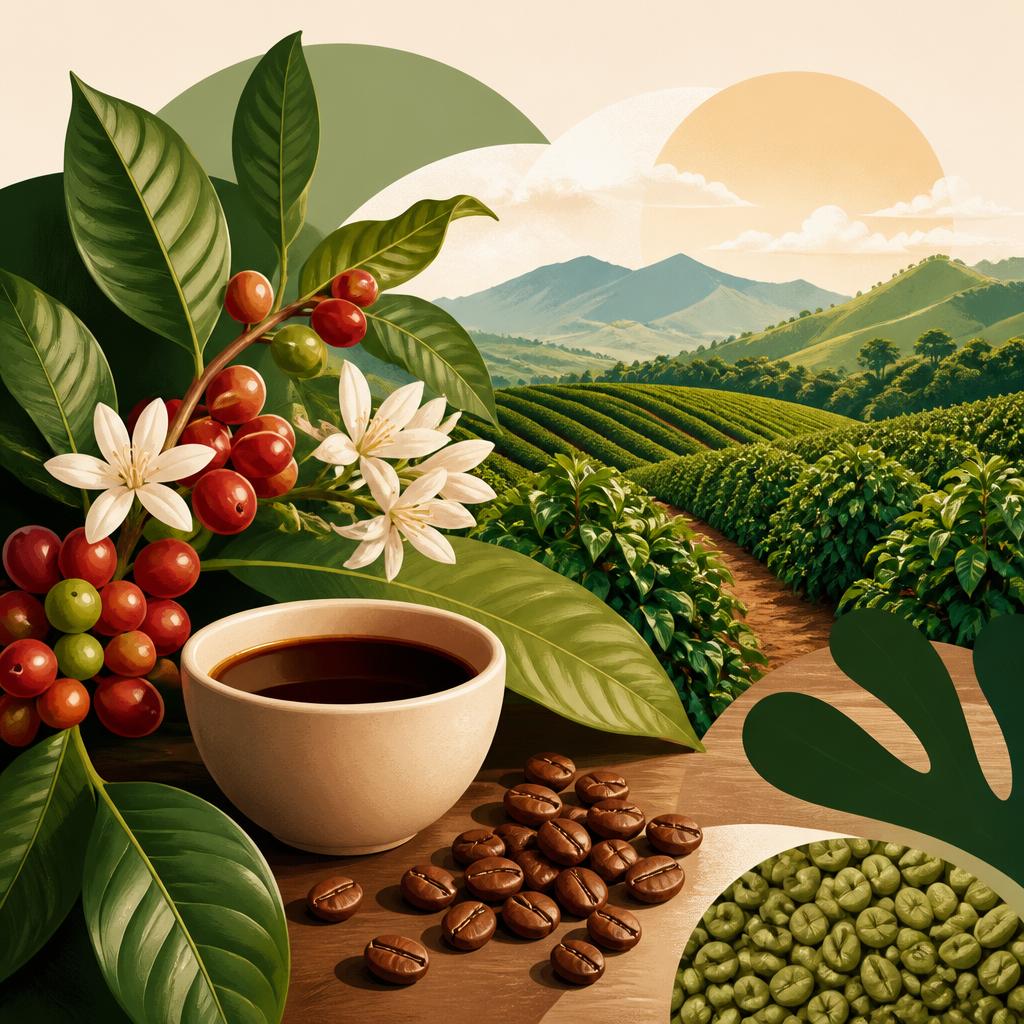
Some coffees win attention with rare origins or unusual tasting notes. Mundo Novo earns its place in the cup in a quieter, more dependable way. This classic Arabica variety has been an important part of Brazilian coffee culture for decades, valued both for the satisfying coffee it produces and for the strength it brings to the farm.
Named after the Brazilian area where it was first recognized, Mundo Novo is a coffee with a practical side and a pleasant personality. In the cup, it is often smooth, sweet, and comfortably balanced, with familiar hints of chocolate, caramel, nuts, or soft fruit. It may not always be marketed as the most exotic coffee on the shelf, but that is part of its appeal. Mundo Novo can make an approachable everyday brew while still offering enough character for coffee lovers who enjoy exploring origin, roast, and processing differences.
For farmers, its reputation comes from vigorous growth and strong productivity in suitable conditions. Those qualities helped Mundo Novo become a meaningful variety in Brazil, one of the world’s leading coffee-producing countries. For drinkers, they help support a steady supply of versatile Arabica coffee that works beautifully as filter coffee, espresso, or a milk-based drink.
Whether you are choosing beans for your kitchen, trying to understand a coffee label, or simply curious about the plants behind your morning cup, Mundo Novo is worth knowing. The sections ahead will explore where it came from, what it tastes like, how it is grown and processed, and how to brew it in a way that brings out its best qualities.
What Is Mundo Novo Coffee?

What Is Mundo Novo Coffee?
Mundo Novo is a variety of Coffea arabica, the species responsible for many of the world’s most valued coffees. It is not a processing style, a roast level, or a brand name. Instead, it describes the coffee plant’s genetic background, which influences how the tree grows, how much it produces, and the character of the beans it yields.
The variety originated in Brazil through a natural cross between two famous Arabica lineages: Typica and Bourbon. Typica is one of coffee’s oldest and most influential varieties, appreciated for its refined cup quality. Bourbon is also highly regarded, often associated with sweetness and a rounded body. Mundo Novo inherited useful traits from both parents, combining appealing flavor potential with a notably robust, energetic growth habit.
Its story began in the 1940s, when coffee plants with these characteristics were identified near the municipality of Mundo Novo in São Paulo state, Brazil. Researchers recognized the plants’ promise and began selecting and developing them for wider cultivation. The name Mundo Novo, meaning “New World” in Portuguese, came from the place where the variety was found.
Over time, Mundo Novo earned a strong reputation among Brazilian growers. The plants tend to be tall, vigorous, and productive under suitable conditions, making them a practical choice for farms seeking reliable yields. This combination of strength and output helped Mundo Novo become an important part of Brazil’s coffee landscape and contributed to the development of modern Arabica production in the country.
Today, it remains a classic variety rather than a passing trend. For farmers, Mundo Novo offers proven agricultural value. For coffee drinkers, it provides the genetic foundation for many balanced, satisfying cups, especially those with the gentle sweetness, body, and familiar chocolate or nut-like character often associated with Brazilian coffee.
Flavor Profile: What Does Mundo Novo Taste Like?
Flavor Profile: What Does Mundo Novo Taste Like?
Mundo Novo is often appreciated for a cup that feels immediately comforting and easy to enjoy. It commonly has a smooth, rounded body, moderate acidity, and a natural sweetness that keeps the flavor balanced rather than sharp or overly intense. Many coffees from this variety bring familiar notes of milk chocolate, caramel, roasted nuts, and brown sugar. Depending on where and how it was grown, you may also notice ripe fruit flavors, such as red berries, plum, or soft citrus.
That profile is not fixed. Coffee grown at higher elevations usually develops more slowly, which can bring extra sweetness, brighter acidity, and more distinct fruit character. At lower to medium altitudes, Mundo Novo often leans toward a fuller body and the classic cocoa, nut, and caramel qualities many people expect from Brazilian coffee.
Processing also makes a clear difference. Natural-processed Mundo Novo, where the cherry dries around the bean, can taste sweeter, heavier, and fruitier. Washed coffees are often cleaner and more crisp, with greater clarity in the cup. Honey processing may sit somewhere between the two, combining sweetness and body with a tidy finish.
Roasting shapes the final impression as well. A light roast can highlight delicate fruit and sweetness, while a medium roast often brings out the variety’s balance of caramel, chocolate, and nuts. With a darker roast, the cup may become richer and more cocoa-like, with a deeper roasted character.
Freshness matters, too. Recently roasted and properly stored beans retain more aroma and flavor, while stale coffee can taste flat or papery. Thanks to its dependable balance, Mundo Novo works beautifully as an everyday filter coffee, a full-bodied espresso, or a milk-based drink where its chocolatey, nutty sweetness can still come through.
Cultivation of Mundo Novo Coffee Beans

Cultivation of Mundo Novo Coffee Beans
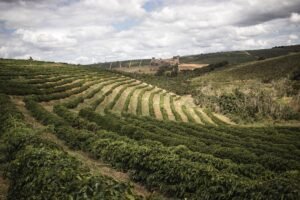
Mundo Novo has long been valued not only for its pleasant cup profile, but also for the practical qualities it brings to the farm. Like other Arabica coffees, it prefers a warm, frost-free climate with reliable rainfall, well-drained fertile soil, and enough sunshine to support steady cherry development. It is commonly grown at low to medium altitudes, where warmer conditions can help it produce generous crops.
Brazil is Mundo Novo’s historic home, and it remains closely associated with major Brazilian coffee-growing areas. Its combination of productivity and adaptability has also helped it travel to other coffee-producing regions with similar conditions, including parts of Latin America. Local climate, soil, elevation, and farm management all affect how well the variety performs.
The cultivation of Mundo Novo coffee beans requires room to grow. The plants are notably tall and vigorous, often reaching a larger size than more compact coffee varieties. That vigor can support strong yields, but it also means growers need to plan spacing carefully so trees receive adequate light and airflow. Regular pruning helps keep plants manageable, encourages productive growth, and can make harvesting easier.
Mundo Novo generally has good natural strength compared with some older, more delicate Arabica varieties. Still, “vigorous” does not mean maintenance-free. Farmers must monitor for common coffee pests and diseases, manage weeds and soil nutrition, and respond to shifting rainfall patterns, drought, excessive heat, or unexpected cold spells.
When the trees are healthy and cherries ripen evenly, Mundo Novo can reward careful work with a reliable harvest. Its farming strengths are a major reason this classic Brazilian variety has remained important for decades.
From Cherry to Green Bean: Processing Mundo Novo

From Cherry to Green Bean: Processing Mundo Novo
Once Mundo Novo cherries reach a deep, even red, the next steps have a major effect on what ends up in the cup. Many farms selectively harvest the ripest cherries, either by hand or through careful mechanical harvesting. Removing unripe, overripe, or damaged fruit helps protect sweetness and consistency before processing even begins.
With natural processing, whole cherries are spread out to dry in the sun or in mechanical dryers. The fruit remains around the seed as it dries, often giving Mundo Novo a fuller body, heavier sweetness, and ripe fruity notes. Because the cherries must dry evenly, they need regular turning and close attention to avoid unwanted fermentation or mold.
Washed processing takes a different route. The skin and much of the fruit are removed by pulping, then the beans are fermented and washed to clear away the remaining sticky mucilage. This approach can produce a cleaner, brighter cup, with more clarity in its chocolate, nut, or fruit character. It may also make the coffee feel lighter and more precise.
Honey processing sits between these methods. The cherry skin is removed, but some mucilage stays on the bean during drying. Depending on how much is left, the result can combine the sweetness and round body of a natural coffee with some of the cleaner character associated with washed coffee.
After drying, the coffee rests, then goes through dry milling. This removes the protective parchment layer from washed and honey coffees, or the dried husk from naturals. The green beans are then sorted by size, density, and visible defects.
Careful storage matters just as much. Green Mundo Novo beans should be kept dry, cool, and protected from moisture, strong odors, and temperature swings. Good processing and storage preserve the quality that roasting is meant to reveal.
Benefits of Mundo Novo Coffee Beans
Benefits of Mundo Novo Coffee Beans
For farmers, Mundo Novo has earned its long-standing place in coffee cultivation for practical reasons. The plants are notably vigorous and can produce generous yields when grown in suitable warm climates with good soil management. Their tall growth and productive nature can make them a dependable choice for established coffee regions, particularly in Brazil. Like every Arabica variety, Mundo Novo still needs attention to pruning, nutrition, pests, disease, and weather risks, but its overall strength and adaptability have made it valuable to many producers.
The benefits of Mundo Novo coffee beans are easy to appreciate in the cup, too. They commonly offer a balanced profile with a comfortable body, moderate acidity, and a pleasant natural sweetness. Depending on origin, processing, and roast, drinkers may find familiar notes of chocolate, caramel, roasted nuts, or soft fruit. This approachable character makes Mundo Novo a versatile everyday coffee: it can be satisfying as a simple filter brew, rich in espresso, and still clearly present when paired with milk.
Coffee may also offer general wellness benefits for some people. Its caffeine can support alertness and concentration, while coffee naturally contains antioxidant compounds. However, these effects vary with the person, serving size, brew method, and what is added to the cup. Those sensitive to caffeine, or with specific health concerns, should consider their own needs and seek professional guidance where appropriate.
Finally, choosing responsibly sourced, freshly roasted Mundo Novo can add another layer of value. Transparent information about farm origin, processing, and roasting date helps buyers make more informed choices. Fresh beans also give Mundo Novo its best chance to show its sweetness, aroma, and dependable character, while thoughtful sourcing can support quality-focused growers and more sustainable coffee practices.
How to Prepare Mundo Novo Coffee Beans
How to Prepare Mundo Novo Coffee Beans
To get the most from Mundo Novo, begin with freshly roasted whole beans and grind them immediately before brewing. Whole beans hold on to their aromatic oils far better than pre-ground coffee, so a fresh grind brings out the variety’s inviting sweetness, smooth body, and often chocolatey character. Store beans in an airtight container away from heat, light, and moisture, rather than in the refrigerator.
A medium roast is an excellent starting point for most people. It tends to preserve Mundo Novo’s balanced body and caramel, nut, and cocoa-like notes without hiding its natural sweetness. A lighter roast may reveal more ripe-fruit notes and gentle acidity, while a darker roast usually leans into deeper chocolate, toasted nut, and richer flavors. There is no single best choice, so it is worth trying different roast levels if available.
For simple filter coffee, use about 60 grams of coffee per liter of clean, filtered water, or roughly 15 grams for a 250 ml cup. Choose a medium grind and brew for around three to four minutes. A French press suits Mundo Novo’s fuller body: use a coarse grind, the same approximate ratio, and steep for four minutes before pressing slowly.
For espresso, use a fine grind and follow your machine’s recommended dose, often around 18 grams for a double shot. Mundo Novo’s sweetness and balanced structure can make a satisfying straight espresso or a dependable base for milk drinks. With pour-over brewing, use a medium-fine grind, pour water steadily, and aim for a total brew time of roughly two and a half to three and a half minutes.
The best approach to How to prepare Mundo Novo coffee beans is gradual adjustment. If the cup tastes sour or thin, grind finer, use a little more coffee, or extend the brew slightly. If it tastes bitter or harsh, grind coarser, reduce the brew time, or lower the dose. Small changes can help you find the cup that suits you best.
Why Mundo Novo Still Deserves a Place in Your Cup
Why Mundo Novo Still Deserves a Place in Your Cup
Mundo Novo has earned its lasting place in coffee culture for good reason. Born from a natural crossing of Typica and Bourbon in Brazil, it became valued not only for its dependable yields and vigorous growth, but also for the kind of cup many people enjoy returning to: smooth, sweet, balanced, and comforting.
For farmers in suitable warm growing regions, Mundo Novo can offer practical value through strong productivity and adaptability. For coffee drinkers, that agricultural reliability often translates into a widely available coffee with a pleasant body, moderate acidity, and familiar flavors such as chocolate, caramel, roasted nuts, and soft fruit. It can be easygoing enough for a daily filter coffee, yet rich enough to stand up well in espresso or a milk-based drink.
When shopping, look for Mundo Novo on a roaster’s label or product description. Some coffees may list it as the main variety, while others include it in a blend of Arabica cultivars. It is worth asking where the coffee was grown and how it was processed. A naturally processed Mundo Novo may lean toward fuller body and ripe fruit sweetness, while a washed lot can taste cleaner and more structured.
Trying the same coffee in more than one brewing method is also a simple way to discover its range. Brew it as a pour-over for clarity, use a French press for a rounder texture, or pull it as espresso to bring forward deeper chocolate and nut notes.
Mundo Novo may not always be the flashiest name on a coffee menu, but its Brazilian heritage, farming value, and reliably satisfying flavor make it a bean well worth seeking out.


[…] Cultivating Kona Coffee Beans […]
[…] 5. What Does Gesha Coffee Taste Like? […]