

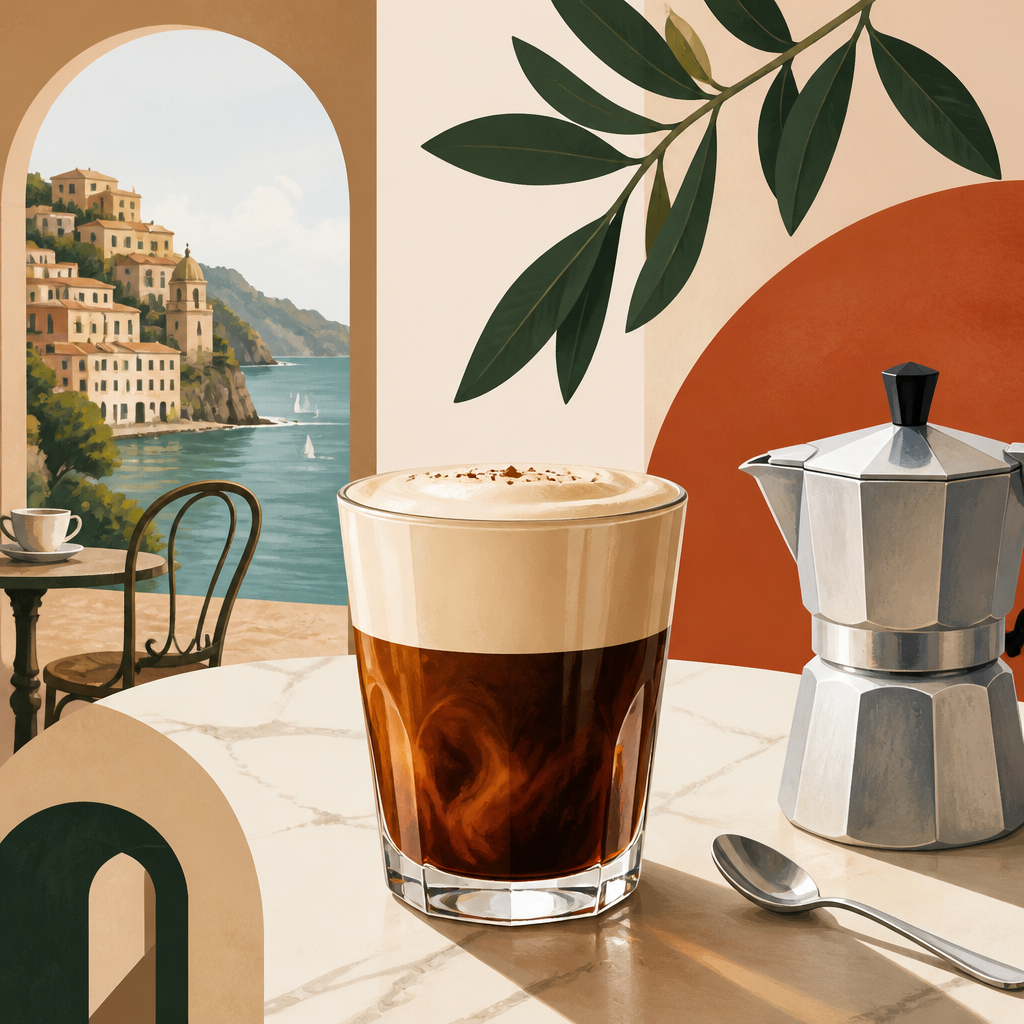
What Is Coffee Italienne?
What Is Coffee Italienne?
One small cup can say a great deal about a country. Coffee Italienne refers to coffee made, served and enjoyed in the Italian tradition, where quality, speed and simple daily ritual matter as much as the drink itself. It is most often associated with espresso: a short, intense coffee with a fragrant aroma, a velvety texture and a layer of golden crema on top.
Italian coffee is known for its concentrated flavor. Rather than a large mug to sip over an hour, it is commonly served in a small cup and enjoyed in a few satisfying moments. The Italian taste is often bold and rounded, with familiar notes of dark chocolate, toasted nuts, caramel and warm roast. A well-made cup should feel strong without being harsh, aromatic without being perfumed, and comforting without needing lots of extras.
In Italy, coffee is woven into the rhythm of the day. People may stop at a neighborhood bar for a quick morning espresso, meet someone for a short chat over coffee, or finish lunch with a caffè. It is both an everyday habit and a small pause, a simple pleasure that brings structure to busy routines.
Coffee Italienne is not limited to espresso, either. It includes beloved drinks such as cappuccino, caffè macchiato, ristretto and caffè lungo, each with its own character and customary moment in the day. Behind these drinks is a thoughtful preparation method (Italian style), built around fresh coffee, suitable heat, careful timing and attention to balance.
This guide explores the history and habits behind Italian coffee culture, the classic drinks worth knowing and the Italian-style preparation tools that make home brewing easier. You will also find practical tasting and brewing tips to help you create a cup that feels a little more Italian, wherever you are.
Coffee in Italy: More Than a Morning Drink
Coffee in Italy: More Than a Morning Drink
In Italy, coffee is woven into the rhythm of the day. A morning stop at the local bar for an espresso is a familiar ritual for commuters, shopkeepers and friends catching up before work. Later, a quick caffè after lunch provides a small pause and a welcome finish to the meal. Here, ordering “un caffè” usually means a single espresso, served in a small cup and enjoyed without fuss.
Italian coffee bars are social places, but the visit is often brief. Many customers drink standing at the counter, exchange a few words with the barista or a neighbor, then continue with their day. This is generally the most traditional and economical way to have coffee. Sitting at a table is perfectly acceptable, especially when meeting someone or taking a break, but it may come with table service and a higher price.
There are a few unwritten customs that visitors soon notice. Espresso can be enjoyed at almost any hour, while milk-based drinks such as cappuccino and caffè latte are most commonly chosen in the morning. After a meal, an espresso is often preferred for its compact, satisfying finish.
Still, Italian coffee culture is not identical everywhere. In Naples, coffee is often especially intense and richly roasted, while some northern cities may lean toward a slightly lighter, more delicate cup. Sugar habits, cup sizes and favorite drinks can vary from one region, household and bar to another. What connects them is the pleasure of a well-made coffee, taken as a simple daily moment rather than a rushed necessity.
The Italian Taste: Bold, Balanced and Comforting
The Italian Taste: Bold, Balanced and Comforting
Italian taste is often recognized by its full-bodied character, deep aroma and satisfying finish. Rather than aiming for a large, delicate cup, traditional Italian coffee tends to deliver a small but concentrated experience. A good espresso can feel intense without being harsh, with a pleasant balance between gentle bitterness, natural sweetness and a little acidity.
Many classic Italian blends are built around comforting roasted flavors. Think dark chocolate, cocoa, toasted nuts, caramel and sometimes a soft hint of spice. These notes work particularly well in espresso and moka coffee, where the short, concentrated brew brings body and aroma to the foreground. Blends containing robusta alongside arabica are also common in Italy, adding crema, strength and a fuller texture.
Traditionally, Italians have favored medium-dark to dark roasts. Roasting coffee a little further reduces bright acidity and develops those familiar chocolatey, smoky or nutty notes. Modern specialty coffee has broadened the picture, however. In many Italian cities, cafés and home brewers are now exploring lighter roasts that highlight fruitier aromas, floral notes and the distinct character of a bean’s origin. The Italian taste is evolving, even while its love of balance and drinkability remains.
The beans matter, but several small details shape the final cup. Freshly roasted, freshly ground coffee offers more fragrance and flavor than coffee that has sat open for weeks. Clean, good-quality water prevents unwanted mineral or chlorine tastes. Grind size must suit the brewing method: espresso needs a fine, even grind, while moka works best with one that is slightly coarser. Finally, serve coffee promptly in a warmed cup. Temperature affects aroma, crema and texture, so a coffee enjoyed at its best feels richer, rounder and more inviting.
Classic Italian Coffee Drinks to Know
Classic Italian Coffee Drinks to Know
Espresso is the foundation of Italian coffee culture. In Italy, ordering un caffè normally means a small espresso, served in a demitasse cup with a rich aroma, a concentrated body and a thin layer of crema. It is often enjoyed quickly at the bar, perhaps in the morning, after lunch or during a short break between errands.
Many familiar Italian drinks begin with this simple shot. A caffè macchiato is an espresso “marked” with a small amount of steamed milk or foam. It keeps the coffee-forward character of espresso while adding a touch of softness. A cappuccino combines espresso with steamed milk and milk foam, creating a creamier, gentler drink. Italians commonly have cappuccino at breakfast, often with a cornetto, rather than after a full lunch or dinner.
A caffè latte contains more milk than a cappuccino and is usually served in a larger cup or glass. It is smooth and mild, though visitors should remember that ordering “a latte” in Italy may simply bring a glass of milk. Ask for caffè latte to make your intention clear.
For a more concentrated experience, try a ristretto. It uses a similar amount of coffee to espresso but less water, producing a smaller, fuller sip. At the other end is a caffè lungo, an espresso extracted with more water for a longer, lighter-bodied cup.
Finally, caffè corretto is espresso “corrected” with a small splash of spirits, often grappa, sambuca or brandy. It is a warming choice, generally enjoyed after a meal. Each drink has its own character, but all begin with the Italian respect for coffee that is fresh, direct and served at the right moment.
The Preparation Method: Italian Style at Home
The Preparation Method: Italian Style at Home
The core preparation method (Italian style) is simple in principle: start with fresh coffee, use sensible proportions, control the heat and serve the drink without delay. The goal is not a large cup, but a concentrated coffee with a full aroma, balanced body and clean finish. Small details matter because coffee changes quickly once it is ground and brewed.
For espresso, use freshly roasted beans and grind them just before brewing. The grind should be fine and even, similar to fine sand, so the water passes through at a controlled pace. Add a consistent dose to the portafilter basket, distribute the grounds evenly and tamp with firm, level pressure. A crooked or uneven tamp can cause water to rush through one area, producing a thin or bitter shot.
Espresso extraction is brief, usually around 25 to 30 seconds, depending on the coffee and machine. Watch the flow: it should begin slowly, then pour in a smooth, honey-like stream. If it runs too fast, try a finer grind. If it drips very slowly or tastes harsh, the grind may be too fine or the dose too heavy.
A moka pot offers an approachable alternative for home coffee. Fill the lower chamber with fresh water up to, not above, the safety valve. Fill the basket loosely with medium-fine coffee, without pressing it down. Assemble the pot and place it over gentle to medium heat. When the coffee begins to flow, lower the heat and remove the pot as soon as the stream turns pale and sputters.
Pour moka coffee promptly into warmed cups. Like espresso, it tastes best when enjoyed right away, while its roasted aroma and Italian taste are at their most vivid.
Italian-Style Preparation Tools Worth Knowing
Italian-Style Preparation Tools Worth Knowing
The right equipment makes it easier to bring Italian coffee traditions into your kitchen. You do not need every gadget at once, but a few reliable Italian-style preparation tools can make a noticeable difference in flavor, consistency and enjoyment.
For espresso, the central tool is an espresso machine, which forces hot water through finely ground coffee under pressure. Pair it with a good grinder, a tamper for compressing the coffee evenly in the portafilter, and small demitasse cups that help preserve the drink’s heat and aroma. Thick-walled cups are especially useful because espresso is served in a small volume and cools quickly.
A burr grinder is one of the most worthwhile upgrades for home coffee. Unlike a blade grinder, which chops beans into uneven pieces, a burr grinder produces more uniform grounds. This helps water move through the coffee evenly, avoiding a cup that tastes both sour and bitter. Grind size matters: espresso needs a fine, powdery texture; moka pot coffee works best with a medium-fine grind; and filter coffee generally needs a medium to coarser grind. Adjusting the grind is often the simplest way to improve your brew.
A moka pot remains an essential and affordable choice for people who enjoy concentrated coffee without investing in an espresso machine. Keep its gasket and filter clean, and use it only with the grind suited to moka brewing.
If you want to practice milk-based drinks, a stainless-steel milk pitcher helps with steaming and pouring. A thermometer can be useful while learning, since overheated milk loses its natural sweetness. Other handy additions include a small digital scale for accurate dosing and a knock box for safely emptying used espresso grounds. These simple tools support a more confident, repeatable Italian-style coffee routine.
How to Make Your Coffee Taste More Italian
How to Make Your Coffee Taste More Italian
A more Italian-style cup begins with beans that suit the classic Italian taste. Look for espresso blends with notes of chocolate, caramel, toasted nuts, cocoa or a gentle hint of spice. Medium-dark and dark roasts are traditional choices because they create a full-bodied, comforting cup with a rich aroma and a pleasantly lingering finish. Many blends combine Arabica for fragrance and sweetness with a little Robusta for extra body and a stronger crema.
Small details make a noticeable difference. Preheat demitasse cups with hot water before pulling an espresso, then empty them just before serving. A warm cup helps preserve the coffee’s temperature, aroma and crema. If you make cappuccino or caffè latte, heat the milk carefully rather than letting it become too hot. Overheated milk can taste flat or slightly burnt, while properly steamed milk stays naturally sweet and silky.
Clean equipment is equally important. Coffee oils build up quickly in portafilters, baskets, moka pots and grinders, eventually making fresh coffee taste bitter or stale. Rinse removable parts after use, wipe the steam wand immediately after steaming milk and clean your machine according to its instructions.
Finally, drink espresso soon after brewing. Its crema, fragrance and balanced flavor are at their best in the first moments after extraction. There is no need to rush the experience, but it is worth enjoying the coffee while it is fresh and warm.
For a simple Italian-inspired ritual, pair a morning cappuccino with a cornetto, the soft Italian breakfast pastry. In the afternoon, espresso and a couple of biscotti make an easy, satisfying break. A small glass of water alongside espresso is another familiar touch: sip the water before the coffee to refresh your palate, then let the coffee take center stage.
Bring a Little Italian Coffee Ritual Into Your Day
Bring a Little Italian Coffee Ritual Into Your Day
Coffee Italienne is not only about owning an espresso machine or mastering a perfect crema. It is also about making space for a small, satisfying pause. In Italy, coffee often marks a moment in the day: a quick reset before work, a reason to step outside, or a familiar finish after lunch. That sense of rhythm is easy to bring into your own routine.
Start with a drink you already enjoy. If you like strong, direct coffee, make a short espresso or a moka pot caffè. If a smoother, milkier cup is more your style, try a morning cappuccino or caffè latte. There is no need to copy every Italian habit exactly. The goal is to borrow the spirit of the ritual and make it feel natural in your home.
As you practice the preparation method (Italian style), pay attention to small details. Try a slightly finer or coarser grind, adjust the amount of coffee, or change the heat under your moka pot. Notice how a warmed cup, clean equipment, fresh beans, and a prompt pour can improve both aroma and flavor. These simple adjustments help you discover the Italian taste you like best, whether that means bold and roasty or balanced and gently sweet.
The right Italian-style preparation tools can make the process easier, but they do not need to be elaborate. A dependable moka pot, a good grinder, or a basic espresso setup can support many enjoyable daily cups.
The clear takeaway is simple: good Italian-style coffee comes from care, curiosity, and a few well-chosen tools, then becomes even better when you take the time to enjoy it.