

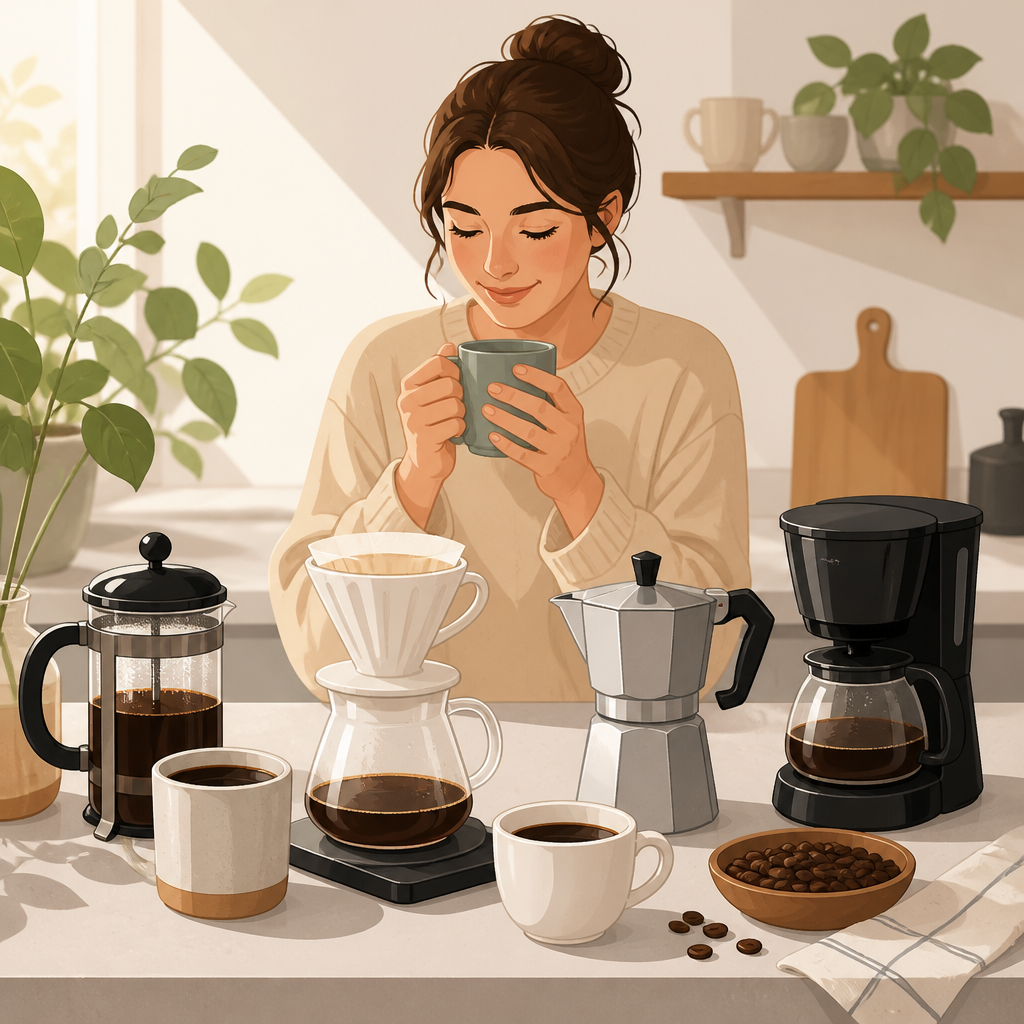
Normal Coffee: What Most People Mean by It
Normal Coffee: What Most People Mean by It
Ask for a “normal coffee” and most people will picture a comforting, familiar cup, not a complicated café creation with syrups, foams or unusual ingredients. It is the coffee people make before work, serve to guests or pick up when they simply want something reliable. The exact drink may differ, but the idea is usually the same: everyday coffee that is easy to recognise and easy to enjoy.
What counts as normal depends on where you are. In one home, it may be a mug of filter coffee served black. In another, it is instant coffee with a splash of milk and a spoonful of sugar. A café might understand it as an Americano, a brewed coffee or a straightforward espresso-based drink with milk. Some people like theirs strong and dark, while others prefer a gentler cup with plenty of cream.
There is no official recipe for normal coffee, and that is part of its appeal. It is less about following strict rules and more about making coffee in a familiar way that suits your routine. For many people, the preparation method: Normal coffee means using whatever is practical, whether that is a drip machine, kettle and filter cone, French press or jar of instant coffee.
The same goes for Preparation tools (Normal). A mug, fresh water, coffee grounds and a simple brewer are often all that is needed. You do not need expensive equipment or expert skills to make a satisfying daily cup.
This guide explores the basics behind dependable coffee, from brewing methods and useful tools to the balanced, comforting Normal taste many people look for. Along the way, you will find easy ways to adjust strength and flavour, so your ordinary coffee feels exactly right for you.
The Basics Behind an Everyday Cup
The Basics Behind an Everyday Cup
A reliable daily coffee begins with four simple essentials: coffee beans, water, grind size and brewing time. None needs to be complicated, but each one affects what ends up in your mug.
The beans provide the main flavour. Whole beans generally stay fresh longer than pre-ground coffee, though a bag of grounds can still make very good everyday coffee when it is stored well and used within a reasonable time. Look for coffee that smells pleasant and rich when you open it, rather than flat, dusty or stale.
Water matters more than many people expect because coffee is mostly water. Fresh, cold water from the tap is often fine if it tastes good on its own. If your tap water has a strong chlorine, mineral or metallic taste, filtered water can make the cup cleaner and smoother. There is no need for expensive bottled water or specialist equipment.
Grind size controls how quickly water takes flavour from the coffee. A medium grind suits many drip machines and filter brewers. French press coffee needs a coarser grind, while finer grounds are typically used for espresso-style brewing. Matching the grind to the brewer helps avoid coffee that tastes either thin and sour or harsh and bitter.
Brewing time is the final piece. Water needs enough contact with the grounds to develop flavour, but leaving it too long can bring out bitterness. Following the basic timing for your chosen brewer is a dependable place to start.
Roast level also shapes a normal coffee experience. Medium and medium-dark roasts are popular because they often feel balanced and approachable, with familiar notes of nuts, chocolate, caramel or toast. They usually offer enough richness without becoming overly smoky or intensely bitter. With reasonably fresh coffee, clean water and a consistent routine, a satisfying cup is well within reach.
Preparation Method: Normal Coffee at Home
Preparation Method: Normal Coffee at Home
The most common Preparation method: Normal coffee is simply the one that fits easily into your morning. A basic drip machine, a filter cone, a French press or even instant coffee can all make a comforting everyday cup. The aim is not to master a complicated ritual. It is to use a method you can repeat without much fuss.
As an easy starting point, use 1 to 2 tablespoons of ground coffee for every 180 ml of water, roughly one standard mug. Choose the lower amount for a lighter cup and the higher amount for a stronger one. If you prefer measuring by weight, about 10 to 12 grams of coffee per 180 ml of water is a useful guide. Adjust over time until the strength suits you.
With a drip coffee maker, add water to the reservoir, place the grounds in a filter and let the machine do the work. For a filter cone, put the filter over your mug or carafe, add the grounds, then slowly pour hot water over them. A French press is equally straightforward: add coffee and hot water, stir gently, wait around four minutes, then press the plunger slowly. For instant coffee, stir the recommended amount into hot water and serve.
In most cases, heat the water until it is very hot, ideally just off the boil, then brew for the time recommended by your chosen method. Pour the coffee, add milk, sugar or nothing at all, and enjoy.
Consistency matters more than advanced technique. Using the same scoop, mug, water amount and brewing time each day makes it easier to notice what you like and make small, useful adjustments.
Preparation Tools (Normal): Simple Equipment That Works
Preparation Tools (Normal): Simple Equipment That Works
The best Preparation tools (Normal) are usually the ones that fit easily into your routine. You do not need a crowded counter or expensive gadgets to make a satisfying everyday cup. A basic drip coffee maker, kettle, favourite mug, paper filters and a scoop can cover nearly everything most people need.
An automatic drip machine is a popular choice for busy mornings. Add water and ground coffee, press a button, and it brews while you get ready. It is especially useful for households that make several cups at once. For a little more control without much extra cost, try a manual pour-over cone. It sits over a mug or carafe, uses a paper filter, and lets you decide how quickly to pour the water. This can make brewing feel more hands-on while still remaining simple.
A French press is another reliable option. It needs only hot water, coarse grounds and a few minutes of steeping. Because the metal filter allows more natural coffee oils into the cup, French press coffee often feels richer and fuller-bodied than filter coffee.
Instant coffee is the quickest choice of all. A spoonful in a mug plus hot water creates coffee in seconds, with no filters or brewing equipment to clean. It may not offer the same depth as freshly brewed coffee, but it is practical for travel, work or rushed mornings.
If possible, a small grinder is a worthwhile addition. Grinding beans shortly before brewing can improve aroma and flavour, though pre-ground coffee is perfectly fine for a straightforward routine. Start with the tool that matches your daily habits, available space and budget. The easiest setup to use regularly is often the right one.
Understanding Normal Taste in Coffee
Understanding Normal Taste in Coffee
Normal taste in coffee usually means a balanced, familiar flavour. It is not sharply sour, overwhelmingly bitter or so strong that it feels difficult to drink. Instead, it is the kind of dependable taste many people expect from an everyday mug: warming, pleasantly roasted and easy to enjoy on its own or alongside breakfast.
The exact flavour will vary with the beans, roast and brewing method, but common notes include chocolate, nuts, toast and caramel. A medium or medium-dark roast often brings out these cosy flavours, with a mild sweetness and gentle bitterness. Some coffees also have a light fruitiness, perhaps like berries, apple or dried fruit. In a balanced cup, that fruitiness adds interest without making the coffee taste tangy or sour.
Milk, cream and sugar can also shape the experience. Milk softens bitterness and can make coffee seem smoother, while cream adds a richer, fuller body. Sugar boosts perceived sweetness and can round off roasted or bitter edges. These additions are not a way to “fix” coffee by default, they are simply part of how many people prefer to drink it. A black coffee may highlight the bean’s flavour more clearly, while a milky, sweetened cup can feel gentler and more comforting.
There is no single correct Normal taste. One person may enjoy a dark, toasty cup with a splash of cream, while another prefers a lighter coffee with mild fruit notes and no sugar. The best everyday coffee is one that feels balanced to you and that you genuinely look forward to drinking.
How Brewing Choices Change the Cup
How Brewing Choices Change the Cup
Small changes in brewing can make a familiar coffee taste noticeably different. Grind size is one of the biggest factors because it controls how quickly water pulls flavour from the grounds. If coffee is ground too fine for the chosen method, it can extract too much and taste harsh or bitter. If it is too coarse, water may pass through before enough flavour is extracted, leaving the cup weak, thin or unexpectedly sour.
Different brewing styles also shape the result. A standard drip coffee maker usually produces a clean, smooth cup that suits an everyday routine. A French press leaves more of the coffee’s natural oils in the drink, creating a richer body and fuller texture. Pour-over brewing, using a cone and filter, can produce a lighter, clearer cup where subtle notes, such as nuts, caramel or gentle fruit, are easier to notice.
Water temperature matters as well. Water just off the boil is generally a better choice than aggressively boiling water. Letting freshly boiled water rest for around 30 seconds can help prevent it from scalding the grounds and drawing out excessive bitterness. This is especially useful with lighter roasts and manual brewing methods.
When adjusting your coffee, change only one thing at a time. For example, try using a slightly finer grind before also increasing the amount of coffee or changing the brew time. This simple approach makes it easier to tell what improved the flavour. With a little trial and error, your daily Preparation method: Normal coffee can become reliably satisfying without becoming complicated.
Easy Fixes for Common Coffee Problems
Easy Fixes for Common Coffee Problems
Even a familiar daily cup can occasionally taste a little off. The good news is that most coffee problems have simple causes, and small adjustments are usually enough to improve the next brew.
If your coffee tastes weak, watery or lacking in flavour, try using slightly more ground coffee first. You can also use less water, or choose a somewhat finer grind so the water extracts more flavour from the grounds. Make one change at a time, then taste the result. A small adjustment can make a surprisingly noticeable difference.
If coffee tastes bitter, harsh or dry on the tongue, it may be over-extracted. Try a coarser grind, especially when using a filter cone or French press. Reducing the brewing time can help as well. It is also worth checking the coffee itself: very dark roasts naturally have more intense, smoky bitterness, and old grounds can develop a flat, unpleasant taste. If bitterness is not your preferred Normal taste, a medium roast may offer a gentler starting point.
A sour or sharp cup often means the coffee has not extracted enough. Grind the coffee a little finer, allow it to brew for longer, or make sure your water is hot enough. Water just off the boil generally works well for most ground coffee. Water that is too cool can leave the cup tasting thin and tangy.
Freshness matters, too. Keep beans or ground coffee in an airtight container, away from heat, light and moisture. A cool, dry cupboard is usually better than a shelf beside the kettle or stove. Buy amounts you can use within a few weeks, and grind beans shortly before brewing when possible. These everyday habits help keep your coffee dependable, balanced and enjoyable.
Make Normal Coffee Your Perfect Daily Ritual
Make Normal Coffee Your Perfect Daily Ritual
A satisfying daily coffee does not need rare beans, complicated recipes or a countertop full of gadgets. Ordinary coffee can be genuinely enjoyable when the beans, water and brewing style match what you like. For some people, that means a smooth medium-roast drip coffee with a splash of milk. For others, it is a stronger French press cup, a sweet instant coffee before work or a simple black pour-over.
Start with straightforward Preparation tools (Normal) that suit your routine. A basic drip machine is ideal if you want dependable coffee with little effort, while a kettle and filter cone work well if you enjoy slowing down for a few minutes. A French press can provide a richer texture, and instant coffee remains a practical choice when speed matters most. The best tool is the one you will use comfortably and consistently.
Keep your Preparation method: Normal coffee simple at first. Use fresh water, measure your grounds roughly the same way each time and make small adjustments when needed. If the cup is too strong, add a little more water or use fewer grounds next time. If it seems weak, increase the coffee slightly. Changing one detail at a time makes it easier to discover what improves the cup for you.
Feel free to experiment with roast level, milk, cream, sugar or flavoured additions. A medium roast may offer a familiar Normal taste with nutty, chocolate-like notes, while a darker roast can feel bolder and more toasted. There is no universal “right” flavour. Your ideal cup is the one that feels balanced, comforting and enjoyable to drink.
The clear takeaway is simple: the best daily coffee is not the most complicated one, but the dependable cup that makes your morning better.