
Welcome to Harar Coffee
Welcome to Harar Coffee
A cup of Harar coffee can be a surprise in the best possible way. Instead of tasting simply roasty or nutty, it may bring to mind ripe blueberries, blackberries, dark chocolate, warm spice, and even a hint of red wine. This vivid, fruit-forward character has made Harar one of Ethiopia’s most distinctive coffee origins and a favorite for drinkers who enjoy trying something beyond the familiar.
Harar, also spelled Harrar, comes from the highland areas around the historic city of Harar in eastern Ethiopia. Coffee has deep roots in Ethiopian life, and this region holds a particularly important place in the country’s long coffee story and its connection to the wider coffee trade. Harar beans are commonly grown by small-scale farmers using methods shaped by local knowledge, climate, and generations of experience.
The result is coffee with personality. Many Harar coffees are naturally processed, meaning the coffee cherries dry around the beans before the beans are removed. That traditional approach helps create the sweet, jammy fruit notes and rich body for which the origin is known. Each harvest can taste a little different, which is part of the appeal.
This friendly guide explores the cultivation of Harar coffee beans, the flavors to expect, and the practical details of how to prepare coffee beans, Harar or Harrar style. You will also find a clear look at the benefits of Harar coffee beans, from its complex taste to its natural caffeine and antioxidant content, along with useful tips for choosing fresh, well-sourced beans and storing them properly.
Whether you are new to Ethiopian coffee or already love expressive, aromatic brews, Harar offers a rewarding place to begin.
Where Harar Coffee Comes From
Where Harar Coffee Comes From
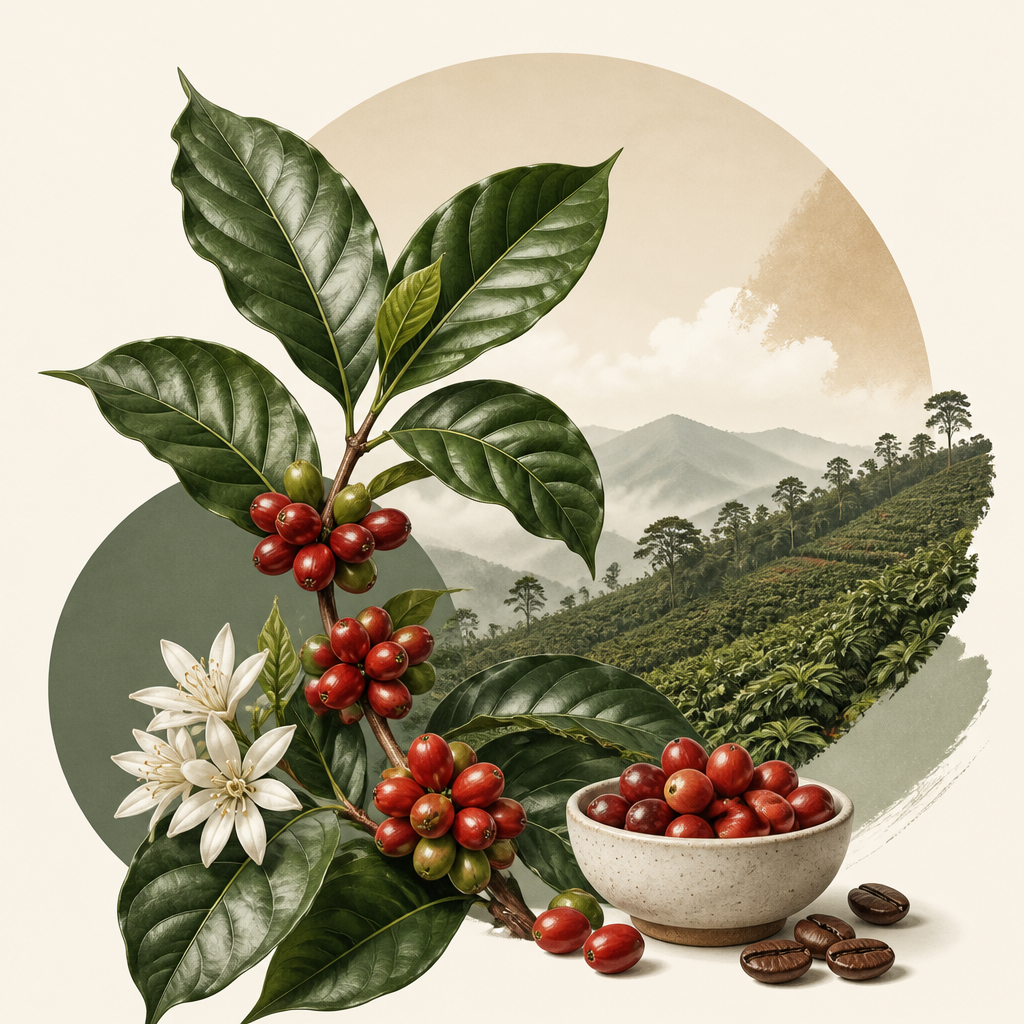
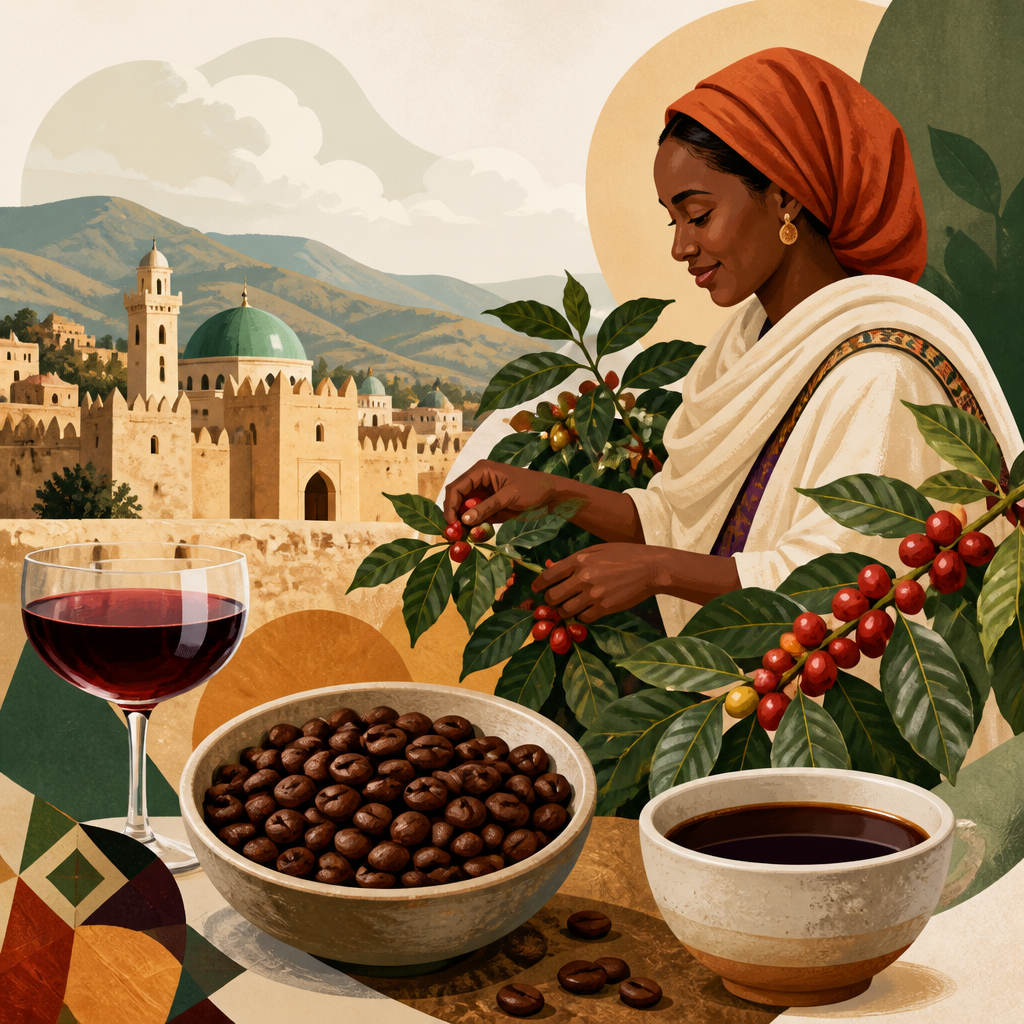
Harar coffee comes from the Harar region of eastern Ethiopia, an area with a deep connection to Arabica coffee and to the country’s wider coffee culture. The region is centered around the historic walled city of Harar and its surrounding highlands, where coffee has long been grown on small farms and in garden plots.
This landscape helps give the coffee its distinctive personality. Many coffee-growing areas sit at relatively high elevations, with warm, sunny days and cooler nights. Harar is also drier than many other Ethiopian coffee regions. These conditions can encourage coffee cherries to develop slowly and concentrate their sugars, contributing to the ripe fruit character for which the beans are known. The dry climate also suits the traditional natural processing method, where whole cherries are dried before the beans are removed.
You may see the name written as either Harar or Harrar. Both refer to the same broad coffee origin and historic area. “Harrar” is an older or alternate spelling that remains common on some coffee bags, menus, and export listings, while “Harar” is the more widely used modern spelling. When shopping, it is useful to recognize both names, especially if you are comparing offerings from different roasters.
Harar holds an important place in Ethiopia’s coffee heritage. Ethiopia is widely recognized as the birthplace of Arabica coffee, and Harar became one of its best-known export origins. For centuries, coffee moved from this eastern region through trading routes linking Ethiopia with markets across the Red Sea and beyond. Today, a cup of Harar coffee still reflects that long history, combining local growing traditions with a flavor profile unlike most conventional coffees.
Cultivation of Harar Coffee Beans
Cultivation of Harar Coffee Beans
The cultivation of Harar coffee beans is closely tied to the region’s small-scale farming tradition. Rather than coming from vast industrial estates, much of this coffee is grown by smallholder families in garden plots, often alongside food crops, fruit trees, and other useful plants. These farms may be modest in size, but the work is highly hands-on, with local knowledge passed between generations.
Harar’s highland setting helps give the beans their distinctive character. Coffee plants grow at elevated altitudes, where warm days encourage cherry development and cooler nights slow it down. This longer maturation can help concentrate sugars and create more complex flavors inside the fruit. The area is also relatively dry compared with some other Ethiopian coffee regions, a condition that suits the traditional processing style used after harvest.
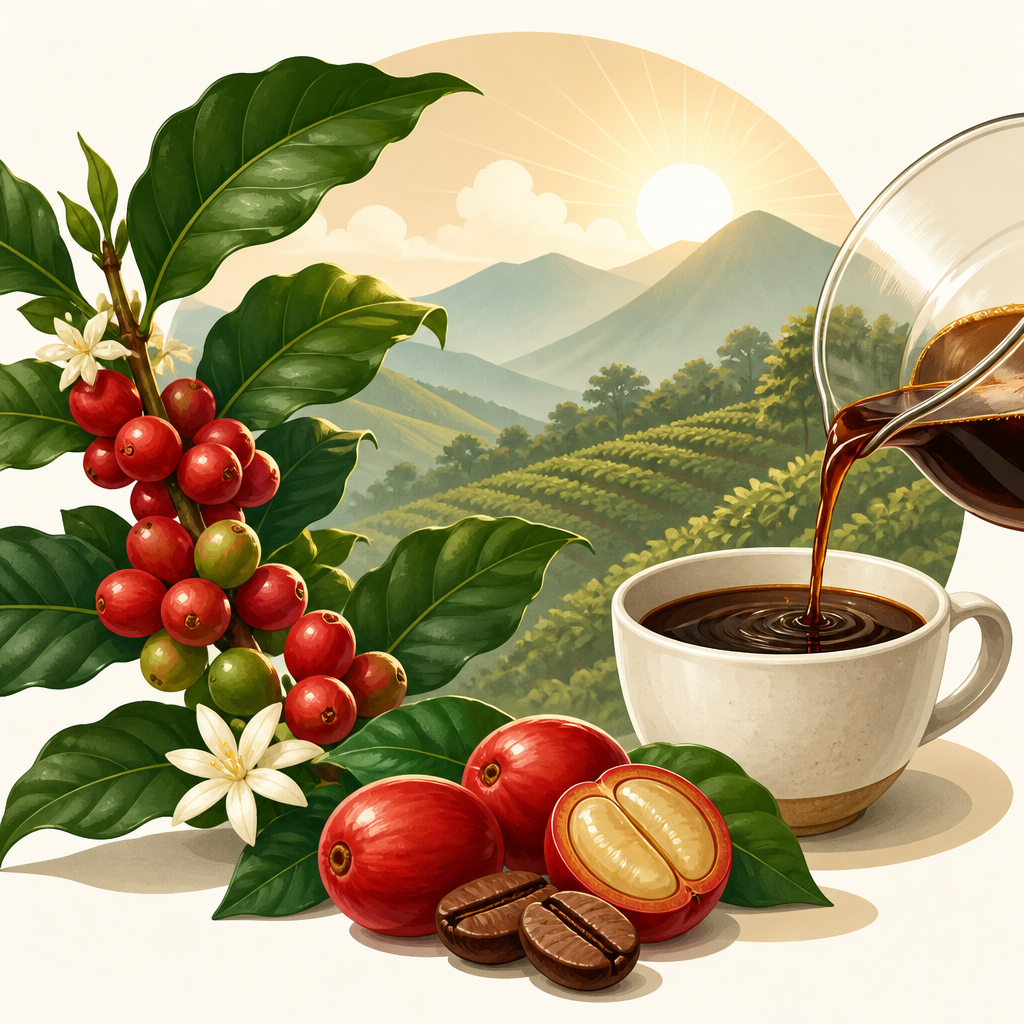
Coffee cherries are usually picked by hand as they ripen. Selective picking matters because green, underripe cherries and overripe fruit can create harsh or uneven flavors in the finished cup. After picking, growers and processors sort the cherries carefully, removing damaged fruit and other material before drying begins. Quality can vary between lots, so this attention at harvest is an important part of producing a clean, flavorful Harar coffee.
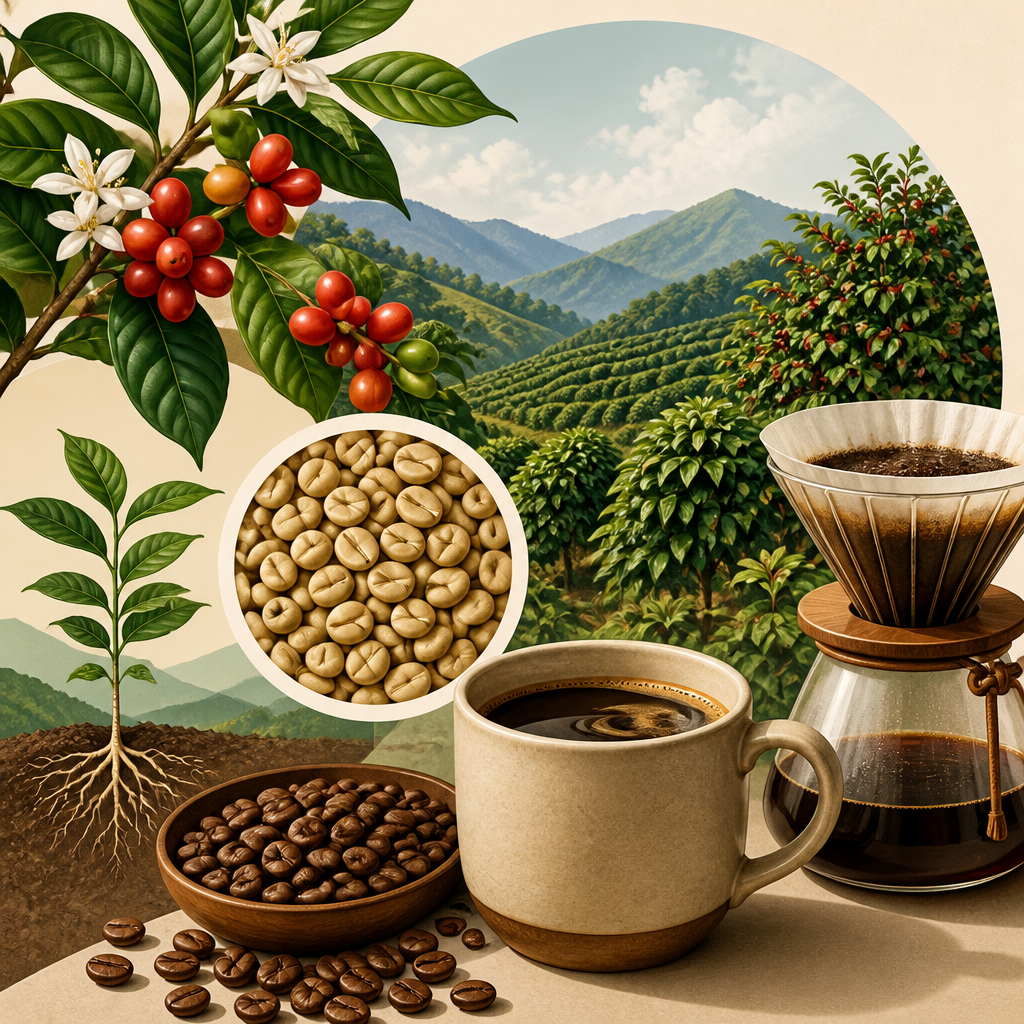
A common approach is natural processing, also called dry processing. Instead of removing the fruit immediately, whole coffee cherries are spread out to dry in the sun, often on raised beds or clean drying surfaces. The fruit remains around the bean as it dries, allowing some of its sweetness and berry-like character to influence the coffee. Workers turn the cherries regularly so they dry evenly and are protected from unwanted moisture.
Once fully dried, the outer layers are removed to reveal the green coffee beans. This patient, traditional process is a major reason Harar is known for its rich body, winey notes, and vivid fruit flavor.
What Harar Coffee Tastes Like
What Harar Coffee Tastes Like
Harar coffee is known for a flavor profile that feels lively, rich, and a little unexpected. Many drinkers notice a distinct berry-like sweetness, often compared with blueberry, blackberry, or dried fruit. Alongside that fruit character, a good cup may offer wine-like acidity, gentle cocoa or dark chocolate notes, and warm hints of spice. Its aroma can be especially memorable, with sweet fruit, earth, and chocolate scents rising from the cup.
The region’s common natural processing method plays a major part in this character. Because the coffee cherries dry with their fruit still surrounding the beans, they can develop deeper sweetness, fuller body, and more pronounced fruit flavors. This does not mean every naturally processed Harar tastes exactly the same, but it helps explain why the coffee is so often described as juicy, winey, and berry-forward.
Harar is not always a quiet or conventional coffee. Its acidity can feel brighter and its fruit notes more noticeable than those in many chocolatey, nutty coffees. For some people, that first cup is surprising. For others, it is exactly what makes Harar so appealing.
Flavor also changes from one lot to another. Harvest conditions, altitude, the producer’s sorting and drying practices, roast level, and overall processing quality all affect the final cup. A lighter roast may highlight floral and berry notes, while a medium or darker roast can bring forward cocoa, caramel, and spice.
If you enjoy coffees with personality, Harar is well worth trying. It offers a bold alternative to more familiar flavor profiles, with enough sweetness and depth to reward slow, curious tasting.
How to Prepare Coffee Beans: Harar or Harrar Style
How to Prepare Coffee Beans: Harar or Harrar Style
Learning how to prepare coffee beans, Harar or Harrar style, starts with a few simple essentials: fresh whole beans, a burr grinder, clean filtered water, and a brewer you enjoy using. Grind just before brewing whenever possible. This helps preserve Harar’s fragrant berry, cocoa, and spice character.
A medium or medium-dark roast is often an approachable choice. It softens some of the brighter wine-like acidity while keeping the coffee’s blackberry-like sweetness intact, with richer chocolate and warm spice notes coming through in the finish.
Different brew methods highlight different sides of the coffee:
- Pour-over: Use a medium-fine grind for a clean, aromatic cup with clear fruit notes. Try a ratio of 1 gram of coffee to 16 grams of water.
- French press: Choose a coarse grind and a four-minute steep for fuller body and a rounder, jammy sweetness. A 1:15 coffee-to-water ratio works well.
- Espresso: Use a fine grind and adjust the dose and extraction time to avoid harshness. Harar can make an intense, syrupy espresso with berry and cocoa depth.
- Moka pot: Use a medium-fine grind, not as fine as espresso. Brew over gentle heat for a bold, concentrated cup without scorching the coffee.
For most methods, water just below boiling, around 195 to 205°F, is ideal. If the coffee tastes bitter or dry, try a slightly coarser grind, cooler water, or a shorter brew time. If it tastes sour or thin, grind a little finer or extend extraction slightly.
Taste Harar black first, even if you usually add milk or sugar. This makes its distinctive fruit character easier to notice. Afterward, a small splash of milk or a touch of sweetness can be a pleasant way to explore its chocolatey side.
Benefits of Harar Coffee Beans
Benefits of Harar Coffee Beans
One of the clearest benefits of Harar coffee beans is simply the pleasure of a distinctive cup. Their berry-like sweetness, cocoa depth, gentle spice, and winey character can turn an everyday coffee break into something more memorable. For drinkers who have grown tired of bland or overly bitter coffee, Harar offers a flavorful change of pace without requiring complicated brewing equipment.
Like other coffees, Harar naturally contains caffeine. When enjoyed in moderation, caffeine may help support alertness, focus, and concentration, which is one reason many people reach for a morning cup or an afternoon pick-me-up. The amount of caffeine in a brewed cup varies with the bean, roast, serving size, and preparation method, so a strong espresso and a large French press coffee will not affect everyone in quite the same way.
Coffee also contains naturally occurring antioxidant compounds. These are widely studied components of many plant-based foods and drinks. Still, coffee is not a cure for illness, and it should not replace medical advice, prescribed treatment, balanced meals, sleep, or other healthy habits.
There can also be a broader benefit in choosing thoughtfully sourced Harar. Beans sold with clear information about the producer, cooperative, or importer may help connect buyers with quality-focused supply chains and small coffee-growing communities in Ethiopia. Paying attention to sourcing does not guarantee that every purchase has the same impact, but it can encourage greater transparency and care throughout the coffee trade.
Finally, caffeine sensitivity differs greatly from person to person. If coffee causes jitters, anxiety, disrupted sleep, or stomach discomfort, try a smaller serving, drink it earlier in the day, or choose decaffeinated or lower-caffeine options.
Buying and Storing Harar Coffee
Buying and Storing Harar Coffee
A good bag of Harar coffee should tell you more than just its name. Look for a clear origin label that identifies Harar or Harrar, Ethiopia, along with a recent roast date. Many quality-focused roasters also share useful details such as the processing method, harvest information, producer group, or sourcing partner. Natural-processed Harar is especially common, and that detail can help explain the coffee’s signature berry-like sweetness and winey character.
Be a little cautious with bags carrying only broad labels such as “Ethiopian blend” or “African coffee,” particularly if they are unusually cheap and provide no roast date or sourcing information. They may still make a pleasant cup, but there is no easy way to confirm that the beans genuinely come from Harar. Coffee from this region can vary from lot to lot, so transparent information is a helpful sign that a seller understands and values the origin.
Whenever possible, buy whole beans rather than pre-ground coffee. Grinding exposes more of the coffee’s surface area to air, so aromas and flavor fade faster after grinding. Whole beans generally stay fresh longer and let you adjust the grind to suit your preferred brewer.
Store your Harar coffee in an airtight container in a cool, dark cupboard, away from heat, sunlight, moisture, and strong odors. Avoid keeping it beside the stove, in the refrigerator, or near spices and other fragrant foods. Coffee can absorb odors surprisingly easily.
Finally, consider buying smaller amounts more often, ideally enough for a few weeks of regular brewing. This helps you enjoy Harar at its most aromatic, fruity, and lively, rather than saving a large bag until its distinctive character has begun to fade.
Making Harar Coffee Part of Your Routine
Making Harar Coffee Part of Your Routine
Harar, also spelled Harrar, is an easy coffee to remember. Its roots in Ethiopia’s long coffee heritage, traditional smallholder cultivation, and natural processing give it a character unlike a typical everyday blend. The dry-in-fruit process helps create the region’s well-known fruit-forward profile, often bringing blueberry, blackberry, cocoa, spice, and wine-like notes into the cup.
The best way to make Harar part of your routine is to begin simply. Brew it with a pour-over, French press, or whichever method you already enjoy, then taste it black before making changes. This gives you a clear sense of its natural sweetness, body, and acidity. From there, adjust one element at a time. Try a slightly finer grind if the cup tastes thin or sour, or a coarser grind if it seems bitter or harsh. A small change in coffee dose, water temperature, or brew time can bring out more berry sweetness or soften the coffee’s heavier cocoa notes.
Harar is also a rewarding coffee for comparison. Try it beside a washed Ethiopian coffee, such as one from Yirgacheffe or Sidama. You may notice that Harar often feels fuller-bodied, wilder, and more jammy, while washed coffees can taste cleaner, brighter, and more floral. Comparing cups is a simple, enjoyable way to learn what styles you prefer.
Whether you reserve it for a slow weekend morning or brew it as a lively daily cup, Harar coffee offers more than caffeine. Each freshly brewed cup is a small taste of one of coffee’s most storied regions, with vivid flavor and a tradition that reaches back generations.