

Welcome to the World of Jamaica Blue Mountain Coffee
Welcome to the World of Jamaica Blue Mountain Coffee
Few coffees inspire as much curiosity as Jamaica Blue Mountain coffee. Its name appears on café menus, gift boxes, and specialty roaster websites around the world, often accompanied by a price tag that makes people pause. Yet this famous bean has earned its reputation for more than rarity alone. Grown on the misty mountain slopes of Jamaica, it is celebrated for a remarkably smooth, balanced cup that feels refined without being overpowering.
For coffee lovers, opening a fresh bag can feel like taking a small trip to the Caribbean. The aroma is inviting, the flavors are often delicate and sweet, and the finish is typically clean with little of the harsh bitterness some people associate with coffee. That combination has made it one of the world’s most sought-after coffees, especially among people looking to explore something beyond their usual morning brew.
In this guide, you will discover where authentic Jamaica Blue Mountain coffee comes from and why its growing region matters so much. We will look at the mountain climate and soil, the careful cultivation of Jamaica Blue Mountain coffee beans, and the hands-on work involved in producing a limited number of high-quality beans each year. You will also learn what to expect from its flavor and how to prepare Jamaica Blue Mountain coffee beans in a way that lets their subtle character shine.
It is true that this coffee costs more than many everyday options. Limited production, strict quality controls, and labor-intensive farming all contribute to the premium. Still, it does not have to replace your regular coffee. Think of it as a special-occasion cup, a thoughtful gift, or a memorable tasting experience for a quiet weekend morning.
What Is Jamaica Blue Mountain Coffee?

Jamaica Blue Mountain coffee is a high-quality Arabica coffee grown within a specifically defined area of Jamaica’s Blue Mountains. This is not simply a style of roast or a general description for coffee from the island. To carry the name authentically, the beans must come from the officially designated Blue Mountain growing region in eastern Jamaica, where elevation, climate, and soil create the conditions associated with this celebrated coffee.
Arabica is the species behind many specialty coffees, valued for its aromatic complexity and comparatively smooth flavor. In the Blue Mountains, it grows slowly in cool, misty conditions, helping the cherries develop the character for which the coffee is known. However, geography matters as much as the coffee variety itself. Arabica beans grown elsewhere in Jamaica may be excellent, but they are not necessarily Jamaica Blue Mountain coffee.
Authentic beans are subject to regulation, inspection, and certification standards designed to protect the name and maintain quality. This oversight helps distinguish genuine Jamaica Blue Mountain coffee from products labeled with similar-sounding phrases, such as “Blue Mountain blend,” “Jamaican-style,” or “Blue Mountain inspired.” Those coffees may contain only a small amount of genuine beans, or none at all.
When shopping, read the package closely. Look for a clear statement that the coffee is 100 percent Jamaica Blue Mountain, along with origin details, estate or producer information when available, and recognized certification or export markings. Reputable sellers should be transparent about where the beans were grown and roasted.
A higher price alone is not proof of authenticity, but clear sourcing is a reassuring sign. Taking a moment to check the label helps ensure that the cup in your hands truly comes from one of the world’s most distinctive coffee regions.
The Blue Mountains: A Unique Coffee-Growing Environment
The Blue Mountains: A Unique Coffee-Growing Environment
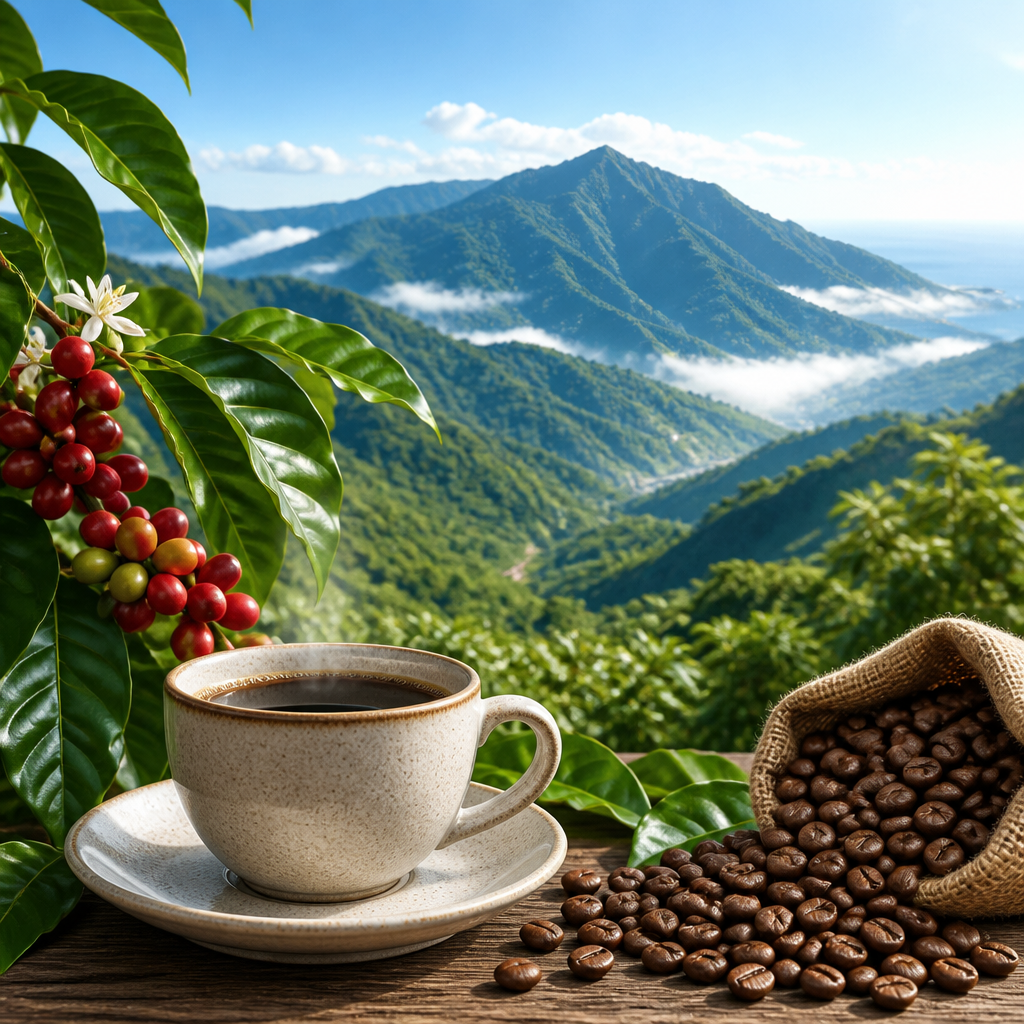
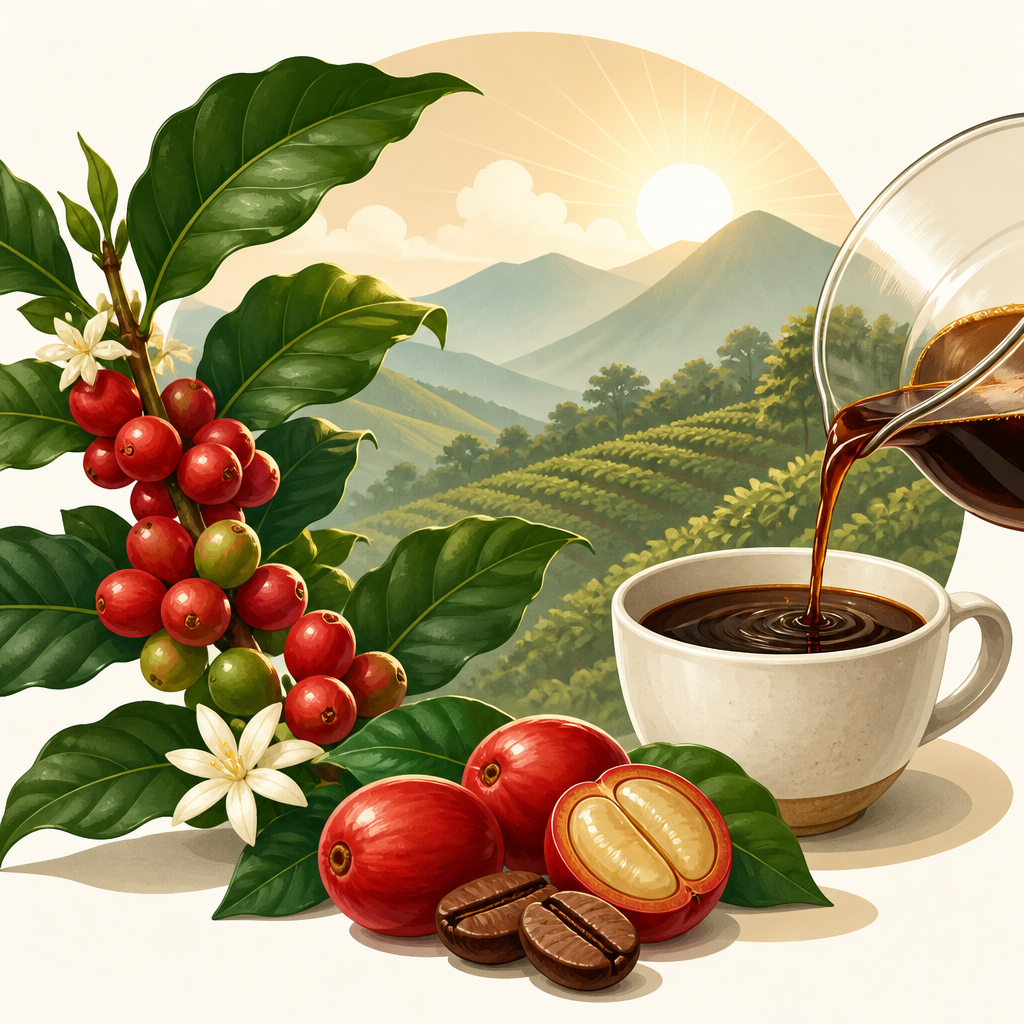
Jamaica’s Blue Mountains rise across the eastern part of the island, creating a dramatic landscape of steep ridges, sheltered valleys, and cloud-covered slopes. Coffee is cultivated high in these mountains, often at elevations where the air is noticeably cooler than in Jamaica’s coastal areas. The region’s regular mist gives the mountains their famous blue-gray appearance, while also helping create the humid conditions coffee trees need.
This is not a quick-growing environment. Rich, well-drained mountain soils, generous rainfall, cool temperatures, and frequent cloud cover all slow the development of the coffee cherry. Rather than ripening rapidly in strong heat, the cherries mature gradually on the tree. That extra time allows sugars and flavor compounds to build, contributing to the balanced sweetness, gentle acidity, and layered character associated with Jamaica Blue Mountain coffee.
The terrain also makes farming demanding. Many coffee plots sit on slopes that are difficult to access with machinery, so growers rely heavily on hands-on work and local knowledge. Families and small farming communities have long played an essential role in tending trees, monitoring ripeness, and moving harvested cherries through the region’s challenging landscape.
In every cup, the Blue Mountains are more than a name on a label. The high elevation, shifting weather, soil, and people behind the harvest all shape the coffee’s identity. This close connection between place and product has helped turn a relatively small Jamaican growing region into an internationally recognized symbol of specialty coffee.
Cultivation of Jamaica Blue Mountain Coffee Beans
Cultivation of Jamaica Blue Mountain Coffee Beans
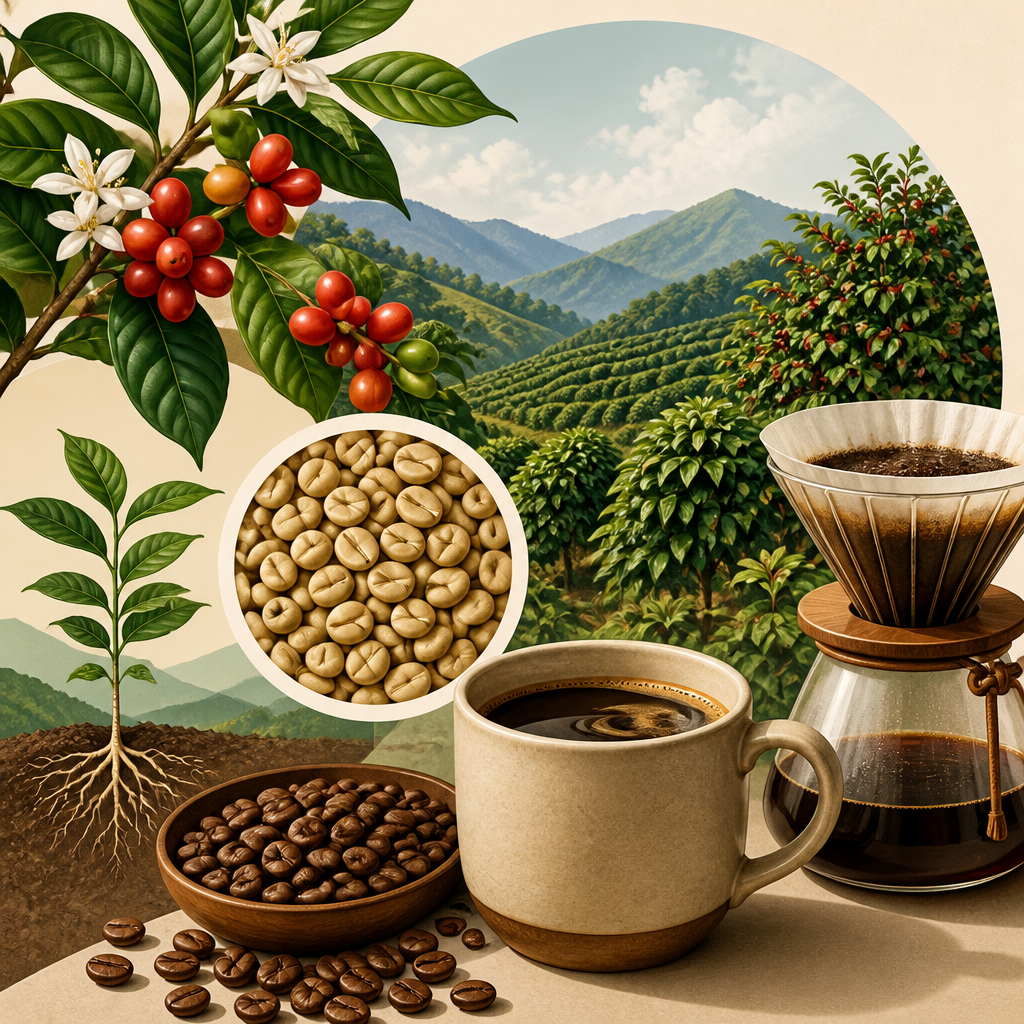
The cultivation of Jamaica Blue Mountain coffee beans begins with Arabica trees planted along steep, high-elevation slopes. Farming in this terrain is demanding, often requiring growers to work by hand where large machinery is impractical. The mountains’ cool temperatures, regular rainfall, and mist encourage the coffee cherries to mature slowly, giving them more time to develop the sugars and compounds that contribute to a refined cup.
Harvesting is equally careful. Coffee cherries on the same branch do not ripen all at once, so workers selectively hand-pick only the fully ripe, red cherries. This takes more time than stripping every cherry from a branch, but it helps protect quality. Unripe cherries can taste grassy or sharp, while overripe fruit may create undesirable fermented flavors. Picking at the right moment gives processors better raw material from the start.
After harvest, the cherries are typically washed to remove the fruit from the beans, then dried under controlled conditions. The beans are later hulled, sorted, and graded. At each stage, damaged, defective, or inconsistent beans may be removed. Size, density, appearance, and cup quality all matter in determining how the coffee is classified.
This detailed work helps explain why Jamaica Blue Mountain coffee is produced in relatively limited quantities. Many farms are small, the growing area is tightly defined, and high standards leave little room for shortcuts. Hand labor, careful processing, and strict grading add to the cost before the beans ever reach a roaster.
For coffee lovers, that premium reflects more than a famous name. It represents a slow, hands-on process designed to preserve the clean, balanced character that makes this Jamaican coffee so recognizable.
What Does Jamaica Blue Mountain Coffee Taste Like?

What Does Jamaica Blue Mountain Coffee Taste Like?
Jamaica Blue Mountain coffee is best known for its balance. A well-brewed cup often has a smooth, silky body, gentle acidity, and mild natural sweetness. Rather than arriving with one bold, overpowering flavor, it tends to feel rounded and refined from the first sip through the finish.
Tasting notes vary, but many drinkers notice suggestions of milk chocolate, roasted nuts, soft citrus, and delicate floral aromas. Some cups may seem lightly caramel-like or fruity, while others lean more toward cocoa and almond. These are not necessarily strong, separate flavors. They are subtle impressions that can become more noticeable as the coffee cools.
Its low perceived bitterness is a major part of the appeal. Jamaica Blue Mountain coffee is generally not prized for the heavy, smoky intensity associated with very dark roasts. Instead, it offers a clean, mellow profile that lets its sweetness and gentle complexity come through. For people who find some coffees harsh or sharply acidic, this softer character can be especially enjoyable.
Still, no two bags will taste exactly alike. Flavor can differ by estate, harvest, processing choices, roast level, bean freshness, and brewing method. A lighter roast may highlight floral or citrus notes, while a medium roast can bring forward chocolate and nutty qualities. Brewing with overly hot water or leaving the grounds in contact too long can also introduce unwanted bitterness.
It is worth approaching this famous coffee with realistic expectations. Premium coffee is not automatically every person’s favorite, especially for those who prefer a bold, dark, intensely roasted cup. Its appeal lies in elegance and harmony, not dramatic force. For many coffee lovers, that smooth, quietly complex character is exactly what makes it memorable.
Benefits of Jamaica Blue Mountain Coffee Beans
Benefits of Jamaica Blue Mountain Coffee Beans
The most immediate benefit of Jamaica Blue Mountain coffee beans is simply the pleasure of drinking them. They are prized for a notably smooth cup, with gentle acidity and low perceived bitterness. For people who find many coffees harsh, smoky, or overly sharp, this softer, balanced profile can feel especially inviting. Its subtle sweetness and layered notes also make it a satisfying choice to drink black, without needing much sugar, cream, or flavored syrup.
Careful production adds to the appeal. Coffee cherries are typically picked selectively, then processed and graded under strict standards. That attention does not guarantee that every cup will suit every palate, but it can offer a more consistent specialty-coffee experience. Buying from a reputable roaster also gives you a better chance of receiving properly stored, recently roasted beans that reflect the coffee’s character.
Like other Arabica coffees, Jamaica Blue Mountain contains caffeine, which many people enjoy for its familiar lift in alertness and focus. It also contains naturally occurring antioxidants, compounds found in coffee and many plant-based foods. Still, it is best appreciated as a beverage rather than a medical treatment. Its health effects can vary depending on the individual, serving size, brewing style, and what is added to the cup.
When shopping, look for sellers that clearly state the coffee’s origin, certification or estate information, and roast date. Transparent sourcing is particularly important for a premium coffee, since similar-sounding blends may contain only a small amount of genuine Jamaica Blue Mountain beans.
Enjoy it in moderation, especially if you are sensitive to caffeine or drink coffee later in the day. Decaffeinated versions can be a worthwhile alternative for those who want the flavor and ritual with less caffeine.
How to Prepare Jamaica Blue Mountain Coffee Beans
How to Prepare Jamaica Blue Mountain Coffee Beans
To get the most from a premium coffee, buy whole beans whenever possible. Keep them in an airtight container at room temperature, away from heat, light, and moisture, then grind only what you need just before brewing. Fresh grinding preserves the delicate aromas and smooth flavor that make Jamaica Blue Mountain coffee so distinctive.
A medium roast is a versatile starting point because it allows the bean’s gentle sweetness, light acidity, and subtle chocolate, nut, citrus, or floral notes to come through. Roast preference is personal, of course, but a very dark roast can cover many of the qualities you paid to enjoy. For most methods, begin with a medium grind and make small adjustments as needed.
When considering how to prepare Jamaica Blue Mountain coffee beans, use clean equipment and filtered water. Old coffee oils or strongly mineralized water can make even excellent beans taste flat or bitter. Start with a coffee-to-water ratio of about 1:16, such as 20 grams of ground coffee to 320 grams of water. Adjust from there for a stronger or lighter cup.
For a pour-over, pour hot water slowly and evenly over the grounds, allowing the coffee to bloom first. A French press benefits from a slightly coarser grind and about four minutes of steeping before pressing. In a drip coffee maker, use a medium grind and avoid leaving the finished coffee on a hot plate for too long.
Try not to over-extract the coffee by grinding too finely, brewing too long, or using excessively hot water. Likewise, heavy cream, syrups, and lots of sugar can hide its nuanced character. Taste it black first, then add only what genuinely improves the cup for you.
Is Jamaica Blue Mountain Coffee Worth Trying?
Is Jamaica Blue Mountain Coffee Worth Trying?
For coffee drinkers who enjoy a refined, balanced cup, Jamaica Blue Mountain coffee is absolutely worth trying at least once. Its reputation is not based on a single flashy flavor note. Instead, it comes from a combination of high-altitude mountain terroir, slow ripening in Jamaica’s cool and misty climate, careful hand-harvesting, and closely controlled processing. The result is typically smooth, gently sweet, aromatic, and notably low in bitterness.
Its limited production is also part of the appeal, and part of the price. Growing coffee on steep mountain slopes is labor-intensive, while strict grading and certification standards limit the volume that can be sold as authentic Jamaica Blue Mountain coffee. That does not mean every coffee lover will prefer it over a bright Ethiopian coffee or a bold dark roast, but it offers a distinctive specialty-coffee experience that is easy to appreciate on its own terms.
Because it is expensive, shop thoughtfully. Choose a trusted roaster or seller that clearly states the origin, provides certification details where applicable, and lists a recent roast date. Avoid vague labels such as “Blue Mountain blend,” which may contain little or no genuine Jamaican Blue Mountain coffee. Starting with a small bag is a sensible way to decide whether its delicate character suits your taste before investing in a larger purchase.
Brew it simply, taste it without heavy additions, and give it your full attention. Whether enjoyed as a quiet morning ritual or shared for a special occasion, Jamaica Blue Mountain coffee is a memorable introduction to how place, patience, and careful craft can shape a truly exceptional cup.


[…] Cultivation of Sidamo Coffee Beans […]