

1. Welcome to the World of Yirgacheffe Coffee
Welcome to the World of Yirgacheffe Coffee
Open a bag of Yirgacheffe coffee and you may notice something surprising before you even take a sip: a fragrance that can feel more like flowers, citrus peel or ripe fruit than the deep, roasted aroma many people expect from coffee. This bright, expressive character is why Yirgacheffe has become one of Ethiopia’s best-known and most loved coffee origins.
Often pronounced roughly “yer-gah-chef,” Yirgacheffe is celebrated for cups that are elegant rather than heavy. Many coffees from this area offer floral notes reminiscent of jasmine or tea rose, alongside lively acidity that can bring lemon, bergamot, peach or berry to mind. The finish is often sweet and tea-like, with a clean, refreshing quality. For people accustomed to dark, chocolatey blends, a Yirgacheffe can be an especially memorable change of pace.
The name has two closely related meanings. Yirgacheffe is a town in southern Ethiopia, where coffee has deep cultural and agricultural roots. It is also used more broadly for coffee grown in the surrounding producing area, part of Ethiopia’s renowned coffee landscape. As a result, two bags labeled Yirgacheffe may share a recognizable bright and floral style while still tasting quite different from one another.
That variation is part of the fun. A particular harvest, farm, roast or processing method can shift the cup toward crisp citrus and blossoms, juicy stone fruit, or rich blueberry-like sweetness. Still, Yirgacheffe’s signature remains easy to recognize: fragrant, vibrant and full of personality.
2. Where Yirgacheffe Comes From
Where Yirgacheffe Comes From
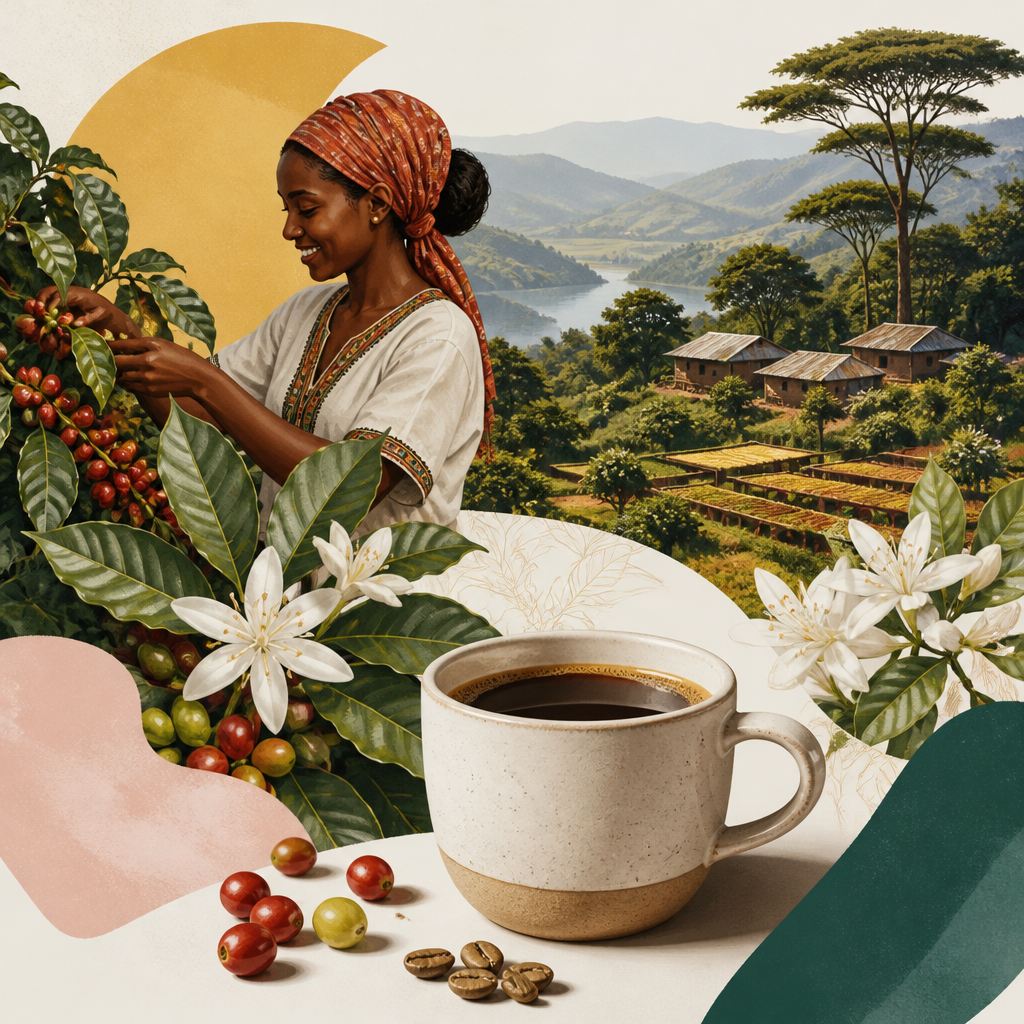
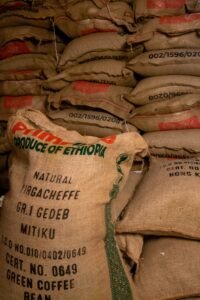
Yirgacheffe lies in southern Ethiopia, within the wider Gedeo Zone, an area with a long and deeply rooted coffee tradition. The name is used for the town of Yirgacheffe as well as coffee produced in nearby communities and districts. Although each village and farm has its own conditions, the region’s landscape gives many of its coffees their famously bright, aromatic character.
Coffee here is commonly grown at high elevations, often between roughly 1,700 and 2,200 metres above sea level. At these heights, temperatures tend to stay mild rather than hot, and coffee cherries mature slowly. That extra time on the tree helps sugars and complex flavours develop inside the fruit, which can later show up in the cup as floral notes, lively citrus and delicate sweetness.
The area also benefits from fertile, often red-brown soils, dependable seasonal rainfall and a green, varied landscape. These conditions help coffee plants thrive without rushing their growth. Rather than being produced on vast industrial estates, much of Yirgacheffe coffee comes from smallholder farmers. Many families tend modest plots of land, sometimes growing coffee alongside crops such as enset, fruit trees and vegetables.
After harvest, farmers may deliver their ripe cherries to local washing stations, where the coffee is sorted and processed. In other cases, producers handle drying on a smaller scale. This network of farms, cooperatives and processing sites is an important part of what makes Yirgacheffe special. A bag may represent the work of many growers, each carefully picking cherries at their peak.
The result is coffee shaped by both place and people: highland weather, healthy soil, patient ripening and generations of local farming knowledge.
3. What Does Yirgacheffe Coffee Taste Like?
What Does Yirgacheffe Coffee Taste Like?
Yirgacheffe is often loved for a cup that feels bright, fragrant and full of small, surprising details. Many drinkers notice a floral aroma first, with jasmine being one of the classic descriptions. From there, the flavor may suggest bergamot, like the citrusy note in Earl Grey tea, or fresh lemon with a clean, sparkling acidity.
Fruit notes are another familiar part of the experience. Depending on the coffee, you might taste soft peach, ripe blueberry, apricot or gentle berry sweetness. These are tasting comparisons, not added flavors. They describe the natural aromas and impressions created by the coffee’s variety, growing conditions and processing.
A good Yirgacheffe can also have a tea-like quality. Its body is often light to medium rather than thick and heavy, and the finish can be delicate, sweet and refreshing. This makes it quite different from a dark, chocolatey coffee, which may feel richer, roastier and more intense. Yirgacheffe usually puts aroma, acidity and fruit character in the spotlight instead.
Still, no two Yirgacheffe coffees taste exactly alike. A washed lot often leans toward crisp citrus, flowers and clear tea-like sweetness. A natural processed lot may bring forward fuller blueberry, strawberry or jam-like fruit notes. The harvest year, individual farm or cooperative, and even the exact elevation can all affect the final cup.
Roast level matters too. Light roasts tend to preserve more of the coffee’s floral and fruit-led character, while medium roasts can add a little more caramel-like sweetness and body. A darker roast may soften the delicate origin flavors, though it can suit drinkers who prefer a deeper profile. The fun of Yirgacheffe is that each bag offers a slightly different expression of the same remarkable region.
4. Cultivating Yirgacheffe Coffee Beans
Cultivating Yirgacheffe Coffee Beans
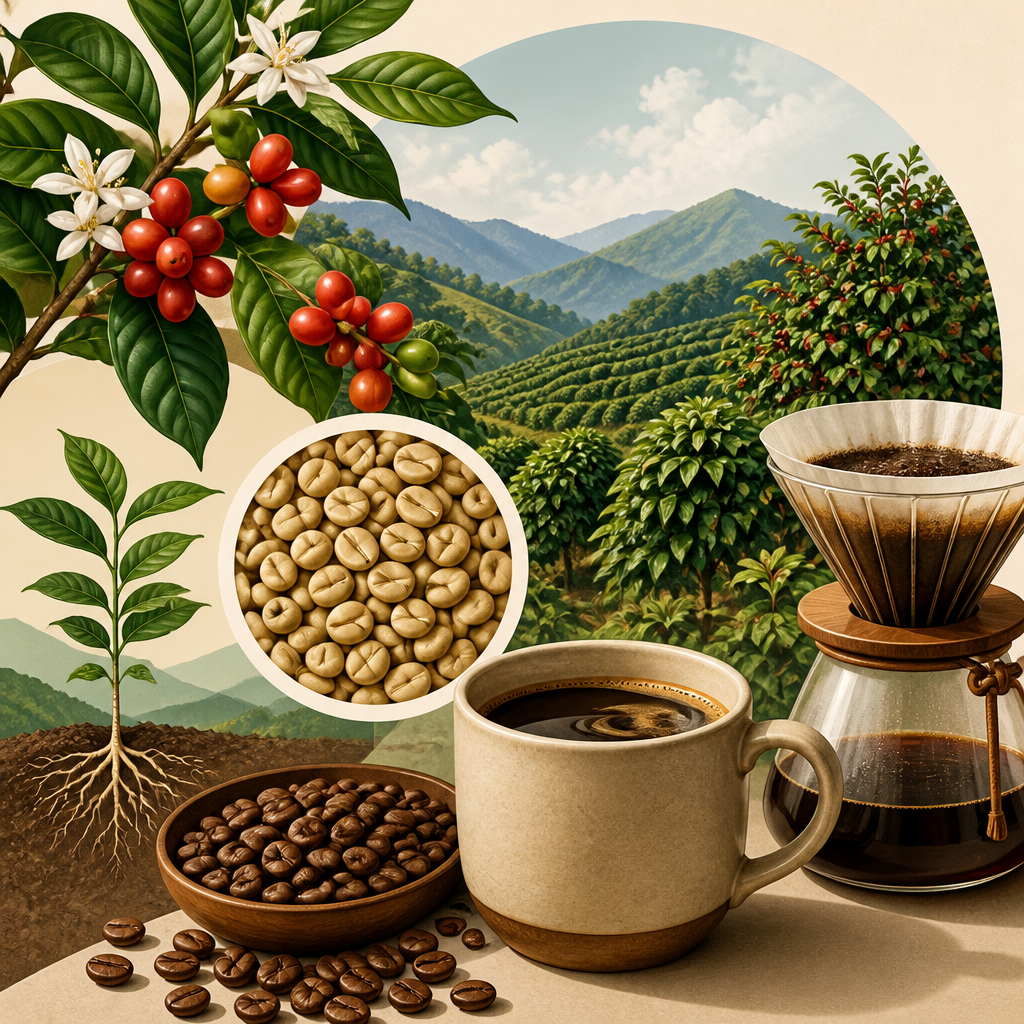
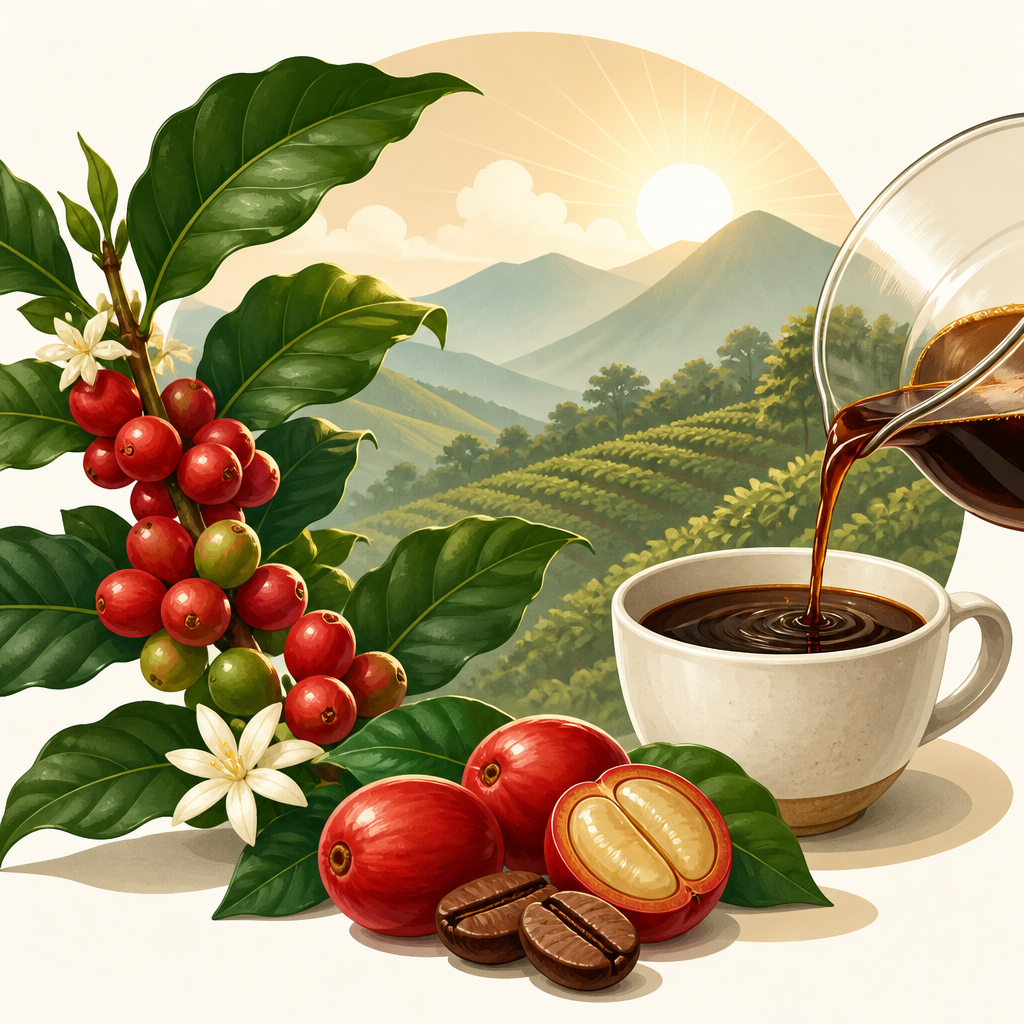
Cultivating Yirgacheffe coffee beans is often a careful, small-scale process rooted in the region’s landscape and farming traditions. Many coffee trees grow in garden-like plots under natural shade, alongside food crops such as enset, bananas and vegetables, as well as native trees and plants. This mixed growing environment can shelter coffee from intense sun, support healthier soils and create habitat for birds, insects and other wildlife.
The journey begins with young coffee plants, which take several years to produce a meaningful harvest. Once the trees are established, they flower after seasonal rains and gradually develop green cherries. As the cherries ripen, they turn a deep red, although the exact color and timing can vary. Rather than stripping every cherry from a branch at once, farmers often pick the ripe fruit by hand over several passes. This selective harvesting takes time, but it helps ensure that only properly matured cherries move on for processing.
After picking, cherries are sorted to remove damaged or underripe fruit. They may then be washed, dried whole as natural coffee, or handled through another processing method. Attention at every stage matters. Clean water, careful drying and protection from unwanted fermentation all help preserve the clear, aromatic qualities that make Yirgacheffe distinctive.
Sustainable practices are important here, too. Shade-grown systems, composting, soil protection and thoughtful water use can help maintain productive farms over time. They can also protect biodiversity in this ecologically rich area. For many smallholder families, coffee is a vital source of income, so fair, traceable buying relationships can support both farmers’ livelihoods and the long-term care of the land.
5. Washed, Natural and Honey Processed Yirgacheffe

Washed, Natural and Honey Processed Yirgacheffe
The processing method, or what happens to coffee cherries after picking, has a major influence on the flavor in your cup. This is why details such as “washed” or “natural” on a bag of Yirgacheffe are worth noticing.
Washed Yirgacheffe is made by removing the cherry fruit from the beans soon after harvest. The beans are then fermented briefly to loosen the remaining sticky layer, washed clean and dried. This approach is well known for producing a crisp, refined cup. Expect bright citrus notes, often lemon or bergamot, along with jasmine-like florals and a light, tea-like finish. Washed coffees can be especially appealing to drinkers who enjoy clarity and lively acidity.
Natural processing takes a different route. Whole coffee cherries are dried with the fruit still surrounding the beans, usually on raised beds where they are turned regularly. As the fruit dries, it can bring more sweetness and fruit character to the coffee. A natural Yirgacheffe may taste like blueberry, strawberry, peach or jam, with a fuller, rounder feel than a washed lot. It can be wonderfully expressive, though its flavors may be less delicate and more varied from cup to cup.
Honey processed Yirgacheffe is less common, but it sits between these two styles. The outer skin is removed, while some of the sticky fruit layer, called mucilage, remains during drying. The result can combine gentle sweetness and body with much of the clean character people appreciate in washed coffee.
When choosing beans, processing information offers a helpful clue rather than a guarantee. Try a washed and a natural Yirgacheffe side by side, if you can. It is one of the easiest ways to discover whether you prefer sparkling floral clarity, juicy berry sweetness or something pleasantly in between.
6. How to Prepare Yirgacheffe Coffee Beans
How to Prepare Yirgacheffe Coffee Beans
To get the most from Yirgacheffe, buy whole beans when possible. Keep them in an airtight container at room temperature, away from heat, sunlight and moisture. Grind only what you need just before brewing, since the delicate floral aromas and bright fruit notes fade more quickly after grinding.
Light to medium roasts are often an excellent choice for Yirgacheffe coffee. They tend to preserve its jasmine-like fragrance, citrus lift and peach or berry sweetness. A darker roast can still be enjoyable, but it may cover some of the origin’s more distinctive character with deeper roasted flavors.
For many people, a pour-over is the clearest introduction. Use filtered water, a medium-fine grind and water just off the boil. Start with a simple ratio of about 1 gram of coffee for every 16 grams of water, such as 20 grams of coffee to 320 grams of water. Pour slowly and evenly, then adjust one element at a time if the cup tastes too sharp, weak, bitter or heavy.
A French press gives Yirgacheffe a rounder body and can make its tea-like sweetness feel more comforting. Use a coarser grind, steep for about four minutes, then press gently. An AeroPress is a flexible, forgiving option that can produce a clean, lively cup in a short time. Try a medium-fine grind and experiment with a one- to two-minute brew.
Espresso can reveal a concentrated side of Yirgacheffe, often with floral, lemony or berry-like notes. Choose a slightly more developed medium roast if very light beans are difficult for your machine to extract.
The best approach is to change your recipe slowly. A small grind adjustment, a little more water or a lower brewing temperature can make a noticeable difference.
7. Benefits of Yirgacheffe Coffee Beans
Benefits of Yirgacheffe Coffee Beans
One of the clearest benefits of Yirgacheffe coffee beans is simply the experience in the cup. Their floral aroma, bright fruit notes and tea-like finish offer a refreshing change from heavier, darker blends built around chocolate, nuts or deep roast flavors. A washed Yirgacheffe may feel crisp and citrusy, while a natural lot can bring a sweeter blueberry-like character. For many coffee drinkers, that variety makes the daily brew more interesting.
Like other coffees, Yirgacheffe naturally contains caffeine and antioxidants, including compounds such as chlorogenic acids. Caffeine can help some people feel more alert and focused, while antioxidants are a normal part of coffee’s complex chemical makeup. Still, individual responses vary. Some people are more sensitive to caffeine, particularly later in the day, and coffee is not a substitute for sleep, balanced meals or medical guidance.
Traceability is another valuable feature to look for when buying Yirgacheffe. A bag that names the washing station, cooperative, farm area, harvest, or processing method gives you a clearer picture of what you are drinking. It can also help you compare coffees more thoughtfully: perhaps you prefer a floral washed lot from one producer group, or a fruitier natural coffee from another. Greater detail does not guarantee that every cup will be your favorite, but it creates a more direct connection between the drinker, the region and the people who produced the coffee.
Ultimately, the benefits of Yirgacheffe coffee beans are best enjoyed as part of a satisfying routine. Take time to notice the fragrance, flavor and finish, and choose an amount of caffeine that suits your own needs.
8. Finding Your Favorite Yirgacheffe Cup

Finding Your Favorite Yirgacheffe Cup
Yirgacheffe coffee is memorable because it brings together Ethiopia’s long coffee heritage, high-altitude growing conditions and the careful work of smallholder farmers. Its bright acidity, floral fragrance and fruit-led flavors can feel very different from a familiar dark roast or classic chocolatey blend. One cup may suggest jasmine and lemon tea, while another may lean toward ripe peach, blueberry or sweet citrus.
When buying, look for whole beans with a recent roast date, ideally within the past few weeks. A good coffee bag should also tell you something useful about the lot, such as its processing method, growing area, producer or washing station, and roast level. Choosing a trusted roaster is helpful too, since careful roasting can preserve the delicate character that makes Yirgacheffe special.
The processing information is particularly worth noticing. Try a washed Yirgacheffe if you enjoy a clean, crisp cup with floral and citrus notes. Choose a natural lot when you want more berry sweetness and a fuller, fruitier impression. If you find a honey-processed coffee, expect a possible balance of sweetness and clarity. Brewing the same coffee as a pour-over, French press or AeroPress can also reveal different sides of its flavor.
Keep a few simple notes as you taste. Record the roast date, process, brew method and flavors you noticed. Over time, those notes make it easier to identify whether you prefer sparkling washed coffees, jammy naturals or something in between.
The takeaway is simple: choose fresh, well-described Yirgacheffe beans, experiment with preparation, and slow down long enough to enjoy the aroma and character in every cup.


[…] Cultivation of Castillo Coffee Beans […]
[…] Choosing Coffee Beans, Water and Filters […]