
1. Welcome to the World of Caffè Latte
Welcome to the World of Caffè Latte
Few coffee drinks feel as inviting as a Caffè Latte. With its rich espresso base, warm steamed milk and delicate layer of foam, it offers a smooth, comforting balance that suits quiet mornings, busy afternoons and everything in between. It can be bold or mellow, plain or lightly flavored, and it is one of the most familiar choices on coffee shop menus around the world.
Despite its polished café appearance, a great latte does not have to be complicated or reserved for baristas. At its heart, it is simply coffee and milk prepared with a little care. The quality of the espresso, the texture of the milk and the way the two are combined all make a difference, but each step can be learned at home through a few straightforward techniques.
In this guide, you will discover where the modern Caffè Latte comes from and what sets it apart from drinks such as cappuccino, flat white and café au lait. You will also learn about the ingredients that shape its flavor, from coffee beans and espresso extraction to dairy and plant-based milk options.
We will look at practical Tools for preparing Caffè Latte, including espresso equipment and accessible alternatives for kitchens without a full machine. Most importantly, you will find clear guidance on How to prepare a Caffè Latte with silky milk, balanced coffee flavor and a finish that feels café-worthy.
There are also several Benefits of Caffè Latte to consider. Its milk softens the intensity of espresso, while allowing plenty of room to tailor the drink to your preferences, dietary needs and caffeine habits. Whether you are new to coffee making or ready to improve your daily routine, a homemade latte can become a simple, satisfying ritual.
2. What Is a Caffè Latte?
What Is a Caffè Latte?
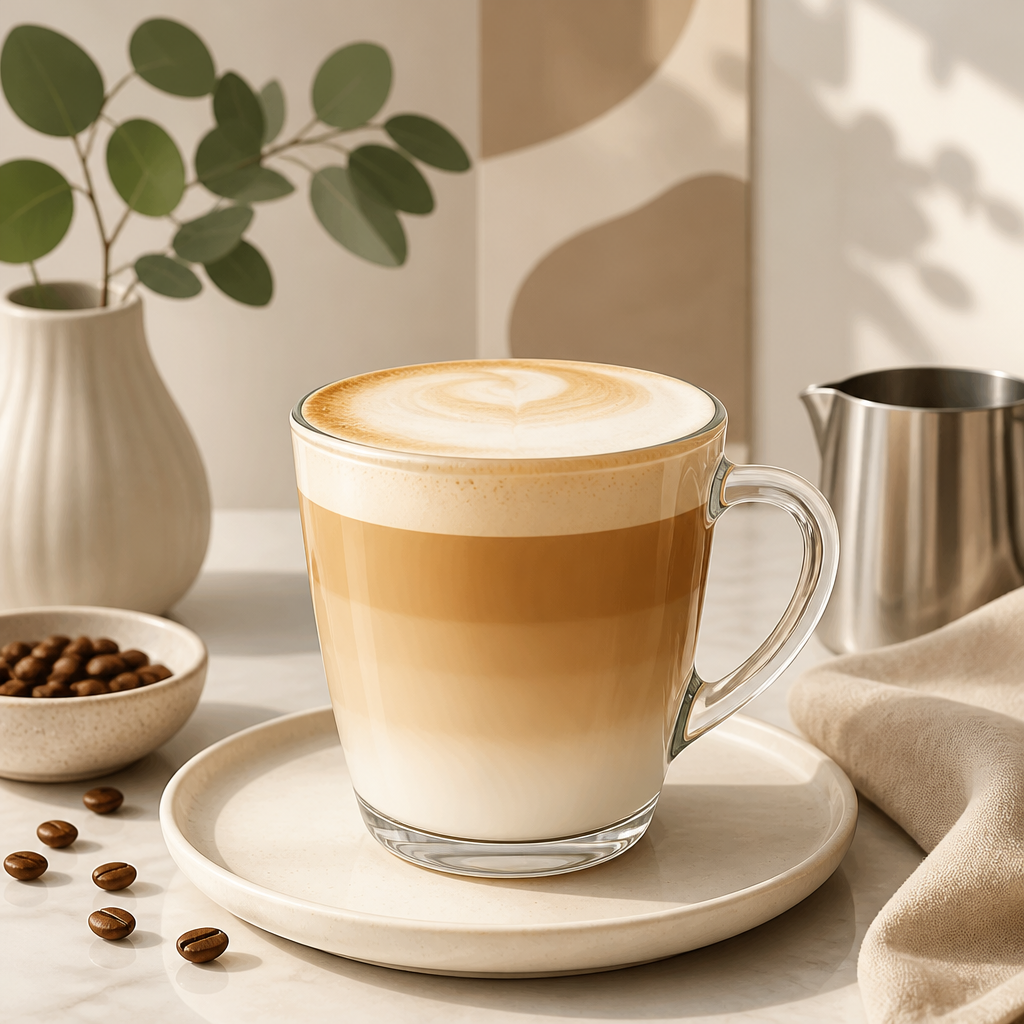
A Caffè Latte is an espresso-based coffee drink made with espresso, steamed milk and a light layer of milk foam on top. The Italian name translates directly to “coffee and milk,” which neatly describes its simple appeal. Although recipes vary by cup size and personal taste, a latte usually contains more milk than espresso, creating a smooth, mellow drink with a gentle coffee flavor.
The espresso provides the latte’s coffee character, from chocolatey and nutty to bright and fruity, depending on the beans and roast. Steamed milk adds sweetness, warmth and a velvety body. When properly prepared, the milk is silky rather than stiff or bubbly, and the thin foam layer gives the drink a soft, polished finish.
It is easy to confuse a latte with other milk-based coffees, but their proportions and textures are different:
- Cappuccino: Usually has equal parts espresso, steamed milk and thicker foam. It tastes more coffee-forward and feels lighter because of the larger foam layer.
- Flat white: Typically uses espresso with less milk than a latte and very thin, finely textured microfoam. It is smaller, stronger and more concentrated.
- Café au lait: Traditionally combines brewed coffee, rather than espresso, with hot milk. Its flavor depends more on the brewed coffee style and is usually less intense than an espresso-based latte.
One of the best things about a Caffè Latte is how easily it can be adjusted. Use one espresso shot for a mild, milky cup or two shots for a richer coffee taste. Choose whole milk for extra creaminess, or select a lower-fat or plant-based option to suit your preferences. The result is a comforting, customizable coffee that can be enjoyed plain or lightly flavored.
3. A Short History of the Latte
A Short History of the Latte
Coffee and milk have been enjoyed together in Europe for centuries. As coffee became more widely available in the 17th and 18th centuries, people often softened its bold, sometimes bitter character with milk, cream or sugar. These early mixed coffee drinks varied from country to country, but they shared the same simple appeal: milk made coffee smoother, gentler and more filling.
The modern Caffè Latte developed alongside Italy’s espresso culture. Espresso machines made it possible to brew a small, concentrated coffee quickly, then combine it with hot steamed milk. In Italy, caffè latte, meaning “coffee and milk,” has long referred broadly to this familiar pairing, often enjoyed at breakfast. The espresso-based version recognized around the world today became especially popular as café culture grew beyond Italy.
During the late 20th century, coffee shops in North America, the United Kingdom and many other places introduced the latte to a wider audience. Its mild, creamy taste made it approachable for new coffee drinkers, while its espresso base still appealed to those who wanted a proper coffee flavor. Cafés also made the drink easy to personalize, offering different cup sizes, extra espresso shots, flavored syrups and a growing range of dairy-free milks.
That flexibility is a large part of the latte’s lasting popularity. It can be simple and traditional, made with espresso and whole milk, or adapted with oat milk, vanilla, cinnamon or decaffeinated coffee. It works as a quick morning drink, a relaxed café treat or a homemade pause in a busy day. Although coffee trends continue to change, the comforting combination of rich coffee and silky milk remains a classic.
4. Ingredients That Make a Great Caffè Latte
Ingredients That Make a Great Caffè Latte
A great Caffè Latte starts with just two essentials: freshly brewed espresso and milk. Because there are so few ingredients, each one has a noticeable effect on the finished drink.
Espresso provides the latte’s coffee character. Medium to dark roasts are common because they bring out notes of chocolate, nuts and caramel that pair smoothly with milk. A lighter roast can also work well, especially if you enjoy brighter, fruitier flavors, but its subtler notes may be less noticeable once milk is added. Freshly roasted, freshly ground beans generally produce a fuller aroma and a more balanced taste.
Extraction matters, too. An under-extracted espresso may taste sour, thin or sharp, while an over-extracted shot can taste bitter and dry. Aim for espresso that tastes rich and rounded on its own. Since milk softens the intensity of coffee, a well-made latte often benefits from one or two flavorful shots rather than weak brewed coffee.
Milk creates the drink’s creamy body and soft texture. Whole milk is a traditional favorite because its fat content gives the latte a naturally sweet, velvety feel and helps create smooth microfoam. Lower-fat milk can still froth nicely, although the result may taste lighter and less creamy.
Plant-based options offer plenty of flexibility. Oat milk is popular for its mild flavor and creamy consistency, particularly barista-style varieties made for steaming. Soy milk can create good foam and adds a slightly nutty taste. Almond milk is lighter and often has a more distinct flavor, though it may not foam as consistently.
Optional flavors can add variety without hiding the coffee. Try a pinch of cinnamon, a drop of vanilla extract, a little chocolate or caramel sauce, or a small amount of simple syrup. Start sparingly, then adjust. The best Caffè Latte still lets the espresso and milk shine through.
5. Tools for Preparing Caffè Latte
Tools for Preparing Caffè Latte
You do not need a professional café setup to make a satisfying latte, but a few useful tools make the process easier and more consistent. The classic setup includes:
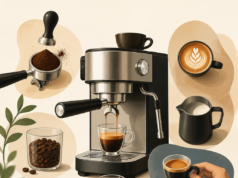
- Espresso machine: Produces concentrated espresso and usually includes a steam wand for heating and texturing milk.
- Coffee grinder: A burr grinder is ideal because it creates a more even grind, helping espresso taste balanced rather than weak or bitter.
- Tamper: Used to press ground coffee evenly into an espresso machine’s portafilter.
- Milk pitcher: A small stainless-steel pitcher gives you control while steaming and pouring milk.
- Thermometer: Helpful when learning, since milk is best heated until hot but not scorched, usually around 140 to 150°F (60 to 65°C).
There are also flexible Tools for preparing Caffè Latte in kitchens without an espresso machine. A moka pot makes a bold, concentrated coffee that works particularly well. An AeroPress can produce a strong, smooth base, while a French press or regular coffee maker can be used with a smaller amount of water for a fuller-bodied brew. It will not be true espresso, but it can still make a delicious milk coffee.
For foam, a steam wand creates the silkiest texture by adding tiny air bubbles as it warms the milk. A handheld frother is inexpensive and convenient for quick drinks. Electric frothers heat and foam milk with minimal effort, while a clean French press can froth warm milk by pumping the plunger repeatedly.
A few small extras are worthwhile: a wide latte cup helps preserve warmth and makes pouring easier, a kitchen scale supports consistent coffee doses, and a clean damp cloth is essential for wiping a steam wand immediately after use. With the right basics, homemade latte making soon feels simple and enjoyable.
6. How to Prepare a Caffè Latte at Home
How to Prepare a Caffè Latte at Home
Learning How to prepare a Caffè Latte is mostly about balancing strong coffee with smooth, lightly frothed milk. Start by grinding fresh coffee beans to a fine, espresso-style consistency. Dose and tamp the grounds evenly, then pull one or two shots of espresso into a warmed latte cup. A double shot is a popular choice for a medium-sized latte, giving the milk enough coffee flavor to complement its sweetness.
Next, steam or froth your milk. Fill a chilled pitcher only about one-third full, since milk expands as air is added. With a steam wand, begin by introducing a small amount of air near the surface, then lower the wand slightly to create a gentle whirlpool. The goal is hot, silky milk with tiny bubbles, not a thick layer of stiff, dry foam. Heat it to roughly 140 to 150°F, or until the pitcher feels very warm but still comfortable to hold briefly.
If using a handheld or electric frother, warm the milk first and froth gently. A French press also works well: pump warm milk several times until it becomes smooth and lightly aerated.
A reliable starting ratio is one part espresso to three or four parts milk. For a stronger latte, use less milk or an extra espresso shot. For a milder drink, add a little more milk.
Swirl the pitcher to blend the milk and foam, then pour steadily into the espresso. Begin from a little height to mix everything, then bring the pitcher closer to the cup near the end. Finish with a thin, velvety cap of foam.
If your latte tastes weak, use fresher beans, a finer grind, or less milk. Large bubbles usually mean too much air was added, so froth more gently next time. Avoid scorched milk by keeping the temperature below 160°F. Finally, warm your cup and serve promptly to keep the drink from cooling too quickly.
7. Benefits of Caffè Latte
Benefits of Caffè Latte
One of the main benefits of Caffè Latte is its smooth, approachable character. Compared with straight espresso, a latte is gentler on the palate because steamed milk softens the coffee’s intensity. You still get the aroma and flavor of espresso, but in a creamier, more comforting drink that can be easy to enjoy slowly.
The milk also contributes more than texture. Dairy milk can provide protein, calcium and other nutrients, although the exact amount depends on the portion and type of milk you use. Whole milk gives the richest body, while lower-fat options can make a lighter latte. Fortified plant-based milks, especially oat or soy, may also offer calcium and sometimes protein, though it is worth checking the label since nutrition varies by brand.
Coffee itself may help many people feel more alert and focused when enjoyed in moderation. A morning or early-afternoon latte can be a pleasant ritual as well as a useful pick-me-up. Since a latte contains more milk than espresso, it can also feel like a more substantial drink between meals.
Another benefit of Caffè Latte is flexibility. Choose decaffeinated espresso for an evening version, or use half-caf coffee if you want less caffeine. Unsweetened milk and lower-sugar flavorings, such as cinnamon, vanilla extract or a small amount of cocoa, can add variety without making the drink overly sweet. Plant-based milk makes the drink accessible for people avoiding dairy.
Still, the best latte is one that suits your own needs. Those sensitive to caffeine may prefer a smaller size or decaf, while people watching sugar intake should be mindful of flavored syrups. Consider your dietary preferences, allergies and daily caffeine habits, then enjoy your latte as a balanced part of your routine.
8. Make the Latte Your Own
8. Make the Latte Your Own
A satisfying Caffè Latte comes down to a few simple essentials: coffee with a flavor you enjoy, milk that is heated and textured smoothly, and an espresso-to-milk ratio that matches your taste. Some people prefer a bold, coffee-forward latte made with a double shot and less milk. Others enjoy a gentler, creamier cup with more milk and a softer espresso presence. Neither approach is wrong, it is your drink.
Small changes can make each homemade latte feel new. Try different coffee beans, from chocolatey medium roasts to deeper, more intense dark roasts. Experiment with whole milk for richness, oat milk for a naturally sweet and creamy texture, or soy and almond milk for other dairy-free options. If possible, choose barista-style plant milks, which are often designed to froth more easily.
You can also adjust the serving temperature. A very hot latte may feel especially comforting on a cold morning, while slightly cooler milk can bring out more sweetness and make the drink easier to enjoy right away. Keep flavors simple at first, then add a little vanilla, cinnamon, cocoa, caramel or chocolate syrup when the mood calls for it. Start with a small amount so the coffee remains part of the experience.
Do not worry if your first few attempts are not perfect. Milk texture, pouring technique and coffee strength all become easier to judge with practice. Each cup teaches you something about what you like.
The clear takeaway is simple: use good coffee, create silky milk, and adjust every detail until your Caffè Latte feels like your own comforting everyday ritual.