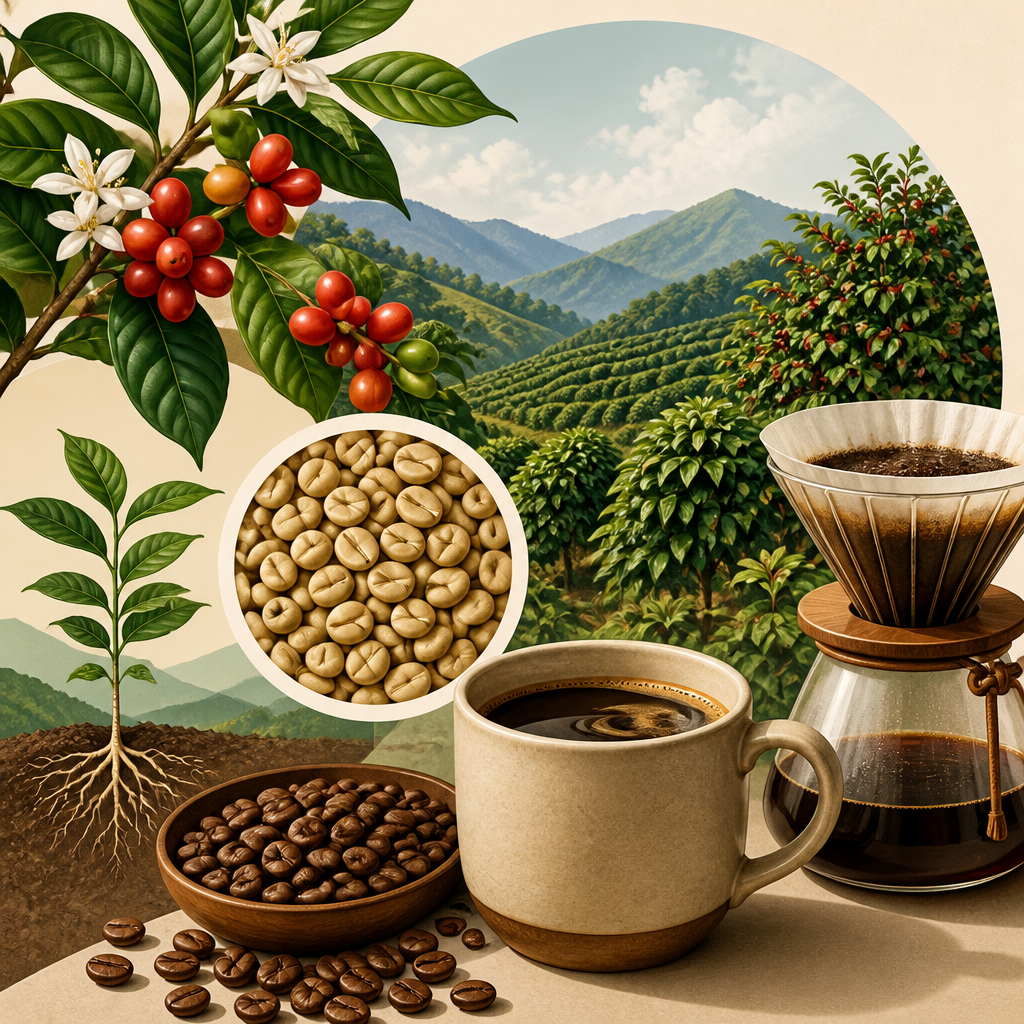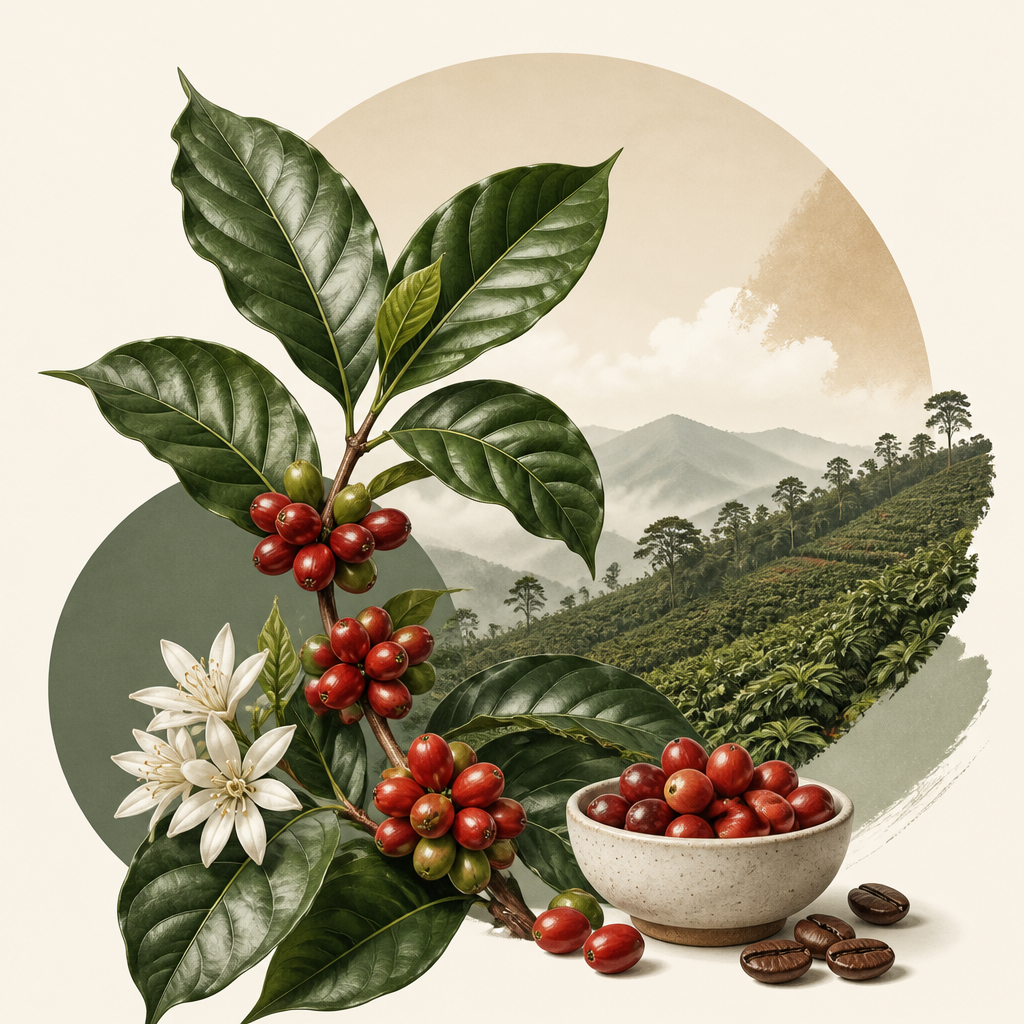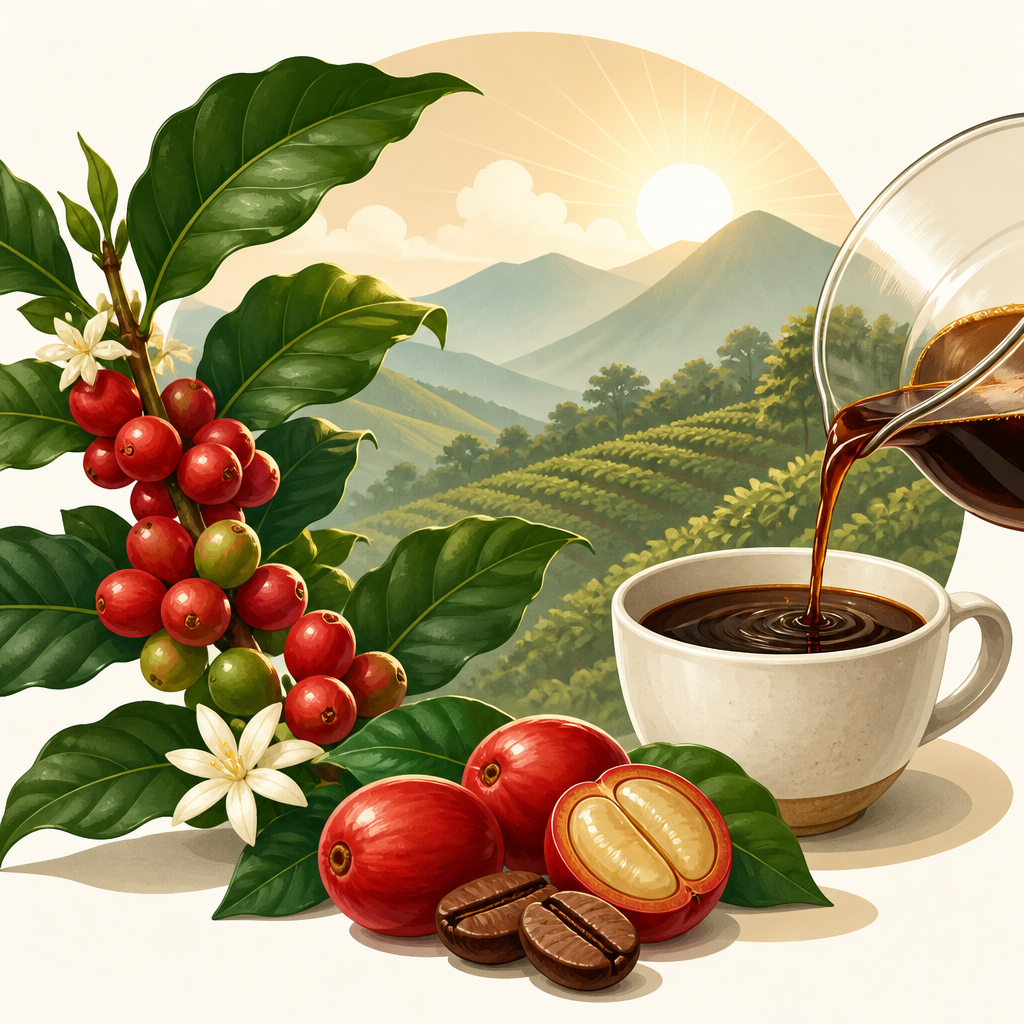

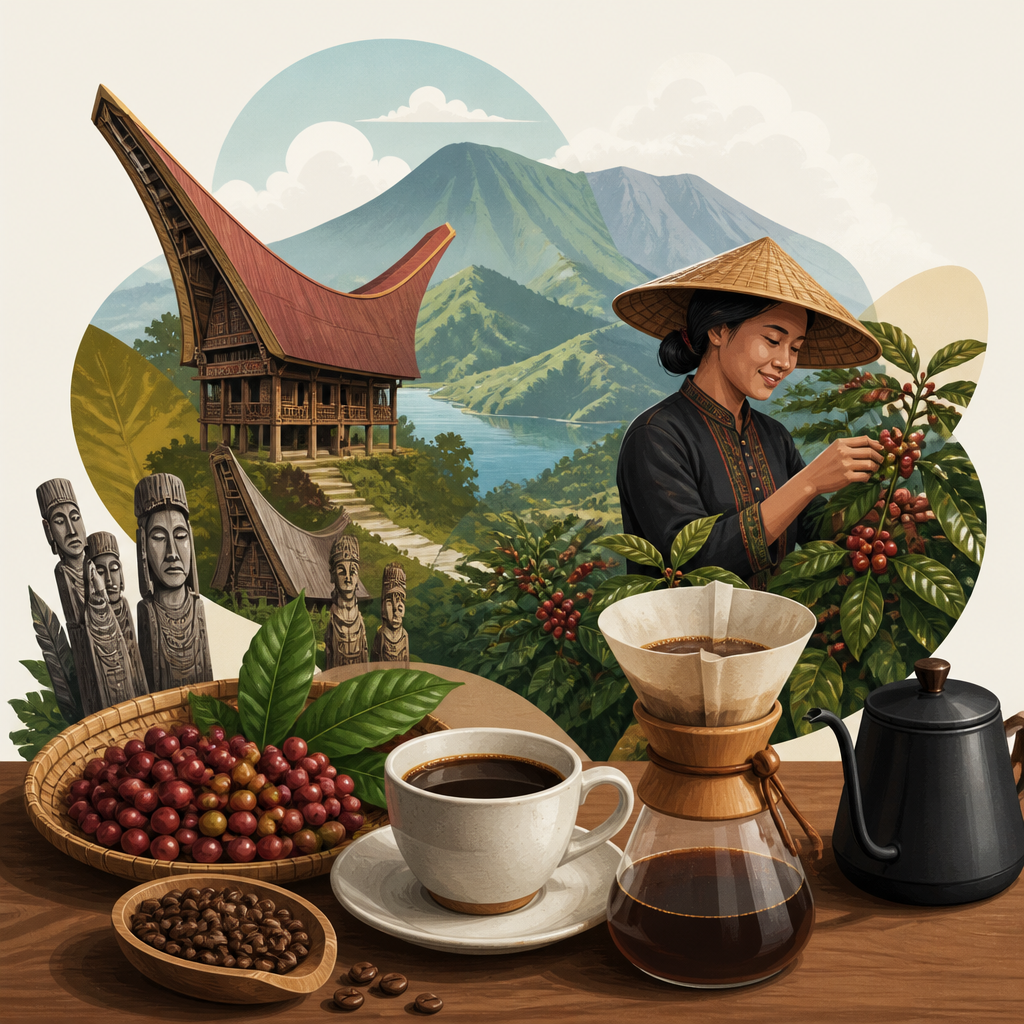
Welcome to the Highlands of Sulawesi Toraja
Welcome to the Highlands of Sulawesi Toraja
A cup of Sulawesi Toraja coffee can feel like a small journey into Indonesia’s misty mountain interior. Known as one of the country’s best-loved specialty coffees, it comes from Tana Toraja, a highland area in South Sulawesi where cool air, steep slopes and rich soils help shape beans with a memorable character.
Coffee here is more than a crop with a famous name. Many beans are grown on smallholder farms, often tended by families who work modest plots among food plants, fruit trees and shade-giving vegetation. The setting is as distinctive as the coffee itself: mornings can be cool and foggy, hillsides are intensely green, and communities maintain a strong Toraja cultural identity rooted in place, family and tradition.
Toraja coffee is commonly associated with a full, smooth body and notes that may suggest dark chocolate, earth, herbs, ripe fruit or gentle spice. Yet no two bags are exactly alike. Elevation, variety, harvest conditions, processing choices and roasting style can all change what reaches your cup. That variety is part of the appeal, whether you prefer a rich French press, a clean pour-over or a bold espresso.
In this guide, you will discover where Toraja coffee comes from, what gives it its distinctive taste and how growers cultivate and process the beans. We will also look at the potential benefits of Toraja Sulawesi coffee beans, with a sensible view of coffee’s caffeine and antioxidant content. Finally, you will find an easy answer to the question, “How to prepare Toraja coffee beans Sulawesi,” with practical brewing tips for enjoying them at home.
Every good cup begins with its origin, and Toraja’s highlands offer a remarkable place to start.
What Makes Toraja Sulawesi Coffee So Special?

What Makes Toraja Sulawesi Coffee So Special?
Toraja coffee usually means high-grown Arabica from the mountainous Toraja area of South Sulawesi. It is a regional name rather than one single, identical coffee. Farms, cooperatives and exporters may work with different Arabica varieties, elevations and post-harvest techniques, so two bags labeled Toraja can taste noticeably different. That variation is part of the appeal, especially when a roaster shares clear details about the lot’s origin and processing.
Still, many Toraja coffees have a recognizable style. Expect a full, smooth body and low to moderate acidity, often softer than the bright, citrus-led acidity found in some East African coffees. The first impression may be earthy, herbal or slightly woody, followed by notes of dark chocolate, toasted nuts and warming spice. Depending on the harvest and processing method, you may also find ripe fruit flavors, such as plum, berry or dried fruit.
The region’s environment helps shape this character. Coffee grows at high elevations, where cooler temperatures slow the development of the coffee cherry. This longer maturation period can support a denser bean and more layered flavor. Volcanic soils provide another important part of the growing environment, while regular mountain moisture and shade can help create favorable conditions for Arabica.
Careful processing is equally important. A wet-hulled Toraja lot may lean toward the coffee’s famously deep, earthy profile, while washed, natural or honey-processed lots can bring forward cleaner fruit, sweetness or floral detail. Roasting also matters: medium and medium-dark roasts often emphasize chocolate, spice and body, while lighter roasts can reveal more fruit and herbal complexity.
In short, Toraja stands out for its comforting depth, distinctive savory notes and room for surprise from one carefully sourced lot to the next.
The Landscape and Culture Behind Every Cup
The Landscape and Culture Behind Every Cup
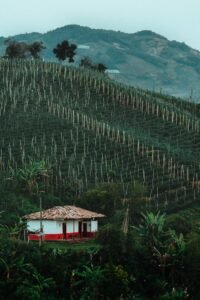
Toraja coffee begins in the cool, elevated landscapes of Tana Toraja in South Sulawesi. Mist, frequent rain and moderate temperatures shape the growing environment, while mountain slopes and fertile soils give farmers suitable conditions for high-grown Arabica. Coffee is often not planted in vast, uniform estates. Instead, it grows on small family farms, sometimes alongside vegetables, fruit trees and shade plants that help create a more diverse farm landscape.
This mixed approach can be practical as well as ecological. Families may grow food and other crops for household use or local sale, while shade trees can help protect coffee plants from intense sun. The exact farm system varies from place to place, of course, and not every Toraja coffee is grown or processed in the same way. That variation is one reason coffees from the region can taste noticeably different from one bag to another.
The landscape is also home to the living culture of the Toraja people. The region is widely recognized for tongkonan, its distinctive traditional houses with sweeping, boat-shaped roofs, as well as ceremonies, family connections and strong community life. These traditions are meaningful parts of daily life, not simply decorative details for a coffee label.
When enjoying Sulawesi Toraja coffee, it is worth seeing beyond the romantic image of misty mountains and traditional architecture. Each coffee comes from real farms, households and local supply chains that face changing weather, market prices and access to processing resources. Choosing coffee from roasters and importers that share clear information about farms, cooperatives, prices and processing can be a practical way to support more respectful sourcing.
A transparent bag of Toraja coffee cannot tell the whole story of a region, but it can help connect a good cup with the people and landscapes behind it.
Cultivation of Toraja Sulawesi Coffee Beans

Cultivation of Toraja Sulawesi Coffee Beans
The cultivation of Toraja Sulawesi coffee beans begins high in the cool mountain landscape, where Arabica varieties can ripen slowly and develop more complex sugars. Farmers select plants suited to their elevation and local conditions, then tend relatively small plots that may sit beside vegetables, fruit trees and other shade plants.
Young coffee trees need time to establish themselves. Growers manage weeds, add organic matter where available, prune branches to encourage healthy growth and regulate shade so plants receive enough light without excessive heat stress. Good shade management can also help protect soil moisture, although every farm must balance shade with airflow and disease prevention.
Coffee cherries do not all ripen at once. During harvest, families and hired pickers often return to the same trees several times, selecting only red, ripe cherries by hand. This careful picking takes labor, but it can make a real difference to cup quality. Green or overripe cherries may introduce harsher, less consistent flavors.
After harvest, processing shapes the character of the beans. Indonesia is especially associated with wet-hulled coffee, locally known as giling basah. In this method, parchment is removed while the coffee still has relatively high moisture, often contributing to the fuller body, earthy depth and low-acid impression many people associate with Toraja. Some producers also make washed lots, which can taste cleaner and brighter, as well as natural and honey-processed coffees that may bring out more fruit sweetness.
Conditions are not always easy. Changing rainfall patterns can disrupt flowering, drying and harvest schedules. Plant disease, limited access to equipment or reliable transport, and fluctuating coffee prices can all put pressure on small growers. These realities make careful farming, strong local partnerships and transparent buying practices especially important.
From Coffee Cherry to Export-Ready Bean
From Coffee Cherry to Export-Ready Bean
Once the ripe cherries have been picked, the next steps have a major influence on how Toraja coffee tastes in the cup. The fruit must be processed promptly, then the beans are dried, hulled, sorted and graded before they can travel from Sulawesi’s highlands to a roaster.
With a washed process, the cherry skin and fruit are removed first. The beans, still covered in a papery layer called parchment, are fermented and washed before drying. Natural and honey-processed lots follow different routes, with more or less fruit material left around the bean as it dries. These choices can bring out cleaner citrus-like notes, deeper fruit sweetness or a heavier body.
Indonesia is also well known for wet hulling, often called giling basah. In this method, parchment is removed while the coffee still contains more moisture than is typical in many producing countries. The exposed green beans are then dried further. This approach can help manage the humid conditions common in the region, and it is associated with the fuller body, softer acidity and earthy, herbal character many people recognize in Indonesian coffee.
After drying, coffee is hulled if needed, then carefully sorted to remove defective beans and separate lots by size, density and quality. Exporters and buyers may grade the coffee according to their own standards, but grading is only one part of the story. Processing details, freshness and traceability are just as important.
Green coffee needs cool, dry, stable storage to preserve its quality. Once it reaches a roaster, it is best roasted relatively close to when it will be brewed. When choosing a bag, look beyond the name “Toraja.” Useful details include the farm or cooperative, elevation, processing method, harvest information, roast date and importer. These clues make it easier to choose a coffee that suits your taste, while also rewarding sellers who share the journey behind the beans.
Benefits of Toraja Sulawesi Coffee Beans

Benefits of Toraja Sulawesi Coffee Beans
The benefits of Toraja Sulawesi coffee beans begin with the cup itself. Their full body, gentle to moderate acidity and layered notes of dark chocolate, earth, fruit and spice make them especially satisfying for drinkers who enjoy a coffee with presence. Depending on the farm, processing method and roast, a Toraja lot may taste deep and rustic, bright and fruity, or somewhere comfortably in between.
This versatility is a practical advantage at home. A fuller-bodied Toraja can stand up well to milk in a latte or cappuccino, where its chocolatey and nutty tones often remain noticeable. Brewed black, it can offer enough complexity to reward slower sipping, particularly in a French press, pour-over or espresso. It is a useful choice for people who want one bag of beans that can suit more than one brewing style.
Like other coffees, Toraja contains caffeine, which may help some people feel more alert and focused. Coffee also contains naturally occurring antioxidants. Still, these are general qualities of coffee, not unique medical properties of Toraja beans. Coffee is not a cure, and it should not replace medical advice, treatment or a balanced diet.
Mindful consumption matters, too. Caffeine affects people differently, so those who are sensitive to it, pregnant, managing a health condition or trying to improve sleep may wish to limit servings or avoid coffee later in the day. Pay attention to how your body responds, rather than assuming more coffee is better.
Finally, one of the most meaningful Benefits of Toraja Sulawesi coffee beans can be the opportunity to support careful farming and handling. Choosing freshly roasted beans from transparent, responsible roasters can encourage quality-focused relationships with growers, cooperatives and exporters in the Toraja highlands.
How to Prepare Toraja Coffee Beans Sulawesi Style at Home
How to Prepare Toraja Coffee Beans Sulawesi Style at Home
Wondering How to prepare Toraja coffee beans Sulawesi at home? Start simply: buy fresh whole beans, use clean filtered water and grind just before brewing with a burr grinder. Fresh grinding preserves the aromatic oils that give Toraja its deep chocolate, spice and fruit character.
A medium or medium-dark roast is an easy starting point. It tends to emphasize the coffee’s full body, mellow acidity and earthy richness. If you prefer brighter cups, try a lighter roast, which may bring out ripe fruit, gentle floral notes and a little more sparkle.
For most methods, use about 1 gram of coffee for every 15 to 17 grams of water. For example, 20 grams of coffee pairs well with 300 to 340 grams of water. Adjust from there to suit your taste.
- French press: Use a coarse grind and steep for about four minutes. This method highlights Toraja’s weighty body and earthy, herbal tones.
- Pour-over: Choose a medium grind for a cleaner, more detailed cup. It can reveal dark chocolate, fruit and warming spice notes.
- Espresso: Use a fine grind and dial in your machine for a concentrated, syrupy coffee that holds up beautifully in milk drinks.
- Simple immersion brewing: Combine coffee and hot water in a cup or pot, steep for several minutes, then carefully pour off the liquid. It is an unfussy way to enjoy the coffee’s richness.
If the cup tastes sour or thin, grind a little finer or brew longer. If it tastes bitter or harsh, use a coarser grind or shorten the brew. Taste it black before adding milk or sugar so you can recognize its natural profile.
Toraja coffee pairs especially well with dark chocolate, toasted nuts, banana bread and lightly spiced breakfast dishes.
A Meaningful Cup of Sulawesi Toraja Coffee
A Meaningful Cup of Sulawesi Toraja Coffee
A cup of Sulawesi Toraja coffee is memorable not simply because it is rich and full-bodied, but because its character reflects a particular place. The cool, misty highlands of Tana Toraja, volcanic soils, small family farms and hands-on harvesting all shape the beans long before they reach a roaster. Processing traditions, including Indonesia’s well-known wet-hulled method, can add the earthy depth, soft acidity and warming spice that many coffee drinkers associate with Toraja.
At the same time, there is no single Toraja flavor. A washed lot may taste cleaner, brighter and more fruit-forward, while a wet-hulled coffee may lean toward cocoa, herbs and savory earthiness. Natural and honey-processed coffees can bring more sweetness and ripe-fruit character. Roast level matters too: medium roasts often show complexity and balance, while medium-dark roasts can emphasize chocolatey richness and a heavier body.
Trying more than one bag, roast or brew method is the best way to find your preferred style. Make a French press when you want a comforting, substantial cup. Choose pour-over for more detail and clarity, or pull an espresso when you are after a concentrated, syrupy drink. Small adjustments to grind size, water temperature and brew time can reveal a different side of the same beans.
The clearest takeaway is simple: choose freshly roasted Toraja coffee from a transparent seller, ideally one that shares details about the farm or cooperative, elevation and processing method. Brew it with clean water and a little care, then slow down long enough to enjoy the flavor and the real highland story behind every cup.