
1. Meet Robusta: The Bold Coffee Behind Your Cup
Meet Robusta: The Bold Coffee Behind Your Cup
If your coffee feels especially strong, dark, or satisfyingly intense, there is a good chance Robusta played a role. Robusta coffee, formally known as Coffea canephora, is one of the world’s two main commercial coffee species, alongside the better-known Arabica.
For years, Robusta was often treated as Arabica’s cheaper, harsher cousin. That picture is incomplete. While lower-quality Robusta can taste rough or overly bitter, carefully grown and roasted beans can deliver a deeply appealing cup with notes of dark chocolate, toasted nuts, earth, and spice. It is a coffee with personality, especially for people who enjoy a fuller-bodied brew.
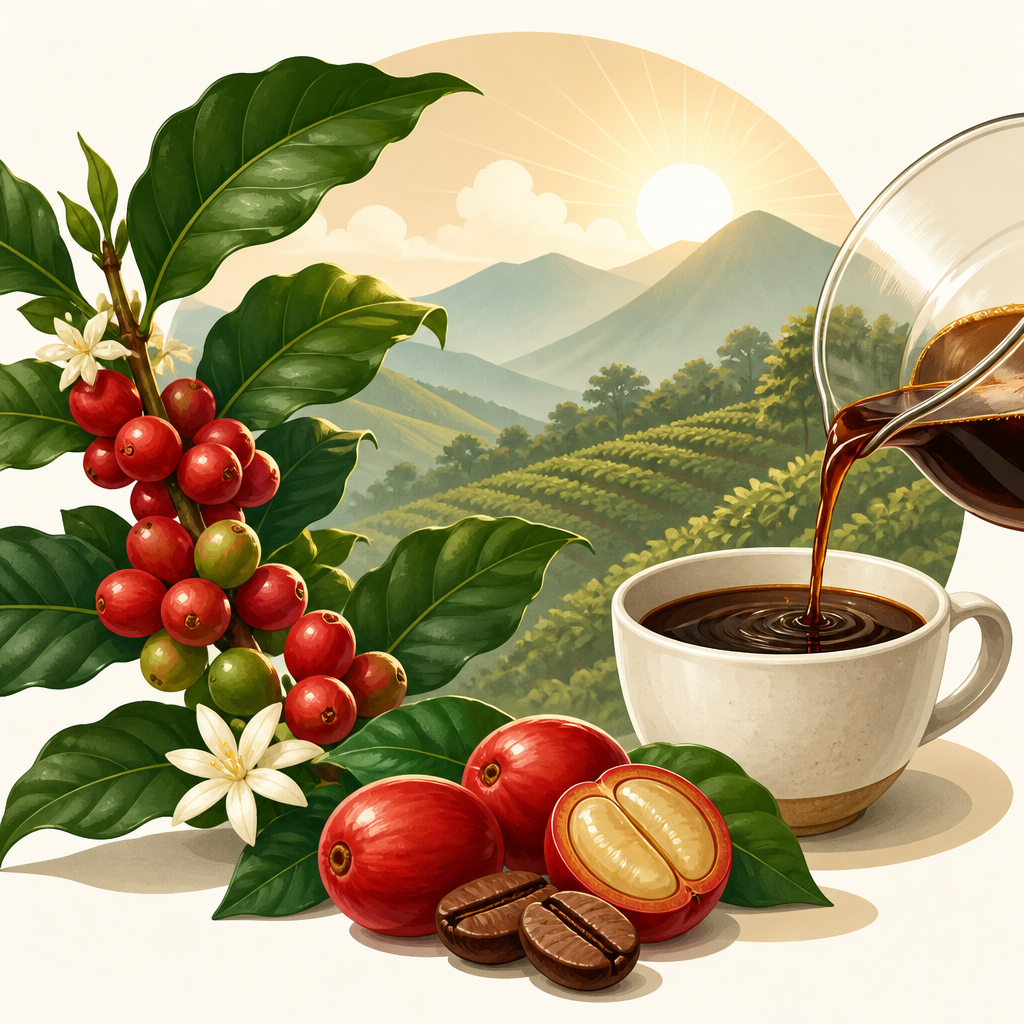
Robusta is best known for three things: bold flavor, high caffeine, and excellent crema. Compared with Arabica, it typically contains considerably more caffeine, which contributes to its naturally bitter edge and more stimulating effect. Its composition also helps create the thick, long-lasting golden crema that many people love on an espresso. That is why Robusta is a familiar ingredient in espresso blends, instant coffee, Vietnamese-style coffee, and other strong preparations around the world.
There is more to this bean than what happens in the cup. The cultivation of Robusta coffee beans is closely tied to its hardy nature. The plant thrives in hot, humid climates and is generally more resilient against pests and disease than Arabica, making it an important crop for many coffee-growing communities.
In the sections ahead, you will explore what gives Robusta its distinctive taste, how it is grown and processed, and how roast level changes its character. You will also find practical advice on how to prepare Robusta coffee beans at home, plus a balanced look at the potential benefits of Robusta coffee beans, caffeine considerations, and smart buying and storage tips.
2. What Makes Robusta Different From Arabica?
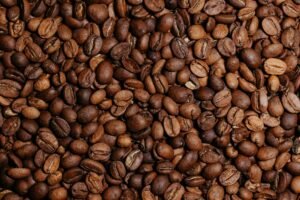
Robusta and Arabica are the two most widely traded coffee species, but they bring very different personalities to the cup. Arabica is often known for its lighter body, brighter acidity, and flavors that may suggest fruit, flowers, caramel, or sugar. Robusta, by contrast, tends to be bolder, fuller-bodied, and more direct.
The plants differ just as much as the beans. Arabica generally prefers cooler temperatures, higher elevations, and careful growing conditions. It can be more vulnerable to pests, disease, and heat. Robusta is a tougher plant. It thrives in warmer, lower-elevation tropical areas and handles heat, humidity, pests, and diseases more reliably. This hardiness helps farmers produce dependable crops in regions where Arabica may struggle.
Robusta also usually contains considerably more caffeine than Arabica. Caffeine is one reason its flavor can seem stronger or more bitter, although it also helps protect the coffee plant naturally from insects. In the cup, a good Robusta often offers earthy, nutty, woody notes, along with dark chocolate, roasted grain, and a satisfying bitterness. Its texture can feel dense and creamy, especially in espresso.
Of course, “Robusta” does not describe one single flavor quality. Growing region, processing method, bean sorting, and roasting all make a major difference. Poorly handled Robusta can taste harsh, rubbery, or overly bitter, which has shaped some old assumptions about the species.
Well-grown, carefully processed specialty-grade Robusta can be surprisingly refined. It may have clean cocoa notes, toasted nuts, gentle spice, and a balanced bitterness rather than a rough edge. For coffee drinkers who enjoy intense flavor, a quality Robusta can be every bit as interesting as Arabica, just in a different style.
3. Cultivation of Robusta Coffee Beans: From Tropical Plant to Harvest
Cultivation of Robusta Coffee Beans: From Tropical Plant to Harvest
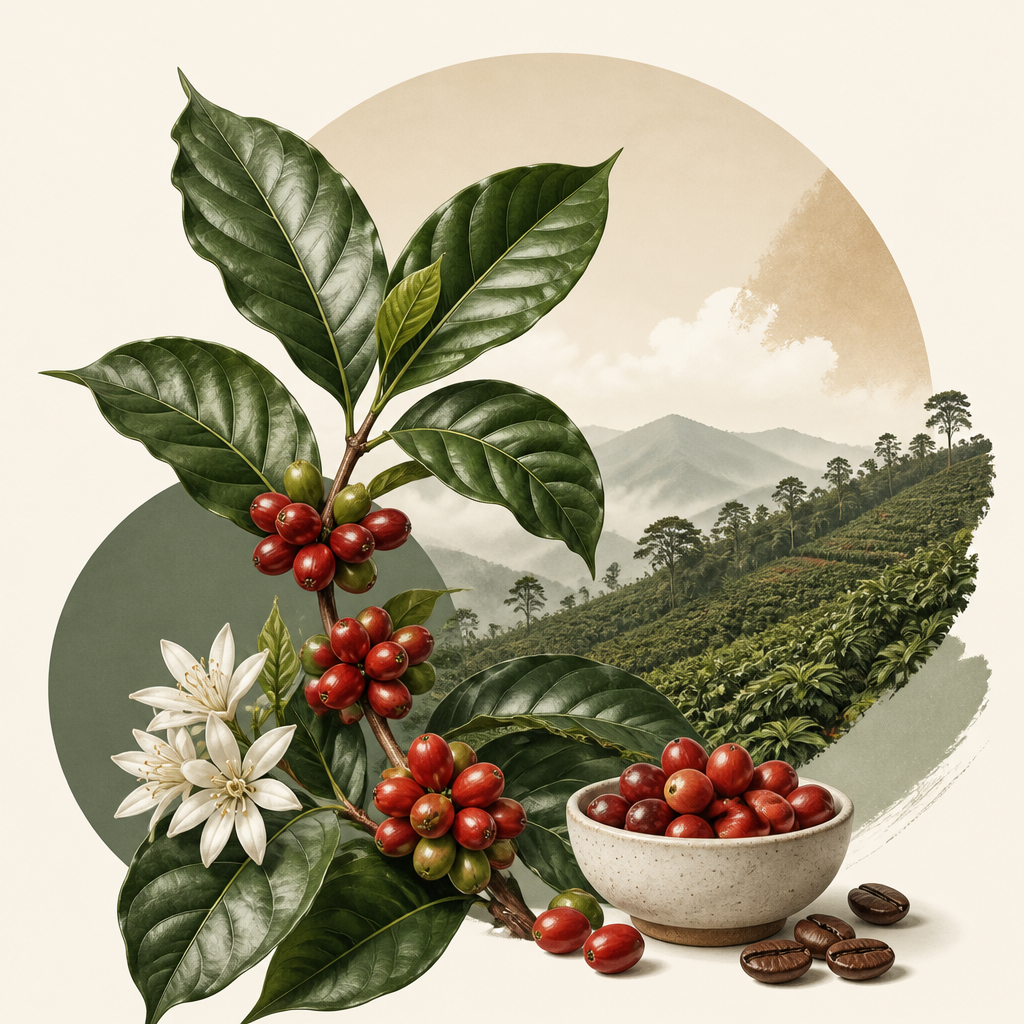
The cultivation of Robusta coffee beans begins in warm, humid parts of the world. Robusta, or Coffea canephora, thrives in lowland tropical regions where temperatures are consistently warm, rainfall is dependable, and humidity is high. It generally grows well at lower elevations than Arabica, often from sea level up to about 800 meters.
This is a naturally tough coffee plant. Robusta handles heat better than Arabica and has a stronger natural resistance to several pests and diseases, partly because its beans and leaves contain more caffeine. These qualities can make the crop productive for farmers, especially in climates that are challenging for more delicate coffee varieties. That said, good farming practices still matter greatly for flavor, yield, and long-term plant health.
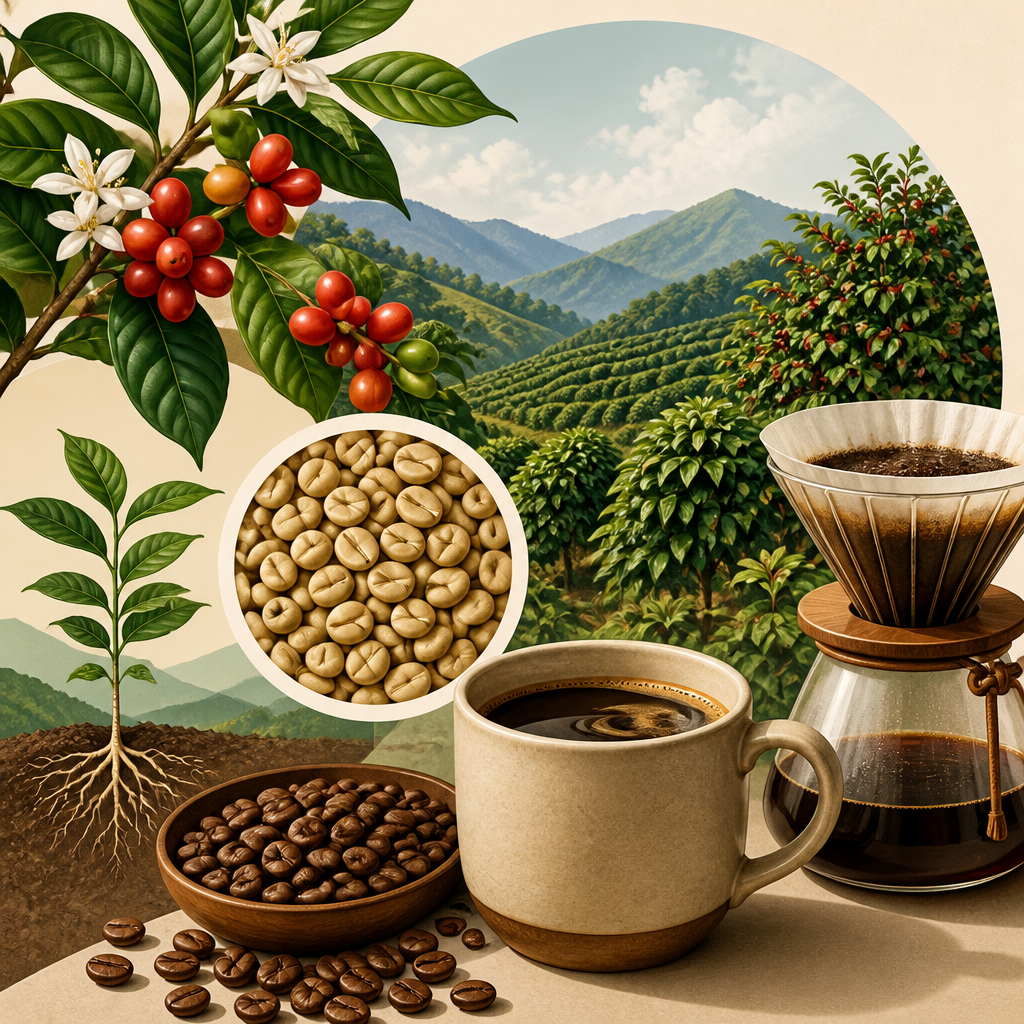
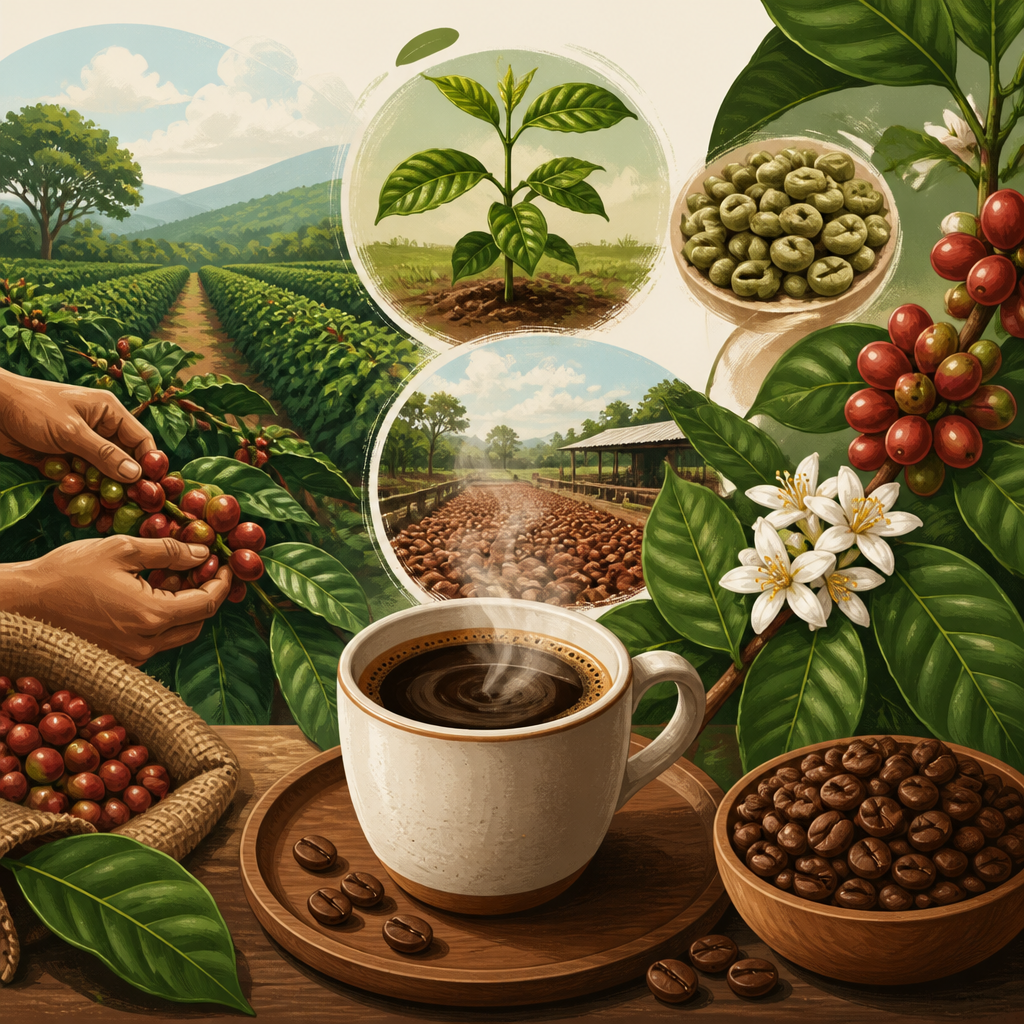
Farmers usually begin by raising young coffee seedlings in nurseries before transplanting them into fields. Once established, the shrubs produce small, fragrant white flowers, often after rainfall. These flowers develop into coffee cherries, which slowly ripen over several months from green to red, or occasionally yellow, depending on the variety.
Harvesting may be done by hand, with workers selecting ripe cherries, or by stripping cherries from branches for faster collection. After harvest, the fruit must be processed promptly. Cherries may be dried whole in a natural process, or the outer fruit may be removed before drying. The beans are then dried to a stable moisture level, hulled, graded, and sorted to remove defects before export or roasting.
Vietnam is the world’s leading Robusta producer, while Brazil, Uganda, Indonesia, and India are also important sources. Each growing region can bring its own character to the cup, from earthy and full-bodied to nutty, cocoa-like, or gently spicy.
4. Inside the Bean: Caffeine, Crema, and Flavor
Inside the Bean: Caffeine, Crema, and Flavor
One reason Robusta feels so bold is its naturally high caffeine content. Robusta beans generally contain about twice as much caffeine as Arabica beans, although the exact amount varies by origin, variety, roast, and preparation method. Caffeine is one of the plant’s natural defenses against insects, and it also gives your cup its familiar stimulating effect. For many coffee drinkers, that can mean a welcome boost in alertness, focus, or morning energy.
That extra caffeine also contributes to Robusta’s more noticeable bitterness. Bitterness is not automatically a flaw, though. In a well-grown and carefully roasted Robusta, it can be part of a satisfying profile, especially alongside dark chocolate, roasted nuts, woodsy notes, or a rich, earthy body. Poor-quality beans or overly dark roasting can make the bitterness harsh, so sourcing and roasting matter.
Robusta is also valued for its relatively high level of soluble solids, the compounds that dissolve into water during brewing. In espresso, these solids help create a thick, dense crema, the golden-brown foam that sits on top of a freshly pulled shot. Robusta crema is often longer-lasting and more abundant than Arabica crema, which is why many traditional espresso blends include a portion of Robusta.
Roast level has a major effect on the final flavor. Light-roasted Robusta can taste sharp, grainy, and intensely earthy, with a firmer bitterness. Medium roasts often soften those edges and bring out nutty, toasted, and dark chocolate-like notes. With a dark roast, the cup usually becomes fuller, smokier, and more cocoa-forward, making it especially well suited to espresso, moka pot coffee, and milk-based drinks.
5. How to Prepare Robusta Coffee Beans at Home

How to Prepare Robusta Coffee Beans at Home
Learning How to prepare Robusta coffee beans begins with a few simple basics: fresh whole beans, an adjustable burr grinder, clean filtered water, and a brewing method that matches the kind of cup you enjoy. Buy beans with a recent roast date when possible, then grind just before brewing to preserve their bold aroma and flavor.
For most filter-style methods, start with a ratio of about 1 gram of coffee for every 15 to 17 grams of water. That is roughly 30 grams of ground coffee for 500 ml of water. Robusta can be intense, so beginning a little lighter than your usual coffee recipe is perfectly reasonable. Change only one thing at a time, such as the grind size, coffee dose, or brewing time, until the cup suits you.
For espresso, use a fine grind and aim for a short, concentrated shot. Robusta produces a dense, lasting crema and stands up well in cappuccinos and lattes. A moka pot is another natural match: fill the basket loosely with medium-fine coffee, do not tamp it down, and brew over low to medium heat to avoid a harsh taste.
Use a coarse grind for French press coffee and steep for around four minutes before plunging. For pour-over, choose a medium grind and pour steadily, using water slightly below boiling, around 88 to 93°C. Lower water temperatures can help control Robusta’s bitterness. Cold brew is especially forgiving: combine coarse grounds and cold water, steep in the fridge for 12 to 18 hours, then strain for a smooth, strong concentrate.
If straight Robusta tastes too forceful, try blending it with Arabica. Even a 20 to 40 percent Robusta addition can bring extra body, crema, and energy while keeping the flavor balanced.
6. Benefits of Robusta Coffee Beans
Benefits of Robusta Coffee Beans
One of the clearest benefits of Robusta coffee beans is their naturally higher caffeine content. Compared with Arabica, Robusta usually delivers a stronger caffeine lift, which can help many adults feel more awake, focused, and ready to tackle a busy morning. That extra caffeine also contributes to Robusta’s bold taste and pleasantly bitter edge.
Robusta coffee also contains naturally occurring antioxidant compounds, including chlorogenic acids. Antioxidants are widely studied for their role in helping the body manage oxidative stress, although coffee is only one part of an overall balanced diet and healthy lifestyle. Enjoying coffee in moderation may support concentration and, for some people, physical performance before exercise. Still, it is best to think of Robusta as a useful daily beverage rather than a health cure.
Another practical benefit is its role in espresso blends. A relatively small portion of Robusta can make an espresso feel fuller and more intense, while creating the thick, long-lasting crema many coffee drinkers enjoy. This is why blends containing 10 to 30 percent Robusta are common in traditional Italian-style espresso. The bean adds body and punch without needing to use a larger dose of coffee.
Caffeine affects everyone differently. Some people can enjoy a strong Robusta espresso late in the day, while others may feel jittery, anxious, or have trouble sleeping after even one cup. People who are pregnant, managing certain health conditions, or sensitive to caffeine may need to limit their intake and seek personalized guidance from a healthcare professional.
Used thoughtfully, Robusta can be a flavorful way to add energy, depth, and satisfying crema to your coffee routine.
7. Choosing, Storing, and Enjoying Better Robusta
Choosing, Storing, and Enjoying Better Robusta
A good Robusta is worth seeking out, especially if your only experience has been a harsh, overly bitter cup. Start by checking the roast date. Coffee is usually at its most flavorful within a few weeks of roasting, although properly stored beans can remain enjoyable for longer. Choose whole beans when possible, since grinding just before brewing helps preserve aroma and flavor.
Look for packaging that names the country, region, farm, or cooperative behind the coffee. Helpful tasting notes go beyond simply calling it “strong.” Words such as dark chocolate, toasted nuts, molasses, spice, cedar, earthy, or dried fruit can offer a clearer idea of what to expect. A well-sourced Robusta may be bold, but it should still taste clean and balanced rather than burnt or stale.
Try both single-origin Robusta and Arabica-Robusta blends. A single-origin coffee lets you explore the character of beans from places such as Vietnam, Uganda, India, or Indonesia. Blends can be an easy introduction, with Arabica adding sweetness and brightness while Robusta contributes body, intensity, and a generous espresso crema.
Store your beans in an airtight, opaque container in a cool cupboard. Keep them away from heat, sunlight, moisture, and strong-smelling foods. Avoid storing beans in the refrigerator, where condensation and food odors can affect them. Buying smaller amounts more often is usually better than stocking up for months.
Robusta shines in milk-based espresso drinks, where its rich flavor holds up well to steamed milk. It also makes a satisfying iced coffee, especially with a little milk or condensed milk. For a Vietnamese-style coffee, brew it slowly through a metal phin filter and serve it over ice with sweetened condensed milk. Its cocoa-like notes also pair beautifully with dark chocolate, brownies, nutty pastries, and chocolatey breakfast treats.
8. Robusta Coffee Is Worth a Fresh Look

Robusta Coffee Is Worth a Fresh Look
Robusta is often described as the budget-friendly alternative to Arabica, but that old reputation misses much of what it can offer. A well-grown, carefully processed Robusta is a distinctive coffee in its own right: bold, full-bodied, naturally intense, and capable of showing notes of cocoa, roasted nuts, earth, spice, and dark chocolate.
Its practical strengths matter, too. The Robusta plant handles warm conditions, pests, and disease more reliably than many Arabica varieties, helping growers produce coffee in challenging tropical environments. In the cup, its higher caffeine content, substantial body, and ability to create a thick crema make it especially valuable for espresso and milk-based drinks.
The best way to judge Robusta is to try it with an open mind. Look for beans with a clear origin, a recent roast date, and tasting notes that sound appealing to you. A medium or medium-dark roast can be an easy starting point, especially if you enjoy chocolatey, nutty flavors. If a straight Robusta feels too strong at first, try an Arabica-Robusta blend, or soften it with milk, ice, or a slightly gentler brewing temperature.
Small adjustments can make a big difference. Change the grind size, shorten the brew time, or reduce the dose if bitterness is overwhelming. For a more powerful cup, use a moka pot or espresso machine. For a smoother, less sharp result, cold brew or French press preparation may suit your taste better.
The clear takeaway is simple: Robusta is not merely a cheap substitute. Explore different origins, roast profiles, and blends, and you may find that this bold coffee earns a regular place in your routine.